
How To
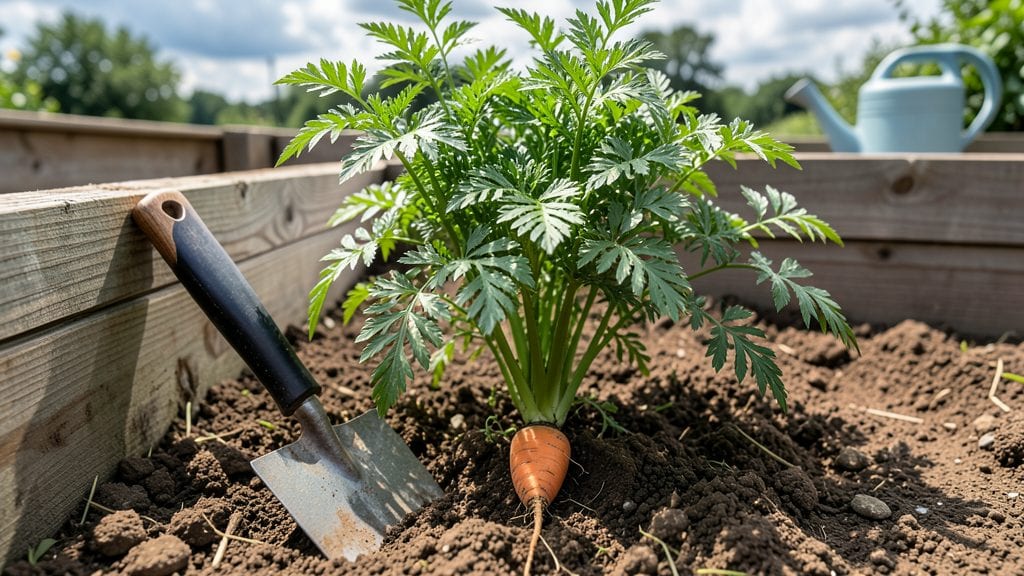
A carrot planting calendar 🥕 is your secret weapon for avoiding the heartbreak of forked roots or bitter harvests—because timing isn’t just about the season, it’s about the soil, the sun, and even your local frost dates.
Timing your carrot planting perfectly can mean the difference between a bountiful harvest and struggling with stunted roots—here’s how to master the month-by-month secrets for success.
In USDA Zone 6a, where I’ve spent years perfecting this, the magic happens in two windows: March-April for spring carrots and August-September for fall. But the real trick? Soil prep that changes with each season, from loosening clay in spring to adding compost in summer.
Below, I’ll walk you through the exact planting schedule, spacing secrets, and soil tweaks that’ll turn your garden into a carrot goldmine—no guesswork, just results.
Best months to plant carrots by climate Zone (USDA guide)
Carrots thrive in cool-season conditions but can struggle in extreme heat or frost, making timing everything. The USDA climate zones help narrow down your planting window—whether you're in Zone 3 (frigid winters) or Zone 10 (mild winters).
I’ve grown carrots in both extremes, and the difference in yield is night-and-day when you follow the right schedule.
Most gardeners aim for two harvests per year: one in early summer and another in fall. The key is avoiding bolting (premature flowering) from heat stress or frost damage to tender seedlings.
Below, I’ve broken down the best planting months by zone, including succession planting tips to stretch your harvest.
🌱
| USDA Zone | Cool-Season Planting Window | Warm-Season Planting Window | Frost-Sensitive Varieties | Succession Planting Tip |
|---|---|---|---|---|
| Zones 3-5 | March–April (after last frost) | July–August (for fall harvest) | 'Danvers Half Long', 'Nantes' | Sow every 2 weeks until June 15 |
| Zones 6-7 | February–March (early) or August (late) | June–July (shade cloth if hot) | 'Paris Market', 'Rainbow' | Plant 3x/season for continuous harvest |
| Zones 8-9 | September–October (fall) or January (winter) | April–May (spring) or August–September (fall) | 'Bolero', 'Solar Yellow' | Avoid summer heat; use drip irrigation |
| Zones 10-11 | September–November (cool months) | March–April (spring) | 'Rainbow', 'Cosmic Purple' | Plant monthly for year-round harvests |
If you’re in Zones 3-5, focus on early spring and late summer plantings to dodge harsh winters. I’ve seen carrots bolt in Zone 5 when planted in May—the soil stayed too warm, and the roots turned bitter.
For Zones 6-7, stagger plantings every 2 weeks to avoid gaps in your harvest.
In warmer zones (8-11), the game changes. Carrots here need shade cloth during summer months to prevent bolting. I once grew 'Bolero' in Zone 9 without shade, and the tops flowered before the roots matured. Always check your local last frost date—it’s your golden rule for timing.
For succession planting, aim to harvest before bolting starts. In Zone 6, that’s usually by mid-July. Use short-day varieties like 'Paris Market' for fall, as they mature faster in cooler temps.
Longer varieties like 'Chantenay' need 80+ days, so plant them 8 weeks before your first frost.
🌿
Pro tip: Mark your calendar for two critical dates—your average last frost (plant 2-3 weeks after) and your first frost (harvest 4-6 weeks before). I’ve used these dates for years, and they’ve saved me from losing entire crops to unexpected freezes.
Pair this with row covers in early spring or late fall for extra protection.
Don’t overlook soil temperature—carrots need 50–85°F soil to germinate. Use a soil thermometer if your zone is borderline. In Zone 7, I’ve seen seeds rot when planted in cold, wet soil in March. Wait until the soil warms to 60°F for reliable germination.
✂️
Soil preparation & spacing secrets for each planting month
Carrots thrive when planted in the right conditions, but their success hinges on month-specific soil prep and proper spacing. Skipping these steps often leads to forked roots or stunted growth—don’t let that happen!
Each planting window demands unique care, from loosening clay in spring to adding compost in fall. I’ll break down the essential techniques for every month to ensure your carrots grow straight and plump.
First, let’s tackle the biggest mistakes gardeners make: rocky soil that causes forking and overcrowding that stunts roots. The solution? Deep tilling and thinning seedlings at the right time.
I’ll show you how to adjust your approach based on your climate zone and the season’s challenges, so you can avoid these common pitfalls and enjoy a perfect harvest.
🌱 Month-by-Month Soil Prep & Spacing Guide
- February: Loosen soil to 12 inches deep. Add compost to improve drainage. Space seeds 1/4 inch apart in rows 12 inches apart.
- March: Test soil pH (aim for 6.0-7.0). Thin seedlings to 2-3 inches apart once they sprout. Mulch to retain moisture.
- April: Avoid heavy clay—amend with sand if needed. Plant in full sun and keep soil consistently moist.
- May: Succession plant every 2 weeks. Use raised beds for rocky soil to prevent forking.
- August: Add aged compost before planting. Thin seedlings to 3-4 inches apart for fall harvest.
- September: Cover soil with straw to protect from frost. Space seeds 1/2 inch apart for slower growth.
- October: Harvest before frost. Rotate crops to avoid soil depletion next season.
For rocky soil, consider growing short varieties like ‘Paris Market’ or using raised beds filled with sandy loam. These methods prevent roots from twisting around obstacles. If you’re planting in clay-heavy soil, mix in coarse sand or peat moss to improve drainage—carrots hate soggy conditions!
Spacing is just as critical as soil prep. Overcrowded seedlings compete for nutrients, leading to small, misshapen roots. Aim for 2-3 inches apart for most varieties, but 4-6 inches if you’re growing long, standard types like ‘Danvers’.
Always thin seedlings when they’re 2 inches tall—this reduces stress on the plants and gives them room to grow.
Don’t forget to rotate your planting locations each year. Carrots are susceptible to pests like carrot rust flies and diseases if grown in the same spot repeatedly. Pair them with onions or leeks to naturally deter pests—this companion planting trick works wonders!
Finally, mulch heavily after planting to lock in moisture and suppress weeds. A 2-inch layer of straw or grass clippings keeps the soil cool and prevents crusting, which can smother young seedlings. With these month-specific secrets, you’ll be harvesting straight, sweet carrots all season long. 🥕