
Planting
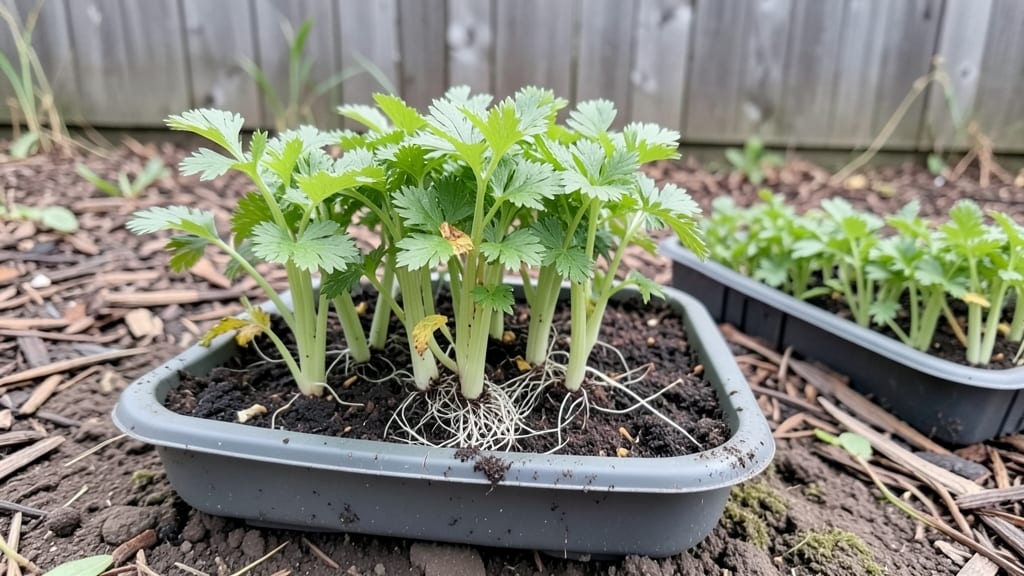
Here are celery planting tips to turn your gamble into a harvest—master the soil secrets that transform spindly seedlings into thick, crunchy stalks. 🌱 The key isn’t just patience; it’s recreating the damp, nutrient-rich conditions celery craves.
I've learned the hard way that dry soil means weak stems, but with the right mix and watering routine, you'll get plants that rival store-bought in just 12 weeks.
Start with a loose, well-draining soil mix that holds moisture without turning to mud—think 60% potting soil, 30% compost, and 10% perlite. Plant seeds just ¼ inch deep, 12 inches apart in rows spaced 18 inches apart, and keep the soil consistently damp (not soggy) until germination.
Celery thrives in full sun but needs shade in hot afternoons to prevent bolting, so a spot with morning light and afternoon protection is ideal.
📚 In This Guide
- What you need
- Instructions
- Tips and common mistakes
- Wrapping up and next steps
What you need
- ● Celery seeds or transplants: Choose Apium graveolens seeds (organic preferred) or healthy nursery starts. For seeds, plan for 2–4 seeds per planting spot (thin later). For transplants, 1 per pot or 12–18 inches apart in the garden.
- ● Well-draining potting mix or garden soil: 5–10 gallons (or enough to fill containers 6+ inches deep). Mix in 20–30% compost or aged manure for fertility.
- ● Container or garden bed: Containers: 5–7 gallon pots (minimum) with drainage holes. Use black or dark-colored pots to retain heat.
- ● Garden bed: Full sun (6+ hours/day) with loose, fertile soil. Avoid soggy spots!
- ● Watering can or hose with a gentle spray nozzle: Celery loves moisture but hates soggy roots. Aim for 1–1.5 inches of water per week.
- ● Garden trowel or small hand shovel (for transplanting or sowing seeds).
- ● Pruning shears or scissors (to snip dead leaves or harvest stems).
- ○ pH testing kit (optional but helpful): Aim for soil pH 6.0–6.8. Adjust with lime (to raise pH) or sulfur (to lower).
- ● Mulch (straw or shredded leaves): 2–3 inches to retain moisture and suppress weeds.
- ● Plant labels & marker: Celery looks like dill or parsley—keep track of your rows!
- ● Last frost date: Start seeds 10–12 weeks before the last expected frost (or buy transplants 4–6 weeks before). Celery hates cold!
- ● Warm soil: Ideal germination temp: 70–80°F (21–27°C). Use a seedling heat mat if needed.
- ● Patience: Celery takes 100–130 days to mature. Plan ahead!
Step-by-Step instructions for planting celery like a pro
Here’s how to grow celery that rivals the store-bought kind—crisp, thick, and full of flavor.
🌱 Step 1: Prepare the Soil for Celery’s Needs
Celery thrives in rich, moist, and well-draining soil with a pH between 6.5 and 7.0. Start by tilling the top 12 inches of soil to loosen it—celery roots need room to spread without hitting compacted layers. Mix in 3 inches of compost (from your list) to boost nutrients, then work in 1 cup of 10-10-10 fertilizer (from your list) per 4 square feet of bed. This ensures steady growth without burning delicate roots.
I know it seems like overkill, but celery hates dry soil. If your area drains poorly, add 2 inches of coarse sand (from your list) to improve aeration. The goal is soil that holds moisture like a damp sponge—not soggy, not bone-dry. Test it by squeezing a handful: it should hold shape but crumble when pressed.
💧 Step 2: Plant Celery Seeds or Starts at the Right Time
Celery is a cool-season crop, so time planting for 4-6 weeks before your last frost date or 60-80 days before the first expected frost in fall. If starting from seed (from your list), sow them ¼ inch deep in rows 12 inches apart. For transplants, space them 6-8 inches apart—crowding leads to thin, stringy stems.
Here’s the thing—celery seeds germinate best in soil temperatures between 60-70°F. If your spring soil is cooler, use a seedling heat mat (from your list) to keep it warm until sprouts appear in 10-20 days. Once seedlings have 2-3 true leaves, thin them to the strongest plant per spot. Use scissors to snip weak ones at soil level—this prevents disturbing roots.
☀️ Step 3: Keep Soil Consistently Moist for Crisp Stems
Celery’s secret to crunch? Constant moisture. Water deeply twice a week (or daily in hot weather) to keep the soil evenly damp. Use a soaker hose (from your list) to deliver water at the base—avoid overhead sprinkling, which can spread disease. The top 2 inches of soil should never dry out completely.
Mulch with 2 inches of straw (from your list) right after planting to lock in moisture and suppress weeds. This is non-negotiable: celery grown in dry soil turns tough and woody. Check soil moisture by sticking your finger 1 inch down—if it feels dry, water immediately. Overhead leaves should stay dry to prevent fungal issues.
✂️ Step 4: Fertilize and Protect for Bushy Growth
Feed celery with ½ cup of 10-10-10 fertilizer (from your list) every 4-6 weeks to encourage thick stems. Side-dress with compost (from your list) mid-season for extra nutrients. Avoid high-nitrogen fertilizers—they promote leafy growth at the expense of crisp stalks.
Celery is prone to bolting (premature flowering) in heat. If temperatures rise above 80°F, provide afternoon shade with floating row covers (from your list) or shade cloth. You’ll notice leaves yellowing or stems thickening unevenly—this is your cue to act. Harvest outer stalks first to keep the plant producing, or let it mature fully for a single big harvest.
🌿 Step 5: Harvest at Peak Crispness
Celery is ready to harvest 120-150 days after planting, when stalks are ½ inch thick and leaves are deep green. Cut the outer stalks first, leaving the inner ones to grow. For full harvests, pull the entire plant when stalks reach ¾ inch thick—this gives you a big, bushy bunch.
Store harvested celery in the fridge with the stalks submerged in 1 inch of water (change daily) to keep it crisp for up to 2 weeks. If you’re growing for regrowth, trim stalks to 2 inches above the base and keep the soil moist—the plant may produce a second, smaller harvest.
Tips & tricks for perfect celery planting
Growing celery that rivals store-bought takes a few key tricks—especially when it comes to soil and timing.
Soil Texture is Everything: In Step 1, when you're tilling that top 12 inches of soil, don't just loosen it—aim for a fluffy, almost cake-like texture. Think of it like making a perfect cake batter: you want air pockets for roots to spread. If your soil feels dense after tilling, mix in an extra 1 inch of coarse sand to improve drainage. The goal is soil that holds moisture like a damp sponge—press it gently and it should hold its shape but still crumble easily.
Timing Your Planting Pays Off: The 4-6 week window before your last frost isn't just a suggestion—it's critical for celery's development. I've learned this the hard way: planting too early in cold soil can stunt growth, while planting too late risks bolting. For spring planting, wait until soil temperatures consistently reach 60°F (use a soil thermometer to check). For fall planting, mark your calendar for 60-80 days before your first frost date—this gives celery enough time to mature before winter sets in.
Watering Wisdom for Crisp Stems: Step 3's advice about constant moisture is non-negotiable, but here's the secret: water in the morning. This gives leaves time to dry completely before evening, preventing fungal diseases. I use a simple trick to check moisture—stick your finger 1 inch down into the soil. If it feels dry, water immediately. For container-grown celery, check soil moisture daily in hot weather, as pots dry out much faster than garden beds.
Heat Protection Strategy: When temperatures creep above 80°F, your celery is screaming for shade. I've seen beautiful plants bolt in just days when left exposed to afternoon sun. Set up those floating row covers by 11 AM and remove them by 3 PM to let the plants get some morning light. If you don't have covers, try temporary shade cloth or even a simple white sheet draped over stakes—anything to keep leaves from wilting and stems from thickening unevenly.
Pro Tips for Celery Planting Tips
- Growing celery that rivals store-bought takes a few key tricks—especially when it comes to soil and timing.
- Soil Texture is Everything: In Step 1, when you're tilling that top 12 inches of soil, don't just loosen it—aim for a fluffy, almost cake-like texture.
- Timing Your Planting Pays Off: The 4-6 week window before your last frost isn't just a suggestion—it's critical for celery's development.
Frequently asked questions
Got questions about growing celery? You’re not alone!
Here are answers to the most common queries to help you cultivate crisp, flavorful stems like a pro.
When is the best time to plant celery?
Celery thrives in cool weather, so plant seeds indoors 10–12 weeks before the last frost (around February–March in most zones) or directly outdoors in early spring or late summer. Avoid planting when temps exceed 80°F—celery bolts (goes to seed) in heat. Start small batches every 2–3 weeks for a continuous harvest!
Can I grow celery in containers or small spaces?
Celery does well in 5–7 gallon containers or even deep pots (12+ inches). Use a well-draining potting mix and keep soil consistently moist. Just avoid overcrowding—space plants 6–8 inches apart for bushy growth. Perfect for balconies, patios, or urban gardens!
Why isn’t my celery growing tall or staying crisp?
Celery needs consistent moisture and shade to stay crunchy. If stems are short or limp:
- Check soil moisture: Keep it damp (not soggy) with 1–2 inches of water weekly.
- Provide partial shade: Use shade cloth (30–50%) if temps rise above 75°F.
- Fertilize lightly: Use a balanced, low-nitrogen fertilizer every 3–4 weeks.
How do I harvest celery without killing the plant?
Harvest outer stalks first, leaving the inner core intact. Use clean scissors to cut stems 1–2 inches above the base. Avoid pulling—this can damage the plant. For continuous harvests, space cuts 2–3 weeks apart. If the plant bolts (sends up flowers), it’s time to pull it and compost!
What can I plant with celery to improve growth?
Celery benefits from companion planting with:
Interplant with radishes or beets to mark rows and save space!
Wrapping up and next steps
Growing your own crisp, homegrown celery is totally doable with the right soil secrets and a little patience! 🌱 Remember, the key lies in well-draining, nutrient-rich soil, consistent moisture, and a sunny spot—plus a dash of patience for those lush, bushy stems.
Whether you’re a seasoned gardener or a beginner, these tips will set you up for success.
Now that you’re armed with the know-how, roll up your sleeves and get planting! Start small with a few seeds or seedlings, and soon you’ll be harvesting your own fresh, flavorful celery straight from your garden. Happy growing! 🌿