Picking
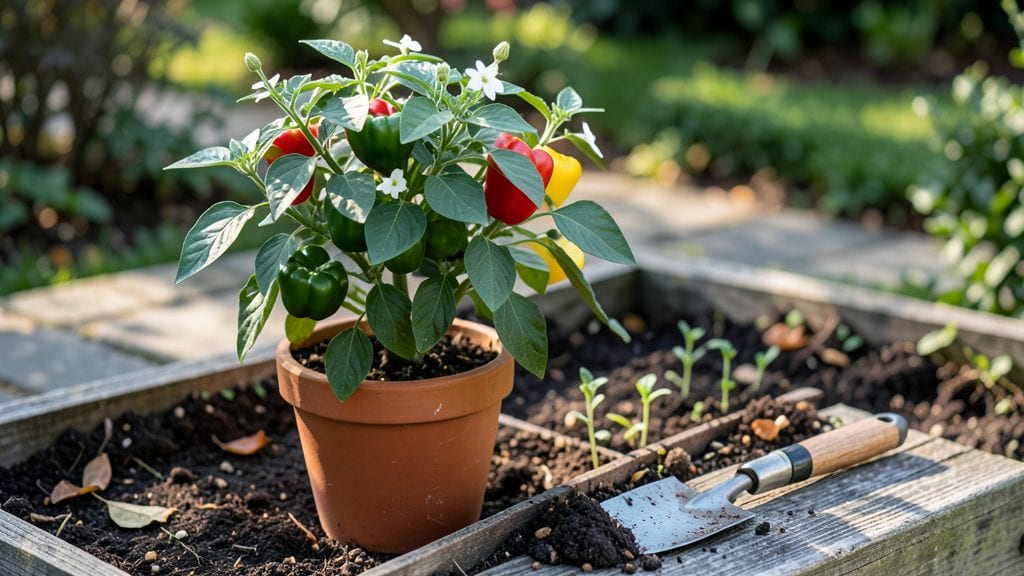
Planting peppers with these fast germination secrets means you'll see your first seedlings push through the soil in just 5-7 days—not the 2-3 weeks most beginners wait. 🌱 I learned the hard way that peppers need warmth, moisture, and patience to break dormancy, but once they start, they grow like crazy.
The key isn't just throwing seeds in dirt; it's creating the perfect microclimate they crave before they even sprout.
You'll need a warm spot (70°F or higher), moist but not soggy soil, and a little trick I picked up from hot pepper growers: covering seeds with clear plastic wrap until they sprout.
Most gardeners overlook this, but it keeps humidity high and speeds up germination without any fancy equipment. Even my black thumb finally got reliable results after trying this method.
By the time those first true leaves appear, you'll be ready to transplant them into bigger pots or straight into the garden—bold, sturdy seedlings that outpace anything from the nursery.
The payoff? A harvest of peppers that ripens faster, produces more, and stays healthier all season long. Here's exactly how to make it happen without the usual waiting game.
Whether you're starting indoors in March or direct-sowing in May, these same principles apply. The only difference is timing: indoor starts give you an earlier harvest, while direct planting saves you the trouble of transplanting. Let's get those seeds moving fast!
📚 In This Guide
- What you need
- Instructions
- Tips and common mistakes
- Wrapping up and next steps
What you need
- ● Peppers seeds or seedlings: Choose from varieties like jalapeños, bell peppers, habaneros, or cayenne. Buy 5–10 seeds per variety (or 3–5 seedlings) for a balanced harvest.
- ● High-quality potting mix: 1–2 bags (12–18 qt each) of seed-starting mix or a blend of 50% peat moss, 30% perlite, and 20% compost for drainage.
- ● Containers or garden bed: For seedlings: 4–6" deep pots (1 per seedling) or seedling trays with cells (50+ cells for bulk starts).
- ● For transplanting: 12–18" deep containers or a sunny garden bed (6+ hours of light/day) with 18–24" spacing between plants.
- ● Slow-release fertilizer: 1–2 tbsp per plant of balanced (10-10-10) or pepper-specific fertilizer (e.g., Espoma Garden-Tone).
- ● Watering can or spray bottle: With a fine mist nozzle for gentle hydration.
- ● Hand trowel or transplanting spade – For digging small holes (1–2" deep for seeds, 6–8" deep for seedlings).
- ○ Gloves – Optional but highly recommended (peppers can be spicy when handling seeds!).
- ● Plant labels & marker – Track varieties (e.g., "Jalapeño – Hot!").
- ○ Row cover or shade cloth (optional) – 30–50% shade for seedlings in hot climates (prevents stress).
- ○ Heat mat (optional) – For seedlings in cool climates (70–85°F speeds germination!).
- ● Warmth: Peppers love heat! Ideal soil temps: 70–90°F. Use a soil thermometer to check.
- ● Sunlight: 6+ hours of direct sun daily (more = sweeter/hotter peppers!).
- ● pH-balanced soil: Aim for 6.0–6.8 pH (test with a soil pH kit).
- ● Patience: Germination takes 7–21 days (some varieties are slower!).
Step-by-step instructions for planting peppers with fast germination
Here’s how to get your peppers sprouting in record time—no waiting weeks for stubborn seeds.
🌱 Step 1: Prep Seeds for Faster Germination
Peppers love warmth, so I start by soaking the seeds in lukewarm water for 12 hours—this softens the outer coating and speeds up sprouting. Place them in a small bowl or jar, then cover with a damp paper towel. Keep them in a 75-85°F spot, like on top of the fridge or near a sunny window.
Check them after 8-10 hours—if they’ve swollen slightly, they’re ready. If not, give them a few more hours. This step cuts germination time in half compared to dry planting. Real talk: Skipping this means waiting 2-3 extra days for those first green shoots.
🪴 Step 2: Fill Containers with Warm, Moist Soil
Use the seed-starting mix and fill your containers to 1 inch below the rim. Press the soil down lightly so it’s firm but not packed—peppers hate soggy roots. Warmth is key, so I microwave a cup of water, mix it into the soil, and let it sit for 10 minutes to heat up slightly. The goal is 70-75°F soil.
Peppers won’t germinate well in cold soil. If your home runs chilly, place the containers on a seedling heat mat set to 75°F. You’ll see the difference in just 3-5 days—fast germination or slow, weak starts.
💧 Step 3: Plant Seeds and Cover for Humidity
Plant seeds ½ inch deep—too shallow, and they dry out; too deep, and they struggle to reach light. Space them 1 inch apart in each cell. Cover the tray with a clear plastic dome or wrap it in plastic wrap to trap moisture. Peppers need high humidity to sprout quickly, so don’t skip this.
Place the tray in indirect light (no direct sun yet—it’ll dry out the soil too fast). Check daily for condensation on the plastic. If it’s foggy inside, you’re golden. If it’s dry, mist the soil lightly and reseal. You’ll see tiny sprouts in as little as 5-7 days—sometimes even 3-4 days if conditions are perfect.
☀️ Step 4: Move to Bright Light Immediately After Sprouting
The second those green tips appear, remove the plastic and place the tray under grow lights or in the sunniest window. Peppers need 12-14 hours of light daily to grow strong. If they stretch toward the light (leggy growth), your light source is too far away—move it within 2-3 inches of the seedlings.
Here’s the thing—peppers grow fast once they start. You’ll notice the first true leaves (not the tiny seed leaves) in 7-10 days. At this point, thin to the strongest seedling per cell, snipping the weaker ones at the base with scissors. This prevents overcrowding and gives your peppers room to thrive.
⏰ Step 5: Harden Off and Transplant Quickly
After 4-6 weeks, when seedlings have 3-4 true leaves and are 4-5 inches tall, it’s time to transplant. Start hardening them off by placing them outside in a shaded spot for 1 hour on day 1, then gradually increase time over 5-7 days until they’re out all day.
Peppers hate being root-bound, so transplant them into the garden or larger pots as soon as they’re hardened. Bury them deeper than the original soil line—peppers grow roots along their stems, so more buried stem means a stronger plant. Water deeply after transplanting, and you’ll have bold, fast-growing peppers ready for harvest in no time.
Tips & tricks for planting peppers with fast germination
Fast germination starts with these key tricks that cut waiting time in half. Let's make those pepper sprouts appear in record time!
Soaking Secret: The 12-hour soak in lukewarm water is your speed boost—this breaks the seed's dormancy cycle. Here's what I learned the hard way: use water that's warm to the touch (like bathwater), not scalding. If your seeds don't swell after 8-10 hours, they might be old—try soaking them another 2 hours. Pro move: Add a drop of mild dish soap to the water to prevent mold growth during that critical soaking period.
Heat Hack: That 75-85°F range isn't just a suggestion—it's the sweet spot for pepper germination. I keep my seed tray on top of my fridge during the day when my kitchen runs cool. For extra speed, place a heating pad on low under the tray (set to 75°F). The difference between 70°F and 85°F soil can mean 3-5 days faster sprouting. If your home stays below 65°F, consider a seedling heat mat—it's worth the investment for stubborn pepper seeds.
Humidity Trap: When you cover those planted seeds with plastic in Step 3, you're creating a mini greenhouse effect. Check for condensation daily—it should look like the inside of a foggy window. If it's dry, spritz the soil lightly with water and reseal immediately. I've seen seeds sprout in just 3-4 days when humidity stays perfect, compared to 7-10 days when it fluctuates. The key is maintaining that consistent moisture without letting the soil get soggy.
Light Transition: That move to bright light in Step 4 is critical timing. As soon as you see those green tips (usually within 5-7 days), remove the plastic and get them under lights immediately. I use a simple LED grow light on a timer for 12-14 hours daily. The first true leaves should appear in 7-10 days—if they're pale and leggy, your light source needs to be closer (within 2-3 inches). This is when peppers really start growing fast, so don't delay this step!
Pro Tips for Planting With Peppers
- Fast germination starts with these key tricks that cut waiting time in half.
- Soaking Secret: The 12-hour soak in lukewarm water is your speed boost—this breaks the seed's dormancy cycle.
- Heat Hack: That 75-85°F range isn't just a suggestion—it's the sweet spot for pepper germination.
Frequently asked questions
Got questions about planting with peppers? You’re not alone! Here are some of the most common concerns—and their quick, practical solutions to help you grow bold, flavorful peppers like a pro.
When is the best time to plant pepper seeds indoors vs. outdoors?
Start pepper seeds indoors 8–10 weeks before your last frost date (usually February–March in most climates). Peppers thrive in warmth—aim for soil temps above 60°F (15°C). Transplant seedlings outdoors only after nighttime temps stay above 55°F (13°C), typically in late spring or early summer. Pro tip: Use a heat mat for faster germination!
Why are my pepper seeds taking forever to germinate?
Peppers are slow starters—germination can take 7–21 days (or longer in cool soil). Keep seeds in 75–85°F (24–29°C) moisture (a heated propagator or sunny windowsill helps). If they still lag, check for old seeds (peppers lose viability after 1–2 years) or too-deep planting (bury seeds only ¼ inch deep). Patience pays off!
Can I plant peppers with other vegetables, or do they need their own space?
Peppers love companions! Plant them with:
- Basil (repels pests, boosts flavor)
- Marigolds (deters aphids)
- Onions/garlic (natural pest control)
What if my pepper plants get too hot or too cold?
Peppers are heat-lovers but frost-haters:
- Too hot (>90°F/32°C): Provide afternoon shade and mulch to retain moisture.
- Too cold (<50°F/10°C): Use row covers or move pots indoors temporarily. Never plant outside until soil is warm!
What’s a good alternative if my pepper seeds won’t grow?
No luck with seeds? Try:
- Transplants: Buy healthy seedlings from a nursery (choose varieties like Jalapeño, Bell, or Cayenne).
- Grafted peppers: Ideal for disease-prone areas (e.g., pepper + tomato grafts resist soil-borne issues).
- Microgreens: Grow hot pepper microgreens (like Thai basil peppers) in 1–2 weeks for quick flavor!
Wrapping up and next steps
Planting with peppers doesn’t have to be a gamble—with the right seeds, soil, and timing, you’re on your way to a fiery, flavorful harvest! 🌱 Whether you’re a first-timer or a seasoned gardener, these fast germination secrets will give your peppers the head start they deserve.
Now that you’re armed with the know-how, it’s time to roll up your sleeves and get growing!
Your next step? Pick your pepper varieties and mark your calendar—spring (or late winter in warm climates) is the perfect time to plant! Keep an eye on those seedlings, and before you know it, you’ll be reaping the rewards of your hard work. Happy planting! 🌶️✨