
Diseases
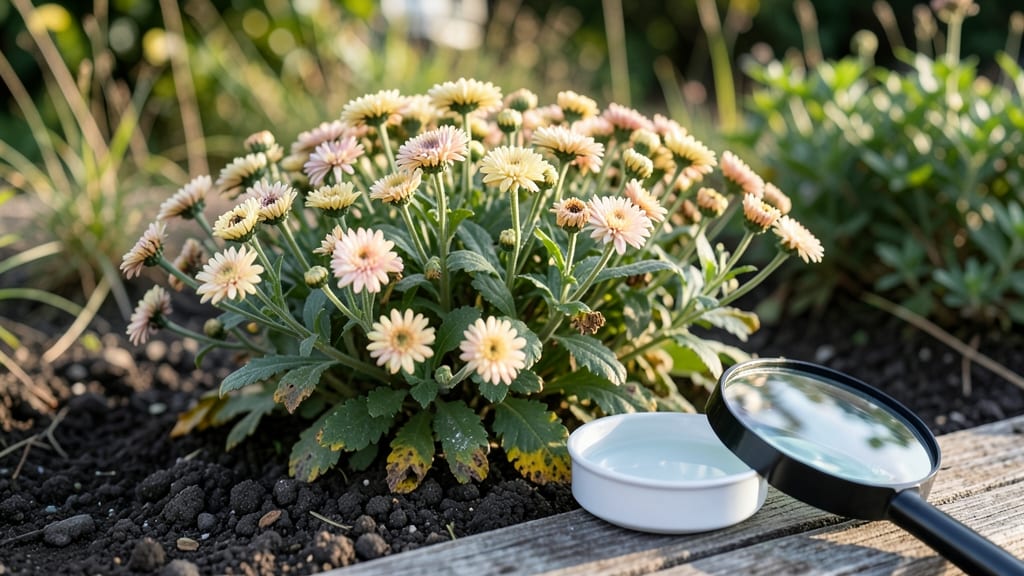
Chrysanthemum plant diseases can turn vibrant blooms into sad, spotted messes in weeks—if you don’t catch them early. 🌿 I’ve seen powdery mildew turn my favorite mums into ghostly white skeletons, and rust make leaves crumble like dry paper.
The good news? Most of these problems have simple fixes once you know what to look for.
Leaf spot, powdery mildew, and rust are the top three troublemakers, but they all start with the same warning signs: weird spots, fuzzy coatings, or leaves that look like they’ve been burned. The key is acting fast—once a disease gets a foothold, it spreads like wildfire.
My secret? A spray bottle of neem oil and a weekly check for early symptoms. It’s saved my chrysanthemums more times than I can count.
You’ll learn to spot diseases before they ruin your plants, plus organic remedies that work faster than chemical sprays. Think of it like a gardener’s first aid kit—something you’ll reach for every time your mums look a little off.
By the end, you’ll know exactly what to do when those first suspicious spots appear.
Whether you’re dealing with a single plant or a whole garden, these fixes work for both small pots and in-ground beds. The goal isn’t just to save your chrysanthemums—it’s to keep them thriving year after year, no matter what Mother Nature throws at them.
Root Causes Behind Chrysanthemum Struggles
Chrysanthemums are resilient beauties, but even the hardiest plants can fall prey to diseases when the wrong conditions align. Understanding why these issues arise is the first step to prevention. Let’s break down the key culprits—from microscopic invaders to environmental missteps—that turn lush blooms into wilted casualties.
Most chrysanthemum diseases start with an unwelcome guest: pathogens. These microscopic troublemakers exploit weak spots in your plant’s defenses, thriving in conditions that favor their spread.
- Fungal Foes: Fungi like Botrytis cinerea (gray mold) and Septoria chrysanthemi (leaf spot) love damp, stagnant air. They hitch rides on water droplets, spores, or even contaminated tools, landing on leaves and stems to feast on organic matter. 💡 Pro Tip: Fungi spread fastest in humidity above 75%—think greenhouses, crowded gardens, or post-rain mornings.
- Bacterial Bullies: Bacteria such as Xanthomonas campestris (bacterial leaf spot) sneak in through wounds (like pruning cuts) or water splashes. They multiply rapidly in warm, wet conditions (70–85°F), clogging plant vessels and causing dark, water-soaked lesions.
- Viruses (The Sneaky Saboteurs): Viruses like Tomato Spotted Wilt Virus (TSWV) rely on insect vectors (e.g., thrips) to jump from plant to plant. Once inside, they hijack the plant’s cells, stunting growth and distorting leaves. 🌡️ Warning: Viruses thrive in stressful plants—drought, poor nutrition, or overcrowding make them easy targets.
Diseases often piggyback on environmental stressors that weaken chrysanthemums, making them vulnerable to attacks. Here’s how your garden’s conditions might be setting the stage:
| Stressor | How It Weakens Plants | Disease Link |
|---|---|---|
| 💦 Overwatering/Poor Drainage | Soggy roots suffocate chrysanthemums, starving them of oxygen and inviting root rot (e.g., Phytophthora). | Fungal infections (e.g., Fusarium wilt) exploit waterlogged soil. |
| ☀️🌡️ Extreme Heat or Cold | Heat stress (above 90°F) opens stomata, letting pathogens in. Cold snaps (<40°F) shock plants, reducing resistance. | Bacterial leaf spot and powdery mildew flare up in temperature swings. |
| 🌿🔄 Overcrowding/Low Airflow | Tight spaces trap humidity and spores, while blocked airflow prevents leaves from drying. | Gray mold (Botrytis) and powdery mildew spread rapidly in these conditions. |
| 🍄🌱 Contaminated Soil/Tools | Old compost, infested mulch, or unsterilized pruners carry pathogens from past infections. | Damping-off (a fungal seedling killer) and leaf spots resurface in reused soil. |
Even the best-intentioned care can backfire. Here’s how common gardening mistakes create disease opportunities:
- Ignoring Sanitation: Skipping tool sterilization (e.g., with 70% isopropyl alcohol) or reusing pots with old soil spreads pathogens like Septoria or Alternaria leaf spots.
- Overhead Watering: Splashing water onto foliage (especially in the evening) creates a perfect petri dish for fungal spores. ✨ Fix: Use drip irrigation or water at the base.
- Neglecting Pruning Hygiene: Cutting infected stems without disinfecting shears can transfer diseases to healthy parts of the plant or nearby chrysanthemums.
- Skipping Soil Tests: Unbalanced pH (too acidic or alkaline) or nutrient deficiencies (like low phosphorus) weaken plants, making them easy prey. 📊 Test Tip: Aim for a pH of 6.0–7.0 for chrysanthemums.
Some diseases aren’t solo acts—they’re team efforts with insect accomplices. These pests don’t just damage plants; they deliver pathogens:
- Thrips: These tiny striped insects transmit Tomato Spotted Wilt Virus (TSWV) while feeding on sap. Their rasping mouthparts create wounds that bacteria and fungi exploit.
- Aphids: Clustered on new growth, they spread Xanthomonas bacteria through their honeydew, which also fosters sooty mold—a secondary fungal infection.
- Whiteflies: Their feeding weakens plants and leaves sticky residue, attracting mold spores. They also transmit Cucumber Mosaic Virus, which stunts chrysanthemum blooms.
🎯 Prevention: Use neem oil or insecticidal soap to disrupt pest lifecycles before they become disease couriers.
Fixing Chrysanthemum Ailments Fast
When your chrysanthemums start showing signs of distress—whether it’s yellowing leaves, black spots, or stunted growth—acting quickly can save your plants. Below, we map out practical fixes for the most common chrysanthemum diseases, along with prevention tips to keep your garden thriving.
Think of this as your emergency repair guide for happy, healthy blooms!
Fungal diseases like powdery mildew (white powdery coating) and leaf spot (brown/black lesions) thrive in damp, crowded conditions. Here’s how to treat and prevent them:
🔥 Treat Powdery Mildew
- Remove infected leaves 🍂: Snip off heavily affected foliage with clean pruners and dispose of it in the trash (not compost).
- Apply fungicide 🛡️: Spray with a mix of 1 tsp baking soda + 1 quart water + a few drops of dish soap (reapply every 7–10 days). For severe cases, use a copper fungicide or neem oil (follow label instructions).
- Improve airflow 🌬️: Space plants 12–18 inches apart and avoid overhead watering. Prune to open up the center of the plant.
🍳 Fix Leaf Spot
- Prune and sterilize ⏰: Cut off spotted leaves and dip pruners in rubbing alcohol between cuts to prevent spread.
- Fungicide spray 💦: Use a chlorothalonil-based fungicide (like Daconil) or a homemade solution (1 tbsp hydrogen peroxide + 1 quart water). Apply in the morning for best results.
- Water wisely 💧: Water at the base of the plant (not the leaves) and water early in the day so foliage dries quickly.
💡 Prevention Tips for Fungi
- Rotate crops 🌱: Avoid planting chrysanthemums in the same spot year after year.
- Clean up debris 🧹: Remove fallen leaves and stems to eliminate fungal spores.
- Choose resistant varieties 🌸: Opt for disease-resistant cultivars like ‘Bright Golden Anne’ or ‘Dynasity.’
Tiny pests can weaken chrysanthemums by sucking sap or chewing leaves. Here’s how to evict them for good:
👨🍳 Kick Out Aphids
- Blast them off 💦: Spray aphids with a strong stream of water to knock them loose.
- Soap spray 🧼: Mix 2 tbsp mild liquid soap + 1 quart water and spray directly on pests (reapply every 3–4 days).
- Introduce predators 🐞: Ladybugs and lacewings love aphids—buy them online or attract them with dill or fennel plants.
🥘 Stop Spider Mites
- Wipe down leaves 🧽: Use a damp cloth to remove webbing and mites from the undersides of leaves.
- Neem oil spray 🌿: Mix 1 tsp neem oil + 1 tsp mild soap + 1 quart water and spray thoroughly (repeat every 5–7 days).
- Increase humidity 🌡️: Spider mites hate humidity—mist plants or use a pebble tray under pots.
🔪 Trap Earwigs
- Roll-up traps 📜: Place corrugated cardboard near plants—earwigs hide inside during the day. Burn or drown them in soapy water.
- Diatomaceous earth 🏖️: Sprinkle food-grade DE around the base of plants (reapply after rain). It’s non-toxic but deadly to pests.
- Copper barriers 🔄: Wrap copper tape around pots or garden edges—earwigs get a mild shock and avoid crossing.
Bacterial infections (like stem rot or blackened leaves) spread fast and can kill plants. Act aggressively:
⏰ Treat Stem Rot
- Dig up and destroy 🪴: Remove the entire infected plant (including roots) and do not compost—bag it for trash pickup.
- Sterilize soil 🔥: Solarize the area by covering it with clear plastic for 4–6 weeks to kill bacteria.
- Repot in fresh soil 🌱: If saving the plant, trim healthy stems and repot in sterile potting mix with added perlite.
🎯 Cure Bacterial Leaf Spot
- Prune infected leaves ✂️: Cut off spots and sterilize pruners between cuts.
- Copper fungicide 🛡️: Spray with a copper-based bactericide (like Copper Soap) every 7–10 days.
- Avoid overhead watering 💦: Water at the soil level and remove mulch temporarily to speed drying.
✨ Prevention for Bacteria
- Rotate planting sites 🌿: Don’t replant chrysanthemums in the same spot for 2–3 years.
- Use sterile tools 🔪: Clean pruners with bleach or alcohol between plants.
- Pick resistant varieties 🌸: Choose cultivars like ‘Mediterranea’ or ‘Sahin’s Early Flowerer.’
- Boost plant health 💪: Feed with a balanced fertilizer (10-10-10) every 4–6 weeks during growing season.
- Monitor daily 👀: Check undersides of leaves and new growth for early signs of trouble.
- Quarantine new plants 🏝️: Keep newly purchased chrysanthemums separate for 2–3 weeks to spot diseases early.
With these fixes, your chrysanthemums should bounce back stronger than ever. Prevention is key—stay vigilant, and your garden will stay vibrant and disease-free!
Frequently asked questions
Why do my chrysanthemum leaves turn yellow between the veins first?
This classic symptom usually signals nutrient deficiency, often iron chlorosis (yellowing between veins) caused by poor soil drainage or alkaline soil. Check your soil pH—chrysanthemums thrive in 6.0–7.0 range. Amend with chelated iron or composted pine needles to lower pH gradually.
Can I still use chrysanthemums from my garden if they have white powdery spots?
Only if you remove all infected leaves and treat the plant first! Powdery mildew spreads via spores, so even "healthy-looking" blooms may carry it. For immediate use, harvest only the cleanest stems and quarantine the plant. Spray with neem oil or baking soda solution before replanting.
How do I tell if my chrysanthemum has a fungal or bacterial infection?
Fungal diseases (like leaf spot) show ragged brown edges with spores underneath, while bacterial spots are greasy, water-soaked with yellow halos. Check leaf undersides with a magnifying glass—fungi often leave fuzzy growth, while bacteria create slimy residue. Test with a clean cloth: fungi wipe off partially; bacteria leave stains.
Will pruning help prevent chrysanthemum diseases?
Pruning 30% of the plant in early spring improves airflow, which dries foliage faster and prevents fungal spores from settling. Always use sterilized shears (rubbing alcohol) and remove only diseased leaves—never compost them. Deadhead spent blooms too to redirect energy to new growth.
Are there chrysanthemum varieties that naturally resist diseases?
Yes! Look for disease-resistant cultivars like 'Bright Golden Anne' (powdery mildew resistant) or 'Dynasity' (leaf spot tolerant). These hybrids are bred to handle humidity and crowded conditions better. Check seed packets for resistance codes—look for "PM" (powdery mildew) or "LS" (leaf spot) ratings.