Container Gardens
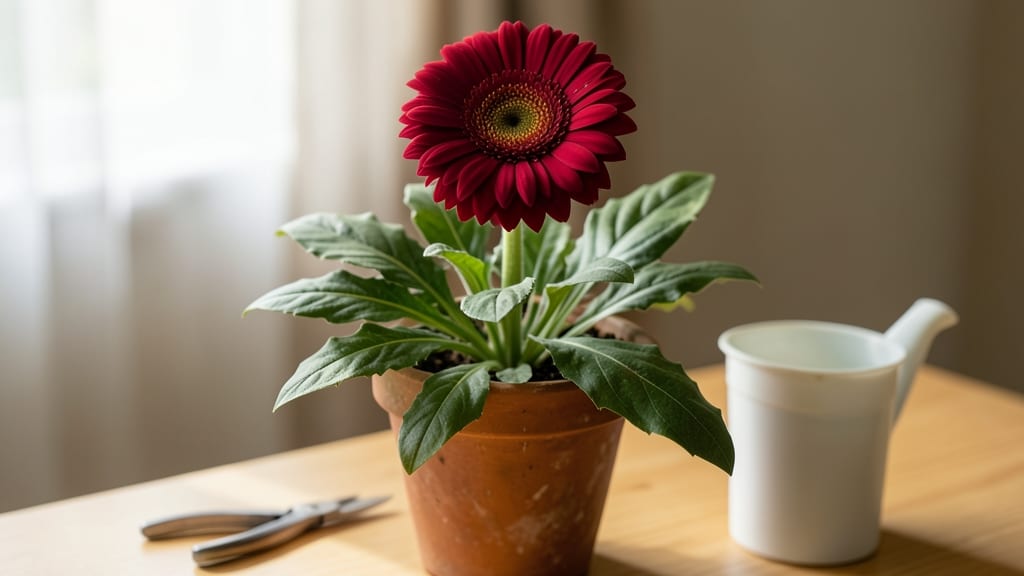
Transform your space with a vibrant daisy indoor plant, like the cheerful Gerbera—sunshine and color now bloom effortlessly inside your home.
Struggling to keep your Gerbera Daisy (Indoor) 🌼 blooming year-round? The secret isn’t luck—it’s mastering the perfect balance of light, water, and soil, all while avoiding common pitfalls that kill delicate petals before they open.
With the right setup, you can enjoy vibrant blooms that last for months. I’ll walk you through the easiest way to set up your plant for success, from picking the perfect spot to keeping the soil just right.
By the end, you’ll know exactly how to keep your Gerbera Daisy (Indoor) 🌼 happy, healthy, and blooming like a pro—no green thumb required.


Optimal light, water & soil requirements for daisy indoor plants
Indoor daisies thrive when you replicate their natural habitat—bright, filtered light, well-draining soil, and consistent moisture without soggy roots. Unlike outdoor daisies, indoor varieties like Gerbera daisies need 6+ hours of indirect sunlight daily to produce vibrant blooms.
Without this, their growth stalls, and petals turn pale or fail to open. I’ve learned the hard way that even a south-facing window can scorch delicate leaves if placed too close!
Watering is where most beginners trip up. Indoor daisies hate wet feet—their roots rot in just 48 hours if left in soggy soil. Yet, underwatering causes buds to drop before blooming. The trick?
Water when the top 1-2 inches of soil feel dry, using room-temperature water to avoid shocking the roots. In winter, I cut back to every 10-14 days since humidity drops and evaporation slows.
Now, let’s talk soil—the foundation of healthy daisies. They crave a light, airy mix with a pH between 6.0 and 7.0. Too acidic (pH <5.5) locks out nutrients, while alkaline soil (pH >7.5) causes yellowing leaves.
I blend 50% potting mix, 30% perlite, and 20% compost for the perfect balance. Add a handful of orchid bark to improve drainage if your daisy’s pot lacks holes.
Let’s break down light requirements first, since this is the #1 factor for blooms. Place your daisy 2–3 feet from an east or west-facing window—south windows work but risk burning leaves. If natural light is scarce, supplement with a grow light 6–8 inches above for 12–14 hours daily.
I use a full-spectrum LED bulb on a timer to mimic daylight cycles. Pro tip: Rotate the pot quarter-turn weekly so stems grow straight toward light, not lopsided.
Watering indoors is trickier than outdoors because pots dry out faster. Stick your finger 1–2 inches into soil—if it’s dry, water thoroughly until liquid drains from the pot’s holes. Discard excess water in saucers to prevent root rot.
In summer, I water in the morning to let foliage dry before evening, reducing fungal risks. Overwatering shows as yellow lower leaves or mushy stems, while underwatering causes crispy edges and bud drop.
Soil composition makes or breaks your daisy’s health. A heavy, clay-based mix suffocates roots, while pure sand drains too fast, starving the plant. My go-to recipe includes coconut coir for moisture retention and worm castings for gentle nutrients.
Avoid garden soil—it compacts and harbors pathogens. If repotting, choose a container just 1–2 inches larger than the current one; bigger pots hold too much moisture and delay blooming.
Don’t overlook humidity, especially in winter when indoor air turns dry from heating. Daisies love 40–60% humidity, but most homes hit 20–30%. Place the pot on a pebble tray filled with water or group it with other plants to raise moisture levels.
Mist leaves lightly in the morning (avoid evening misting—it invites mildew). I also run a small humidifier nearby during winter months, and my daisies reward me with larger, longer-lasting blooms.
Finally, fertilize smartly. Use a balanced 10-10-10 fertilizer every 4–6 weeks from spring to early fall. In winter, let the plant rest—no feeding needed. Over-fertilizing burns roots and causes salty crusts on soil. I dilute fertilizer to half-strength and water deeply afterward to flush excess
Common mistakes that stop daisy indoor plants from blooming
If your daisy indoor plant is throwing out lush green leaves but refuses to bloom, you’re not alone. Many gardeners unknowingly create conditions that signal the plant to focus on foliage over flower production.
The good news? Most issues stem from simple fixes—like adjusting your watering schedule or repositioning the pot for better light exposure. Let’s tackle the top culprits and turn your daisy into a nonstop bloomer.
First, let’s address the light exposure myth. Many assume daisies need direct sunlight all day, but indoor varieties often scorch under harsh rays. Instead, they thrive in bright indirect light, like an east-facing window.
Without enough light, your plant will prioritize leaf growth over bud formation, leaving you with a leafy green wall instead of vibrant blooms. The fix? Rotate your pot weekly to ensure even light distribution.
Your daisy indoor plant is sensitive to moisture levels. Too much water causes root rot, while too little triggers bud drop. Stick to watering when the top 1-2 inches of soil feel dry, and always use a pot with drainage holes. If your plant’s leaves yellow or wilt, it’s a cry for help—adjust your watering immediately!
Next, let’s talk soil and nutrients. Daisies need well-draining soil mixed with organic matter, like compost or perlite, to prevent waterlogging. If your soil is too dense, roots suffocate, and the plant diverts energy away from flowering.
Repot with a lightweight potting mix every 1-2 years to refresh nutrients. A slow-release balanced fertilizer (like 10-10-10) applied every 6-8 weeks in spring and summer will encourage bloom production.
Don’t overlook temperature and humidity. Daisies prefer 65-75°F and 40-50% humidity. Drafty windows or dry air from heating vents can stress the plant, causing buds to abort. Place a humidifier nearby or set the pot on a pebble tray filled with water to mimic outdoor conditions.
Avoid placing your daisy near AC vents or heat sources, as sudden temperature swings shock the plant.
Finally, prune strategically. Deadheading spent blooms encourages new growth, but avoid cutting into healthy stems. Trim just above a leaf node to promote branching and more flower clusters.
If your daisy becomes leggy, it’s begging for better light. Move it closer to a window or supplement with a grow light for 12-14 hours daily in winter.
With these fixes, your daisy indoor plant will reward you with seasonal blooms—no gardening degree required. Start with one adjustment, like light placement or watering routine, and watch the difference in weeks! 🌼