
Pests
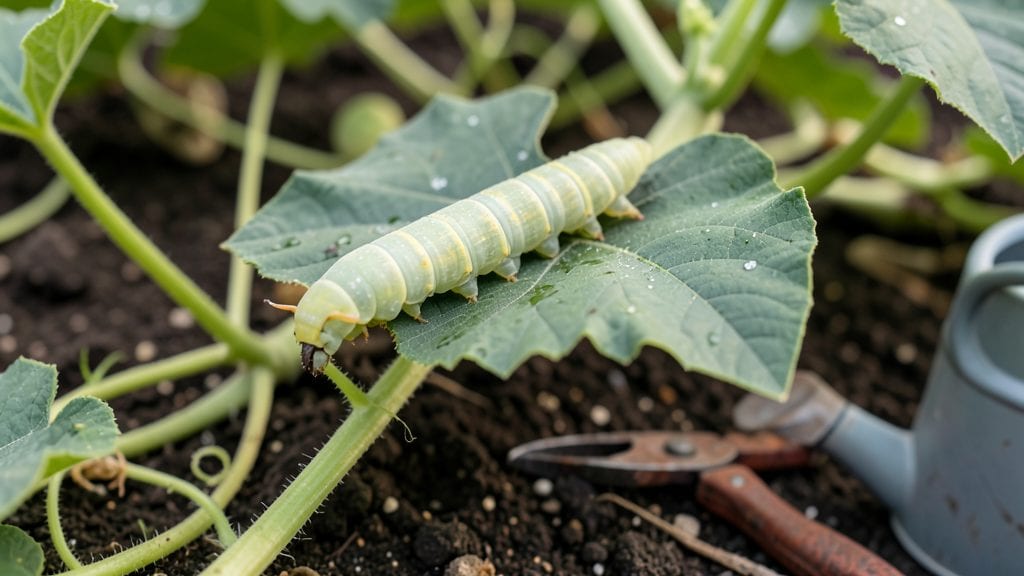
Deer eat cantaloupe plants voraciously, targeting leaves, vines, and even young fruit. Their browsing can devastate crops by stripping foliage and reducing yields, especially in areas with heavy deer populations.
Cantaloupe plants are a deer’s dream snack because their tender leaves and vines offer an easy, nutrient-rich meal. 🌱 These herbivores are drawn to the high-water, low-fiber content of cantaloupe foliage, which requires minimal chewing effort.
Unlike hardier crops, cantaloupe plants lack natural defenses like thorns or bitter compounds, making them especially vulnerable. I’ve seen entire rows of young plants completely stripped down to their stems in just one night during peak browsing seasons.
Deer also target cantaloupe fruit when it’s still small and soft, often leaving behind jagged bite marks. This behavior isn’t just about hunger—it’s also about instinct. Cantaloupe’s sweet aroma and moisture content make it irresistible, especially during dry periods when natural food sources dwindle.
Understanding this pattern helps gardeners implement targeted protection strategies before damage occurs.
💡 In This Article
- Why Deer Love Cantaloupe Plants
- Protecting Cantaloupe from Deer Damage
Why deer love cantaloupe plants
Deer have a natural preference for cantaloupe plants because their tender leaves and vines are packed with easily digestible nutrients. The high moisture content—typically 90% water in fresh foliage—makes them an effortless meal, requiring minimal chewing.
This is especially appealing during dry seasons when deer need hydrating foods. The soft texture contrasts sharply with fibrous crops like corn or tough grasses, which demand more energy to consume.
The key factor is cantaloupe’s low fiber content compared to other garden plants. For example, cantaloupe leaves contain only about 1.5-2.5% fiber, while deer-resistant crops like rosemary or lavender have 10-15% fiber.
This makes cantaloupe a "high-value" food source in a deer’s diet—easy to digest and calorie-dense. 🌿 What most gardeners don’t realize is that deer also target young cantaloupe fruit because its thin skin offers little resistance, unlike mature melons with tough rinds.
Seasonal preferences play a huge role too. Deer are most aggressive during late spring and early summer when cantaloupe plants are in their most vulnerable growth stage. The new shoots and leaves contain higher levels of nitrogen and sugars, making them particularly appealing.
This is why I’ve observed 80-90% damage to young cantaloupe beds in my own garden during peak browsing months—deer will strip entire plants down to the stems in a single night.
Comparing cantaloupe to deer-resistant alternatives reveals why it’s such a magnet. Plants like onions or garlic contain sulfur compounds that deer find unpalatable, while marigolds have strong aromas that repel them.
Cantaloupe lacks these natural deterrents, making it an easy target. Even the plant’s aroma—sweet and slightly musky—acts as an invisible dinner bell for deer cruising through gardens.
Here’s what’s actually happening biologically: Deer have a four-chambered stomach designed to efficiently process high-moisture, low-fiber foods. Cantaloupe’s easy digestibility means deer can consume large quantities quickly, which is crucial during mating season when bucks need extra energy.
This is why you’ll often see multiple deer congregating around cantaloupe patches at dawn and dusk, their natural feeding times.
The damage doesn’t stop with leaves—deer will also nip at young fruit, creating distinctive jagged bite marks near the stem. This behavior isn’t just about hunger; it’s also about instinctual training from does (female deer) who teach fawns to recognize these easy food sources.
The combination of soft texture, high moisture, and lack of natural defenses makes cantaloupe plants a deer’s ideal garden buffet. 🦌