Picking
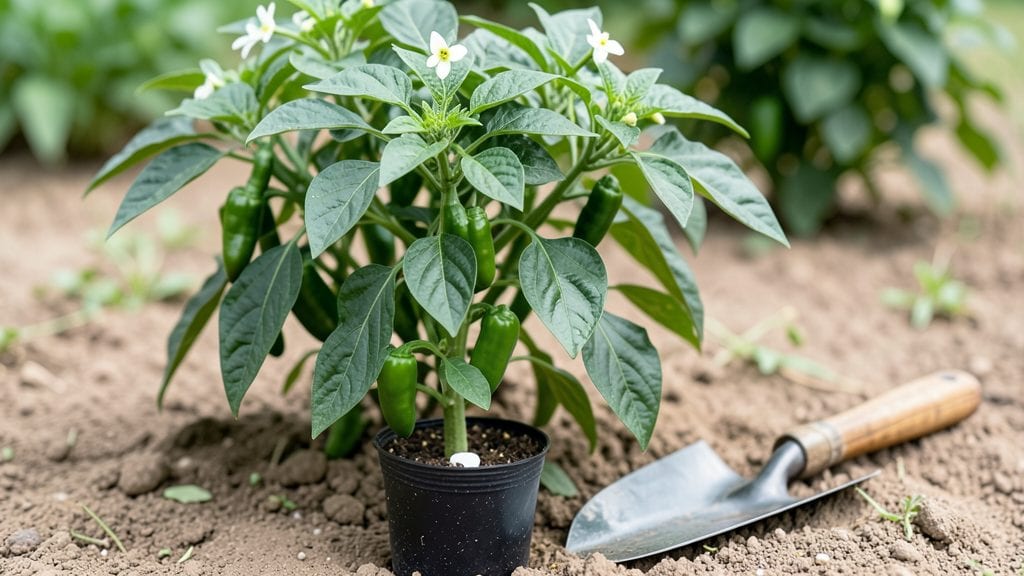
Planting habanero peppers means unlocking a harvest that’ll make your neighbors question your sanity—but in the best way. 🌶️ I’ve grown these fiery beauties for years, and the key isn’t just patience; it’s getting them off to the right start with heat-loving conditions.
The first 30 days determine whether you’ll end up with a bush that produces or one that peters out by summer.
You’ll need well-draining soil (amend with compost if yours is heavy), a spot that gets at least 6-8 hours of full sun daily, and either a warm indoor seed-starting setup or young plants from a trusted nursery.
Habaneros hate cold feet—wait until after the last frost when nighttime temps stay above 55°F, or start seeds indoors 8-10 weeks before transplanting. The trick? Mimic their tropical roots by keeping soil warm and moist but never soggy.
By mid-summer, you’ll see those telltale white flowers—and that’s when the real magic happens. With proper care, a single plant can yield 50+ peppers, each packing enough heat to turn your favorite salsa into a challenge.
The first harvest arrives around 90-120 days, and if you prune strategically, you’ll get a second wave of peppers in late summer. Just don’t touch your eyes after handling them.
Works in zones 9-11 year-round, but even cooler climates can grow them in containers moved indoors for winter. The secret to success? Don’t skimp on sunlight or warmth—habaneros demand both to deliver that signature fiery punch. Ready to grow something worth bragging about?
📚 In This Guide
- What you need
- Instructions
- Tips and common mistakes
- Wrapping up and next steps
What you need
- ● Habanero Seeds: 10–20 seeds (or 2–3 plants if buying starters). Opt for habanero varieties like ‘Carolina Reaper,’ ‘Ghost Pepper,’ or ‘Orange Habanero’ for extra heat!
- ● Containers or Garden Bed: Containers: 5–10 gallon pots (1 per plant) with drainage holes. Black pots absorb heat better!
- ● Garden Bed: Full sun (6–8+ hours/day), well-draining soil with a pH of 6.0–7.0.
- ● Potting Mix: 1–2 bags of well-draining, organic mix (e.g., 60% peat moss, 30% perlite, 10% compost). Avoid heavy clay soil!
- ● Fertilizer: Balanced fertilizer (10-10-10 or 20-20-20) for seedlings.
- ● Low-nitrogen, high-phosphorus (5-10-10) once flowering starts.
- ● Watering Can or Hose: With a gentle spray nozzle to avoid disturbing seedlings.
- ○ Pruning Shears: Sharp, sterilized shears for trimming (optional but helpful for shaping plants).
- ● Grow Lights: LED full-spectrum lights (12–16 hrs/day) if starting indoors before last frost.
- ● Plant Support: Small stakes or cages (2–3 ft tall) for taller varieties.
- ● Mulch: Straw or shredded leaves to retain moisture and suppress weeds.
- ● Heat Mat: For seedlings in cool climates (70–80°F is ideal!).
- ● Spray Bottle: For misting seedlings if humidity is low.
Step-by-step instructions for planting habanero peppers
Here's how to grow fiery, healthy habanero plants that pack serious heat.
🌱 Step 1: Start Seeds Indoors 8-10 Weeks Before Last Frost
Fill 2-3 inch deep seed trays with moistened seed-starting mix and plant habanero seeds ¼ inch deep. I like to use a pencil to make small holes—this keeps seeds at the perfect depth without burying them too deep. Cover lightly with additional mix and mist gently until evenly damp.
Place the tray in a warm spot (around 75-85°F) with bright light. A seedling heat mat speeds germination, and you'll see sprouts in 7-14 days. Keep the soil consistently moist but never soggy—habaneros hate wet feet at this stage.
☀️ Step 2: Provide Strong Light and Harden Off Seedlings
Once seedlings emerge, move them under grow lights or to a south-facing window where they get 12+ hours of light daily. Leggy seedlings mean your light isn't strong enough—raise the grow light to 2-3 inches above the plants and watch for compact, dark green growth.
Two weeks before transplanting, start hardening off seedlings by placing them outside in partial shade for 1-2 hours daily. Gradually increase their outdoor time over 7-10 days until they can handle full sun. This toughens their stems and prevents transplant shock.
🪴 Step 3: Transplant to Warm Soil After All Frost Risk
Wait until soil temperatures reach 70°F or warmer—habaneros refuse to grow in cold soil. Choose a spot with full sun (6+ hours daily) and well-draining soil. Amend heavy clay with compost to improve drainage, as habaneros despise soggy roots.
Dig holes twice as wide as the root ball but no deeper. Space plants 18-24 inches apart to give them room to spread. Water deeply before planting, then place each seedling in its hole, filling around the roots with soil. Press gently to remove air pockets and water again to settle everything.
💧 Step 4: Water Deeply and Fertilize for Maximum Heat
Water habaneros at the base 1-2 inches deep whenever the top 1-2 inches of soil feel dry. Avoid wetting leaves to prevent fungal diseases. I use a soaker hose for deep, even moisture—this keeps roots happy without encouraging surface evaporation.
Feed plants with a balanced fertilizer (10-10-10) every 3-4 weeks once flowers appear. Too much nitrogen makes plants leafy but weakens fruit production. Watch for white flowers—this signals it's time to start fertilizing for maximum heat output.
✂️ Step 5: Prune and Harvest for Boldest Flavors
Pinch off early flowers if your goal is larger peppers—this redirects energy to the plant's growth. Once established, let habaneros flower freely. Harvest peppers when they turn bright red, orange, or yellow (or green if you prefer them milder).
Use pruning shears to snip stems just above the fruit. Wear gloves—habaneros pack serious heat! Prune leggy growth to encourage bushier plants. You'll get 4-6 peppers per plant if you keep them well-fed and watered.
Tips & tricks for perfect habanero pepper planting
Growing habanero peppers from seed is all about patience and precision—here's how to avoid common pitfalls and maximize your fiery harvest.
Seed Starting Precision: The ¼-inch depth for planting seeds is critical—any deeper and they'll struggle to break through the soil. I use a pencil to make the planting holes because it gives me perfect control. After planting, gently mist the surface with water until it's evenly damp, not soggy. This keeps seeds hydrated without creating anaerobic conditions that can rot them.
Heat and Light Control: Maintaining that 75-85°F range for germination is non-negotiable. If your home runs cooler, a seedling heat mat becomes your best friend. Once sprouts appear, switch to 12+ hours of bright light immediately—those leggy seedlings you see? That's a clear sign your light source isn't strong enough. I keep my grow lights just 2-3 inches above the seedlings to prevent stretching.
Soil Temperature Matters: Never transplant when soil temps are below 70°F—habaneros simply won't thrive in cooler conditions. I use a soil thermometer to check temperatures in the morning for accuracy. The 18-24 inch spacing between plants gives them room to develop strong root systems without competing for nutrients, which is especially important for heat production.
Watering Wisdom: The 1-2 inch deep watering guideline is perfect for habaneros. I've found that using a soaker hose right at the base of the plant prevents water from splashing onto leaves, which dramatically reduces fungal disease risk. Watering when the top 1-2 inches of soil feel dry ensures you're not overwatering while still keeping roots consistently moist.
Pro Tips for Habanero Pepper Planting
- Growing habanero peppers from seed is all about patience and precision—here's how to avoid common pitfalls and maximize your fiery harvest.
- Seed Starting Precision: The ¼-inch depth for planting seeds is critical—any deeper and they'll struggle to break through the soil.
- Heat and Light Control: Maintaining that 75-85°F range for germination is non-negotiable.
Frequently asked questions
Got questions about growing your own fiery habanero peppers?
You’re not alone—this spicy adventure comes with a few curveballs! Here are answers to the most common queries to help you cultivate a thriving, heat-packed harvest.
When is the best time to plant habanero peppers?
Habaneros are tropical plants that hate cold—they need warm soil and air to thrive. Start seeds indoors 8–10 weeks before your last frost date (typically March–April in most climates). Transplant outdoors only after nighttime temps stay above 70°F (21°C)—usually late May or June. If you live in a cooler zone, grow them in containers and bring them inside during winter!
How long does it take for habanero peppers to grow and produce fruit?
Patience is key! From seed to harvest, habaneros take 90–150 days, depending on the variety. Expect first flowers in 60–70 days and peppers to form shortly after. For a faster harvest, opt for transplants (not seeds) or choose early-maturing varieties like ‘Carolina Reaper’ or ‘Seven Pot.’
What if my habanero plants wilt or turn yellow? Troubleshooting tips!
Wilting or yellowing leaves often signal stress. Check these fixes:
- Underwatering: Habaneros need 1–2 inches of water weekly (more in heatwaves). Wilting leaves = thirsty plant!
- Overwatering: Yellow leaves + soggy soil? Reduce watering—habaneros hate “wet feet.”
- Pests: Aphids or spider mites suck sap, causing wilting. Spray with neem oil or insecticidal soap.
- Heat stress: Drooping in extreme heat? Provide afternoon shade or mulch to retain moisture.
Still struggling? Test your soil’s pH (6.0–7.0 is ideal)—nutrient deficiencies can mimic wilting.
Can I grow habaneros in containers, and what’s the best pot size?
Habaneros thrive in containers—perfect for small spaces or cooler climates. Use a pot at least 12–18 inches deep and wide (5-gallon buckets work great). Ensure it has drainage holes to prevent root rot. Mix potting soil with compost for nutrient-rich growth, and place the pot in full sun (6+ hours daily). Pro tip: Rotate pots weekly for even growth!
Are there milder habanero alternatives for sensitive palates?
Yes! If you love the flavor but not the heat, try these lower-SCU (Scoville Unit) habanero cousins:
- ‘Chocolate Habanero’ (10,000–50,000 SCU): Sweeter, chocolatey notes with mild heat.
- ‘Rocoto’ (30,000–100,000 SCU): Smoky and slightly less fiery.
- ‘Jalapeño’ (2,500–8,000 SCU): A classic “starter” pepper with habanero-like care.
- ‘Thai Bird’s Eye’ (50,000–100,000 SCU): Tiny but manageable for beginners.
For zero heat, try bell peppers—they’re in the same family but pack zero spice!
Wrapping up and next steps
Growing habanero peppers is a rewarding adventure for any gardener ready to embrace the heat! 🌶️ With the right soil, sunlight, and care, you’ll soon be harvesting fiery fruits to spice up your favorite dishes.
Whether you’re a seasoned spice lover or a curious beginner, this bold crop is worth the effort—just remember to wear gloves and take precautions with its potent kick.
Now that you’re armed with habanero pepper planting secrets, why not take the next step? Start seeds indoors this month, or head to your local nursery to pick out sturdy transplants. Before you know it, your garden will be buzzing with flavor—and maybe a little sweat! 😉