
Pests
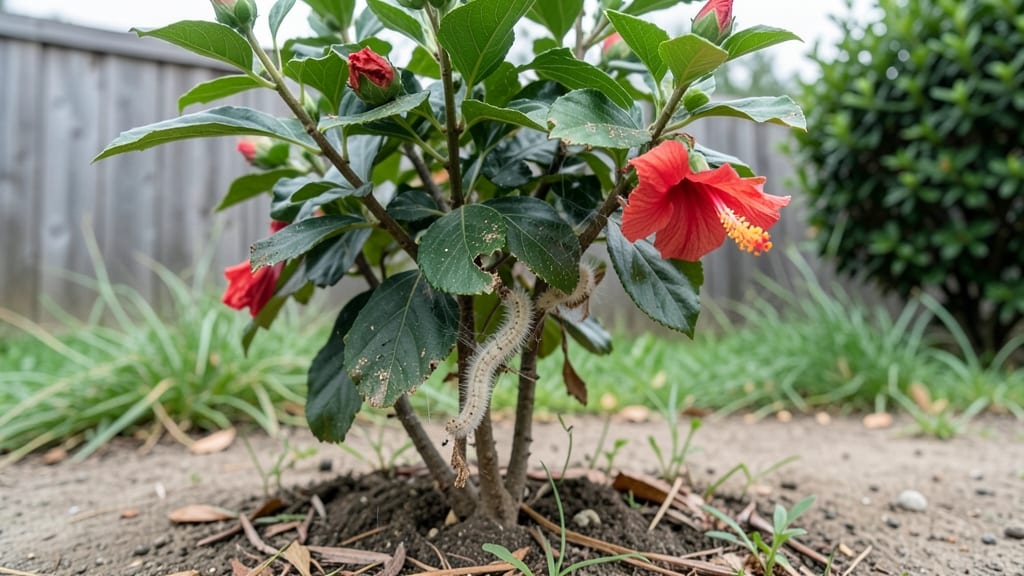
Hibiscus plant pest control starts with knowing the enemy—those tiny invaders like aphids and spider mites that drain your plant’s energy faster than you can say "tropical bloom." 🌿 I’ve battled them all, and the key is acting fast before they turn your glossy leaves into skeleton leaves.
Most gardeners wait too long, thinking a few bugs won’t matter, but by then, the damage is done.
Neem oil and insecticidal soap are your secret weapons—both work within 24-48 hours if applied correctly. The trick is hitting the pests when they’re most vulnerable: early morning or late evening, when they’re sluggish and the spray sticks better.
I’ve saved more hibiscus plants with a simple spray bottle than I have with fancy chemicals, and the best part? These solutions won’t harm your plant or the pollinators visiting your garden.
You’ll notice the difference immediately after treatment: new growth appears within a week, and those once-sticky leaves turn crisp and healthy again. The spray doesn’t just kill pests—it strengthens your hibiscus’s natural defenses, so future attacks are weaker.
Plus, you’ll finally get those showstopping blooms you planted for, instead of fighting a losing battle with pests.
Works for both indoor hibiscus and outdoor varieties, and the same principles apply whether you’re dealing with aphids, whiteflies, or scale. Here’s how to diagnose, treat, and prevent—so your hibiscus stays lush and pest-free all season long.
Root Causes Of Hibiscus Pest Attacks
Pests don’t randomly target your hibiscus—they’re drawn by specific conditions that make your plant a buffet. Understanding these triggers helps you fortify your garden before problems arise. Here’s why pests like aphids, spider mites, and whiteflies throw a party on your hibiscus—and how to shut the invitation down.
Pests thrive where plants are weak, and hibiscus plants under stress become easy pickings. Overcrowding reduces airflow, creating a humid microclimate that fungal pests (like mealybugs) and soft-bodied insects (like aphids) adore. Stress factors—such as improper watering, nutrient deficiencies, or transplant shock—weaken the plant’s natural defenses, making it harder to fend off invaders.
- Why it happens:
- Poor airflow from dense foliage traps moisture, encouraging fungal gnats and spider mites.
- Root-bound plants (hibiscus in small pots) struggle to absorb water/nutrients, signaling distress to pests.
- Nutrient imbalances (too much nitrogen = lush but weak growth; too little phosphorus = stunted roots) make plants vulnerable.
- Actionable fix:
- Prune hibiscus to improve airflow—aim for 30-50% open space between branches.
- Repot root-bound plants into one size larger with well-draining soil.
- Test soil pH (ideal: 6.0–6.5) and amend with compost or a balanced fertilizer (e.g., 10-10-10).
Hibiscus leaves produce sticky honeydew, a sugary byproduct of sap-sucking pests like aphids and scale insects. This sticky residue attracts ant colonies (who "farm" the pests for honeydew) and sooty mold (a black fungal growth that blocks sunlight). Once honeydew appears, your plant becomes a pest magnet.
- Why it happens:
- Sap-sucking pests (e.g., aphids) pierce leaves to feed, excreting honeydew as waste.
- Ants protect these pests because they feed on honeydew, creating a harmful symbiotic relationship.
- High humidity + honeydew = perfect conditions for sooty mold spores to land and grow.
- Actionable fix:
- Blast off honeydew with a hose (not pressure washer) or wipe leaves with a damp cloth.
- Disrupt ant trails with diatomaceous earth (DE) or vinegar barriers (ants avoid acidic scents).
- Introduce natural predators: Ladybugs and lacewings devour aphids and mites—buy them online or attract them with neem oil sprays.
Healthy hibiscus plants produce volatile organic compounds (VOCs), which repel pests. But when stressed (from drought, overwatering, or chemical sprays), these defenses shut down, leaving your plant defenseless.
- Why it happens: - Overwatering causes root rot, starving the plant of oxygen and nutrients.
Weak roots = weak pest resistance. - Underwatering triggers osmotic stress, making leaves crispy and attractive to spider mites. - Synthetic pesticides (even broad-spectrum ones) kill beneficial insects (like predatory mites) that keep pests in check.
- Actionable fix:
- Water deeply but infrequently: Hibiscus prefers 1–1.5 inches of water per week; let soil dry 2–3 inches deep between waterings.
- Avoid harsh chemicals: Swap synthetic sprays for neem oil, insecticidal soap, or kaolin clay to protect beneficial bugs.
- Boost immunity with compost tea or fish emulsion (rich in beneficial microbes).
Pests love warm, protected spots—think dense foliage, greenhouses, or patios with limited wind. Hibiscus grown in containers or greenhouses are especially vulnerable because:
- No natural predators (birds, wasps, or parasitic wasps) can reach them.
- Stagnant air traps heat and humidity, speeding up pest reproduction cycles.
- Why it happens:
- Greenhouse effect: Plastic/polycarbonate traps heat, creating ideal conditions for whiteflies and spider mites (which thrive at 80–90°F).
- Container plants dry out faster, leading to root stress and attracting fungal pests.
- Lack of wind prevents natural pest dispersal (e.g., mites spread via wind currents).
- Actionable fix:
- Increase airflow: Use oscillating fans near plants or prune for openness.
- Move containers to partial shade in peak afternoon sun to reduce heat stress.
- Release beneficial insects: Parasitic wasps (like Encarsia formosa) target whiteflies; predatory mites eat spider mites.
Pro Tip: 💡 Rotate your hibiscus’s location every few weeks to prevent pest buildup in "favorite spots." Pests learn patterns—keep them guessing!
Quick Fixes for Hibiscus Pest Problems
Pests can turn your vibrant hibiscus into a sad, struggling plant—but don’t worry! With the right organic pest control solutions, you can revive your beauty and keep it thriving.
Below, we’ve mapped out practical fixes for common hibiscus pests, from chewers to suckers, along with prevention tips to stop future invasions.
Signs: Sticky residue (honeydew), curled leaves, or clusters of small green/black bugs on new growth.
How to Fix It: 🔥 Blast Them Off – Use a strong spray of water (from a hose or spray bottle) to knock aphids off leaves. Repeat every 2–3 days until gone. 🍳 Soapy Water Spray – Mix 1 tsp mild liquid soap (like Castile soap) + 1 quart water. Spray directly on infested areas (avoid flowers). Reapply after rain. 👨🍳 Neem Oil Treatment – Combine 1 tbsp neem oil + 1 tsp soap + 1 quart water. Spray evenly on undersides of leaves (where aphids hide). Apply every 5–7 days for 2 weeks. ⏰ Prevention: Encourage ladybugs and lacewings—natural aphid predators—by planting dill, fennel, or marigolds nearby.
Signs: White, fluffy clusters (like cotton balls) on stems/leaves, sticky residue, or yellowing leaves.
How to Fix It: 🔥 Rub Them Off – Use a soft cloth dipped in rubbing alcohol (70% isopropyl) to wipe off visible bugs. 🍳 Hydrogen Peroxide Spray – Mix 1 tbsp 3% hydrogen peroxide + 1 quart water. Spray directly on infested areas (test on a small leaf first). Reapply every 3–4 days. 👨🍳 Diatomaceous Earth (DE) Dust – Lightly dust food-grade DE on leaves/stems (avoid flowers). It dehydrates bugs but is harmless to plants. Reapply after watering. ⏰ Prevention: Isolate new plants for 2 weeks before adding them to your garden. Avoid overwatering—mealybugs love damp, hidden spots.
Signs: Tiny white moth-like insects swarming when you disturb the plant, yellowing leaves, or sticky residue.
How to Fix It: 🔥 Yellow Sticky Traps – Hang yellow sticky cards near the plant to catch adult whiteflies before they lay eggs. 🍳 Neem Oil + Kaolin Clay Mix – Combine 1 tbsp neem oil + 1 tbsp kaolin clay + 1 quart water. Spray thoroughly on undersides of leaves (where larvae hide). Repeat weekly for 3 weeks. 👨🍳 Insecticidal Soap Blast – Use a strong spray of insecticidal soap (like Safer® Brand) directly on leaves until dripping. Do this early in the morning to avoid harming bees. ⏰ Prevention: Remove yellowing leaves immediately—whiteflies lay eggs on dying foliage. Space plants properly for airflow (they thrive in crowded, humid conditions).
Signs: Fine webbing on leaves, bronze or speckled yellowing, and tiny moving dots (use a magnifying glass).
How to Fix It: 🔥 Blast with Water – Spider mites hate humidity. Give your hibiscus a good shower to wash them off and boost leaf moisture. 🍳 Neem Oil + Water Spray – Mix 1 tbsp neem oil + 1 tsp soap + 1 quart water. Spray until leaves glisten, focusing on undersides. Repeat every 5 days for 3 weeks. 👨🍳 Horticultural Oil Treatment – Use dormant oil (like JMS Stylet Oil) in early spring or fall when temps are below 85°F. Spray evenly on all surfaces. ⏰ Prevention: Mist leaves regularly (mites thrive in dry conditions). Introduce predatory mites (like Phytoseiulus persimilis) for long-term control.
Signs: Small brown/black bumps on stems/leaves (like tiny shells), sticky honeydew, or sooty mold (black fungus).
How to Fix It: 🔥 Scrape Them Off – Use a soft toothbrush dipped in rubbing alcohol to scrub off visible scale. 🍳 Oil-Based Spray – Mix 1 tbsp horticultural oil + 1 tsp soap + 1 quart water. Spray thoroughly, covering all surfaces. Repeat every 7–10 days for 3 applications. 👨🍳 Beneficial Insects – Release parasitic wasps (like Encarsia formosa) or ladybugs—they love eating scale. ⏰ Prevention: Inspect new plants before bringing them home. Prune heavily infested branches and dispose of them in sealed bags.
✨ Keep Your Hibiscus Healthy – Pests attack weak plants. Ensure your hibiscus gets:
- Full sun (6+ hours/day)
- Well-draining soil
- Regular watering (but no soggy roots!)
- Balanced fertilizer (like 10-10-10) every 4–6 weeks
🌡️ Monitor & Act Fast – Check undersides of leaves weekly. Early intervention = easier fixes!
🎯 Rotate Your Defenses – If one treatment fails, switch methods (e.g., soap → neem → beneficial insects).
Pro Tip: 🔥 Combine methods for best results! For example, use sticky traps + neem oil + ladybugs for whiteflies to attack the problem from all angles.
Frequently asked questions about hibiscus pest control
How often should I spray neem oil on my hibiscus for pests?
Apply neem oil every 5-7 days for 2 weeks to break pest life cycles. Mix 1 tbsp neem oil + 1 tsp soap + 1 quart water and spray thoroughly on undersides of leaves (where most pests hide). Always apply in the early morning or evening to avoid harming bees.
Can I use vinegar to control hibiscus pests?
Yes, but only as a spot treatment for soft-bodied pests like aphids or mealybugs. Mix 1 part white vinegar + 3 parts water + 1 tsp dish soap, spray directly on pests, and rinse leaves after 10 minutes to prevent leaf burn. Never use on flowers or delicate foliage.
Why do my hibiscus leaves keep getting sticky after treatment?
That sticky residue is honeydew, a byproduct of sap-sucking pests like aphids or scale. Even after killing the pests, honeydew remains until it washes off with rain or a gentle hose spray. Wipe leaves with a damp cloth to remove it faster and prevent sooty mold from developing.
Are there any natural predators I can introduce to my hibiscus?
Ladybugs, lacewings, and parasitic wasps are your best allies. Buy them online or attract them by planting dill, fennel, or marigolds nearby. Release ladybugs in the early morning when they're sluggish, and provide a shallow water source (like a damp sponge) for them to drink.
How do I know if my hibiscus is recovering from pest damage?
Look for new growth at the tips of branches within 1-2 weeks of treatment. Healthy leaves will appear glossy and green, and you'll notice fewer pests on weekly inspections. If blooms return after 3-4 weeks, your plant is fully recovering!