
Picking
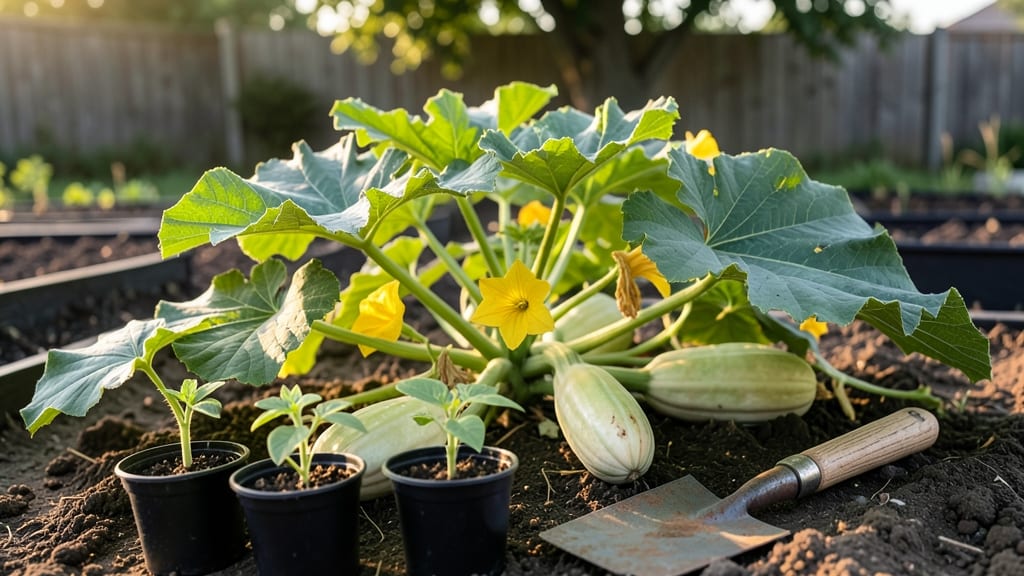
Planting honeynut squash requires warm soil after the last frost, ideally in late spring or early summer, with seeds spaced 2-3 feet apart in well-draining, compost-rich soil. Direct sowing or transplanting works best in USDA zones 3-10, with consistent moisture and full sun for optimal growth.
Honeynut squash loves warmth, so timing is everything—wait until soil reaches 60°F to avoid stunted growth. 🌱 The 2-3 foot spacing isn't just about room; it prevents disease by improving airflow, while compost-rich soil keeps roots happy and productive.
I've found that planting near marigolds deters pests naturally, and mulching after germination locks in moisture for those hot summer days when watering gets tricky.
This variety thrives in full sun (6-8 hours daily), but too much heat without shade can stress plants—especially in zones 8-10 where summers run long. The key is balancing sun exposure with consistent moisture; let the top inch of soil dry between waterings to encourage deep root growth.
For bush types, a small trellis can lift vines off damp ground, reducing rot risks.
💡 In This Article
- Optimal Honeynut Squash Growing Conditions
- Step-by-Step Honeynut Squash Planting Guide
Optimal honeynut squash growing conditions
Honeynut squash germinates best when soil temperatures consistently reach 60-65°F, which is why waiting for the last frost is critical. Cold soil below 50°F slows germination, leaving seeds vulnerable to rot or pests. The plant's tropical origins mean it's frost-sensitive—even light frost can blacken leaves and stunt growth.
This is why late spring or early summer timing aligns with nature's warming trend, giving the squash a head start before summer heat peaks.
The 6-8 hours of full sun daily requirement isn't arbitrary—it's about photosynthesis efficiency. Honeynut squash plants convert sunlight into energy at peak rates between 70-85°F air temperatures. Too little sun (under 5 hours) results in weak vines and poor fruit development, while excessive heat without shade can scorch leaves.
In zones 8-10, afternoon shade cloth (30-50% coverage) helps maintain optimal leaf temperatures during 90°F+ days, preventing heat stress that leads to blossom drop.
Soil composition matters more than most gardeners realize. The ideal pH range of 6.0-6.8 ensures proper nutrient uptake—especially phosphorus and potassium, which are vital for vine development and fruit sweetness.
Sandy soils need 3-4 inches of compost mixed into the top 12 inches to improve water retention, while clay soils benefit from 10% organic matter (like aged manure) to prevent compaction. Poor soil structure leads to root rot, a common issue that manifests as yellowing leaves and wilting vines.
Powdery mildew thrives in humid conditions (70%+ relative humidity) with poor airflow, which is why proper spacing (2-3 feet apart) creates a microclimate that reduces fungal spores. The 1-2 inch mulch layer of straw or shredded leaves maintains even soil moisture while suppressing weeds that compete for nutrients.
Without this, plants become stressed and more susceptible to diseases that cut yields by up to 40% in humid climates.
Here's what happens when conditions go wrong: In dry soil, honeynut squash develops bitter-tasting fruit because the plant concentrates sugars unevenly. Conversely, overly wet soil (like after heavy rain) causes blossom end rot, where the fruit's base turns black and mushy.
The solution? Drip irrigation with 1-1.5 inches of water per week, delivered at soil level to keep foliage dry—a simple fix that prevents both issues.
One often-overlooked factor is soil temperature fluctuations. Honeynut squash roots prefer stability, so mulching with 4-6 inches of straw helps moderate temperature swings between day and night. In containers, use black plastic mulch to warm soil faster in cooler zones.
This consistency is key to preventing blossom drop—a frustrating issue where flowers fall before fruiting, often caused by sudden temperature drops below 55°F.
Think of honeynut squash as a tropical plant with temperate adaptability. The right conditions aren't just about growth—they're about flavor. Plants grown in ideal conditions develop sweeter, denser fruit with 20% more sugar content than stressed plants.
That's why mastering these variables turns a good harvest into an exceptional one. 🌿