
Plants
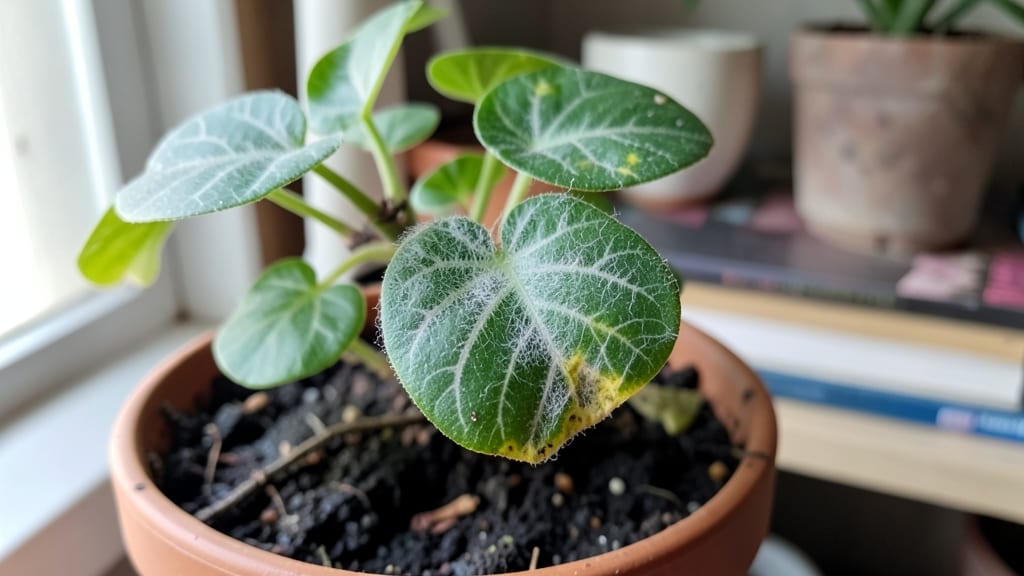
Houseplant fungus turns vibrant leaves into sad, spotted messes—and I’ve saved dozens of plants from the trash by catching it early. The key isn’t fancy treatments but simple fixes using things you already have at home.
Black spots? White powder? That’s your plant screaming for help, and we’re fixing it fast.
Most fungal issues start with overwatering or cramped pots, trapping moisture where spores thrive. I’ve turned my bathroom’s steamy air into a fungus hotspot—until I adjusted watering and added airflow. You’ll learn to spot the warning signs (like those telltale powdery patches) and act before it spreads. No chemicals needed.
With just a few household items—vinegar, hydrogen peroxide, or even baking soda—you’ll sanitize soil, trim infected leaves, and restore your plant’s health in days. The results? Leaves stay crisp, roots breathe again, and your green friends bounce back stronger than ever. Let’s tackle this step by step.
Works for every common houseplant from fiddle-leaf figs to snake plants—no matter how bad it looks, we’re bringing them back. Prevention is easier than you think, and I’ll show you how to keep fungus at bay for good.
Root Causes Of Fungal Spread
Fungal infections in houseplants aren’t just random bad luck—they’re often the result of specific environmental or care-related triggers. Understanding these causes is the first step to preventing and treating them naturally.
Below, we break down the most common culprits behind fungal outbreaks in your green friends, along with the science behind why they thrive.
Fungi love moisture, and excessive watering creates the perfect breeding ground. When soil stays soggy for too long, it deprives roots of oxygen and encourages fungal spores—like Phytophthora or Pythium—to multiply. These pathogens thrive in anaerobic (low-oxygen) conditions, weakening roots and leading to rot.
Why it happens:
- Compacted or heavy soil (e.g., clay or peat-based mixes) holds water like a sponge, slowing drainage.
- No drainage holes in pots trap excess water, suffocating roots.
- Overpotting (using containers too large for the plant) keeps soil damp longer than necessary.
Actionable fix: ✅ Test soil moisture before watering—stick your finger 1–2 inches deep; if it’s damp, wait. ✅ Upgrade pots with drainage holes and use well-aerated mixes (add perlite or orchid bark). ✅ Water deeply but less often—let the top 1–2 inches dry out between sessions.
Many houseplants (like ferns or calatheas) love humidity, but too much without proper airflow creates a fungal paradise. Fungi such as Botrytis (gray mold) or Powdery Mildew spread rapidly in stagnant, humid air, especially on leaves that stay damp.
Why it happens:
- Humidifiers or steamy bathrooms raise moisture levels without circulation.
- Crowded plant arrangements block airflow, trapping humidity near leaves.
- Condensation on leaves (from misting or cold surfaces) mimics a fungal spa.
Actionable fix: ✅ Space plants apart (6–12 inches between them) for better airflow. ✅ Use a fan on low speed near plants to mimic natural breezes. ✅ Avoid misting—opt for tray humidifiers or pebble trays instead. ✅ Wipe leaves with a damp cloth to remove excess moisture.
Fallen leaves, spent blooms, and organic debris act as fungal hotels, harboring spores and providing food for growth. Pathogens like Alternaria or Fusarium latch onto decaying matter, then jump to healthy plant tissue.
Why it happens:
- Neglected cleanup lets dead material pile up, creating a moist, nutrient-rich layer.
- Potting soil spills on surfaces (like saucers or tables) stay damp, fostering fungal colonies.
- Pruning wounds left untreated become entry points for infection.
Actionable fix: ✅ Remove debris weekly—sweep up fallen leaves and trim dead growth. ✅ Sterilize tools with rubbing alcohol before pruning to prevent contamination. ✅ Clean saucers and pots regularly with a 10% hydrogen peroxide solution (1 part peroxide to 9 parts water). ✅ Repot every 1–2 years to refresh soil and remove hidden fungal sources.
Fungi love instability. Sudden drops in temperature (like drafts from AC or cold windows) weaken plant defenses, while high heat increases transpiration, leaving leaves sticky with sugary residue—an all-you-can-eat buffet for fungi.
Why it happens:
- Drafts from windows, doors, or vents create temperature swings.
- Heaters or radiators dry out leaves unevenly, stressing the plant.
- Outdoor plants brought inside without acclimation shock their systems.
Actionable fix: ✅ Keep plants away from drafts (at least 3 feet from windows/doors). ✅ Use a thermometer to monitor ideal temps (most houseplants prefer 65–75°F). ✅ Acclimate outdoor plants gradually over 1–2 weeks before moving inside. ✅ Group plants together to create a stable microclimate.
Even the healthiest plant can fall victim to fungal spores lurking in soil or tools. Pathogens like Rhizoctonia or Sclerotium survive in old potting mix, infesting new plants during repotting. Dirty pruners or gloves can also transfer spores from sick to healthy plants.
Why it happens:
- Reusing old soil without sterilization introduces dormant fungal spores.
- Sharing tools between plants without cleaning spreads infection.
- Infested mulch or compost adds hidden fungal sources to fresh soil.
Actionable fix: ✅ Sterilize soil by baking at 200°F for 30 minutes or using hydrogen peroxide (3%) (1 part peroxide to 4 parts water). ✅ Disinfect tools with 70% isopropyl alcohol or bleach water (1:9 bleach-to-water ratio). ✅ Buy fresh potting mix labeled "sterile" or "fungus-free." ✅ Quarantine new plants for 2–4 weeks to monitor for symptoms.
Quick Fixes for Fungal Woes
Fungal infections in houseplants can feel like a losing battle, but with the right approach, you can nurse your greens back to health—without harsh chemicals. Below, we’ve mapped out common causes to practical fixes, plus prevention tips to keep your plants thriving long-term.
Think of this as your plant’s emergency first aid kit!
When roots suffocate in soggy soil, fungi like Phytophthora or Pythium throw a party. Yellowing leaves, mushy stems, and a foul smell? That’s your plant’s SOS.
🔥 Step-by-Step Rescue:
- 🚰 Drain the Damage
- Remove the plant from its pot and gently shake off excess soil to inspect roots. Healthy roots are firm and white; rotten ones are brown, slimy, or crumbly.
- Trim the bad: Use sterilized scissors to snip away mushy roots (dip scissors in rubbing alcohol between cuts).
- 🌡️ Disinfect & Dry
- Rinse the roots under lukewarm water to remove debris, then let them air-dry for 1–2 hours. Place the plant in a shaded, well-ventilated spot (no direct sunlight yet!).
- 🌱 Repot with Fresh Soil
- Choose a pot with drainage holes (terracotta is ideal) and fill it with a mix of:
- 50% sterilized potting soil (bake soil at 200°F for 30 mins to kill fungi).
- 30% perlite or orchid bark (for aeration).
- 20% coconut coir or worm castings (for moisture control).
- Plant your rescuee, water lightly, and avoid touching the leaves to prevent reinfection.
- Choose a pot with drainage holes (terracotta is ideal) and fill it with a mix of:
💡 Prevention Tips:
- Water wisely: Stick your finger 1–2 inches into the soil—water only if it’s dry. Bottom-watering (placing the pot in a tray of water for 10 mins) reduces overwatering risks.
- Upgrade your pots: Glazed pots trap moisture. Opt for unglazed terracotta or ceramic with holes.
- Mulch matters: Top soil with a ½-inch layer of orchid bark or cinnamon (natural antifungal) to slow moisture evaporation.
White, powdery patches on leaves? That’s Erysiphe or Oidium throwing a party. It thrives in humid, low-light conditions and spreads like wildfire.
🍳 Natural Treatment Plan:
- 🧼 Scrub Gently
- Dip a soft cloth in a mix of:
- 1 part milk (contains lactoperoxidase, a natural antifungal).
- 1 part water.
- Wipe down all leaves (top and bottom) until the powder disappears. Repeat every 3–4 days until clear.
- Dip a soft cloth in a mix of:
- 🌿 Boost Airflow
- Move the plant to a spot with indirect light and good circulation (e.g., near an open window with a fan on low).
- Prune crowded leaves to improve airflow.
- 🍄 Prevent Recurrence
- Spray leaves weekly with a
🔥 Pro Tip:
Coffee grounds are a powerhouse for prevention! Sprinkle used grounds on the soil surface—they lower pH and deter fungi. Reapply every 2 weeks.
Dark, sunken spots on stems or leaves? Botrytis or Alternaria might be crashing your plant’s vibe. These fungi love damp, shaded environments.
👨🍳 Emergency Treatment:
- 🔪 Prune the Problem
- Cut off infected stems below the blackened area using sterilized tools. Dispose of clippings in the trash (not compost).
- 🧴 Apply a Fungal Shield
- Mix
- For stubborn cases, use hydrogen peroxide (3%): Dilute 1 part H₂O₂ to 10 parts water and spray every 5 days.
- 🌡️ Adjust Care
- Increase light exposure (but avoid direct sunburn).
- Water only when the top inch of soil is dry, and water early in the day so leaves dry quickly.
🎯 Long-Term Defense:
- Quarantine new plants for 2 weeks before introducing them to your collection.
- Rotate pots occasionally to ensure even light exposure and prevent shaded spots.
Some plants are beyond saving—if:
In these cases, compost the plant (if no signs of disease) or bag and trash it to prevent cross-contamination. Use the lesson to upgrade your care routine!
With these fixes, your plants will bounce back faster than you’d expect. Consistency is key—fungus hates routine! Start with one method, monitor progress, and adjust as needed. Your green thumb is stronger than you think. 🌿✨
Frequently asked questions
What are the first signs my houseplant has fungus?
Watch for white powdery coatings (powdery mildew), dark sunken spots (root rot or leaf spot), or fuzzy gray growth (Botrytis). Yellowing leaves or mushy stems also signal trouble. Check undersides of leaves first—fungus often hides there before spreading.
Can I save a plant with fungus if it’s already spreading?
Yes, but act fast! Prune infected areas immediately with sterilized tools, then treat with a 3% hydrogen peroxide spray (1:10 ratio) or neem oil solution. Isolate the plant to prevent cross-contamination. For severe cases, repot with fresh, sterilized soil and adjust watering habits.
Why does my plant keep getting fungus even after treatment?
Fungus often returns if root causes persist—like overwatering, poor airflow, or crowded pots. Fix this by upgrading to pots with drainage, spacing plants apart, and using a fan for circulation. Sterilize soil and tools regularly to break the cycle.
Are some houseplants more resistant to fungus than others?
Yes! Snake plants, jade plants, and ZZ plants thrive in drier conditions, making them less prone to fungal issues. Succulents and cacti also resist fungus better due to their thick, moisture-repellent leaves. Choose these if fungus is a recurring problem in your home.
How often should I sterilize my plant tools to prevent fungus?
Clean scissors, pruners, and pots after every use with 70% isopropyl alcohol or a 1:9 bleach-water solution. For pots, a 200°F oven bake for 30 minutes kills spores. Sterilize at least weekly if you have multiple plants to prevent spreading infections.