Container Gardens
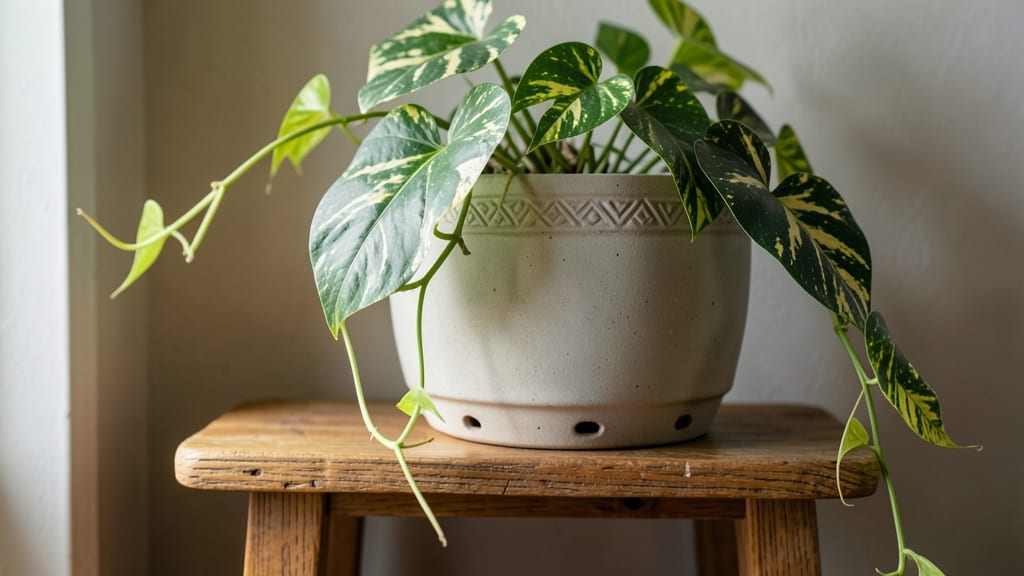
Your houseplants deserve containers as stunning as they are—because the right pot isn’t just functional, it’s the first step to making your green space feel intentional. 🌿 I’ve filled every nook from sunlit shelves to dark corners with containers that do double duty: holding plants and elevating the room.
The secret? Matching material, size, and style to both your plant’s needs and your decor’s personality.
Ceramic holds moisture for tropicals like ferns, while fabric grow bags breathe for succulents. Self-watering pots save time, and hanging planters free up floor space—each choice solves a specific problem while adding visual interest.
My snake plant thrives in a sleek black pot, while my pothos cascades from a woven macramé hanger, and the contrast makes the whole space pop. The best part? You can mix materials, colors, and textures without breaking the bank.
By the end, you’ll have containers that feel like part of the decor—not just afterthoughts. Think jewel-toned pots against neutral walls, oversized planters for statement plants, or nested pots for small spaces.
The right container turns a houseplant into a focal point, and suddenly, your green thumb has a home that’s as stylish as it is functional.
Works for apartments, offices, or sunrooms—just adjust for light and drainage. Let’s find the perfect pot for your plant collection!
Root Issues With Plant Pots
Your houseplants may not thrive—or may even struggle—because of their containers. While stylish pots add aesthetic appeal, the wrong choice can sabotage your green thumb’s success. Let’s break down the science behind why poor container selection leads to plant problems, so you can fix them before they worsen.
If your plant’s container lacks drainage holes, excess water pools at the roots, suffocating them and inviting rot. Why it happens:
- Waterlogged soil cuts off oxygen, leading to anaerobic conditions—a breeding ground for harmful bacteria and fungi like Pythium or Phytophthora, which cause root rot.
- Salinity buildup occurs when stagnant water evaporates, leaving behind mineral deposits that disrupt nutrient uptake.
- Root suffocation happens when roots can’t breathe, slowing growth and turning leaves yellow or mushy.
Actionable fix: Always use pots with drainage holes or add a layer of gravel or perlite at the bottom if repurposing decorative containers.
Some containers—like metal, ceramic, or glossy plastic—absorb and radiate heat unevenly, creating microclimates that stress plants. Why it happens:
- Thermal shock occurs when roots in dark containers overheat in sunlight, while the soil stays cool, disrupting nutrient absorption.
- Cold roots in winter can stunt growth if the pot material (e.g., terracotta) pulls moisture from the soil faster than the plant can replace it.
- Uneven heating in plastic pots can cause root burn on one side while the opposite side stays damp.
Actionable fix: Choose light-colored or matte-finish containers to reflect heat, and avoid placing pots in direct sun for prolonged periods.
Some pots release harmful substances into the soil over time, poisoning your plants. Why it happens:
- Unglazed terracotta can leach alkaline minerals (like calcium) if the soil pH isn’t balanced, altering nutrient availability.
- Cheap plastic pots may contain phthalates or BPA, which can seep into the soil and inhibit root development.
- Old or painted containers might release toxic fumes (e.g., lead from vintage paint) or fungicides used in manufacturing.
Actionable fix: Soak new containers in water for 24 hours before use to leach out chemicals, and opt for food-grade plastic or ceramic labeled as non-toxic.
Containers that are too small restrict roots, while oversized pots lead to overwatering. Why it happens:
| Problem | Science Behind It |
|---|---|
| Root-bound plants | Roots circle the pot, competing for nutrients and water, leading to stunted growth and nutrient deficiency (e.g., yellowing leaves from lack of nitrogen). |
| Excessive soil moisture | Large pots hold more water, keeping soil damp longer than roots can absorb, causing root rot and fungal infections. |
| Imbalanced root-to-soil ratio | Too much empty space forces plants to expend energy growing roots instead of leaves or flowers, weakening overall health. |
Actionable fix: Use pots 1-2 inches larger in diameter than the plant’s root ball, and upgrade sizes gradually as your plant grows.
Top-heavy or lightweight containers tip over easily, uprooting delicate plants. Why it happens:
- Shallow root systems in small pots can’t anchor the plant, especially in drafty areas or near open windows.
- Uneven weight distribution in decorative pots (e.g., hanging planters) causes stress, leading to drooping leaves or broken stems.
- Sudden movements (like pets knocking over pots) damage roots, exposing them to airborne pathogens.
Actionable fix: Use wide, low-center pots for stability, and place them in protected spots away from high-traffic areas or strong airflow.
Fixing Common Container Issues
Even the most stylish house plant containers can face problems—whether it’s drainage woes, root-bound plants, or aesthetic mismatches. The good news? Most issues have simple, practical fixes. Below, we’ll tackle the most common container-related challenges and show you how to turn them around with minimal effort.
If your plants are sitting in soggy soil or developing yellow leaves, poor drainage is likely the culprit. Overwatering in containers is a fast track to root rot, but the fix is straightforward.
#### How to Fix It: - 🔥 Upgrade Your Drainage - If your container lacks holes, drill or punch drainage holes in the bottom (use a nail or power drill for ceramic/pottery). - For decorative outer pots, place a cache pot (a smaller pot with drainage) inside to catch excess water. - 🍳 Use the Right Soil Mix - Swap heavy garden soil for a lightweight, well-draining potting mix. Add perlite, vermiculite, or orchid bark (10-20%) to improve aeration. - 👨🍳 Elevate Your Planter - Place your container on a saucer or elevated stand to prevent water from pooling at the base. #### 💡 Prevention Tips: - ✨ Water Only When Needed: Stick your finger 1-2 inches into the soil—if it’s dry, water; if damp, wait. - 🌡️ Choose Self-Watering Smartly: Opt for containers with built-in reservoirs only if you’re disciplined about emptying them. - 🎯 Avoid Overpotting: Too much soil = slower drying. Match pot size to plant size (e.g., a 6-inch plant in a 10-inch pot may stay wet too long).Crowded roots mean your plant has outgrown its home. Signs include roots circling the soil surface, slow growth, or leaves turning yellow. It’s time for a container upgrade!
#### How to Fix It: - 🔪 Repot with Care - Gently remove the plant, loosen tangled roots with your fingers, and trim any black or mushy roots (use clean scissors). - Place in a container 2-3 inches larger in diameter (bigger isn’t always better—too much space = soggy soil). - 🥘 Refresh the Soil - Replace 50% of the old soil with fresh potting mix to give roots a nutrient boost. #### 💡 Prevention Tips: - 📊 Repot Proactively: Check roots every 12-18 months. If they’re circling, it’s time to move up a size. - 💪 Choose Slow-Growing Plants: Varieties like snake plants or ZZ plants tolerate smaller pots longer than fast growers like monsteras. - 🥗 Use Fabric Pots for Flexibility: These allow roots to breathe and can be adjusted as plants grow.Sometimes, the issue isn’t functional—it’s visual. Your container might look great alone but clash with your decor, or your plant outgrows its chic pot.
#### How to Fix It: - 🔥 Layer with Style - Use nested pots (e.g., a terracotta inner pot + a woven basket outer pot) for a cohesive look. - 🍳 Add Trays or Stands: Elevate containers on wooden slices, metal grids, or acrylic risers to create height and interest. - 👨🍳 Swap or Upcycle - If the pot is too small, paint it to match your decor (use acrylic paint + sealant for durability). - 🥘 DIY Container Hacks: Turn vintage teacups, colanders, or even boots into planters with a bit of creativity. #### 💡 Prevention Tips: - 🎯 Plan for Growth: Pick containers with removable liners (like plastic inserts) for easy upgrades. - 🌡️ Stick to a Theme: Choose a color palette or material (e.g., all terracotta or all matte black) for a polished look. - ✨ Rotate Seasonally: Swap out containers with the seasons (e.g., terracotta in summer, ceramic in winter) to keep things fresh.With these fixes, your house plant containers will not only look stunning but also keep your plants thriving. The key is staying proactive—check drainage, monitor root health, and don’t shy away from a little creative problem-solving!
Frequently asked questions about house plant containers
What’s the best material for pots that keep soil moist for tropical plants?
Ceramic or glazed clay pots are ideal for moisture-loving plants like ferns or calatheas. Their non-porous surfaces slow evaporation, helping soil stay consistently damp. Just avoid dark colors—light hues reflect heat better. For extra humidity, place a tray of water nearby to increase air moisture around the pot.
How do I choose the right size container for my plant?
Start with a pot 1-2 inches larger in diameter than the plant’s root ball. Too much empty space leads to overwatering, while too little restricts growth. For fast growers like monsteras, upgrade sizes every 12-18 months. Slow growers like snake plants can stay in the same pot for 2-3 years without issues.
Can I use decorative containers without drainage holes?
Yes, but only if you use a cache pot system. Place a smaller pot with drainage holes inside your decorative outer pot, then add a layer of gravel or pebbles at the bottom to catch excess water. Empty the outer pot’s saucer after watering to prevent root rot. This works for stylish vases or bowls without compromising plant health.
What’s the easiest way to stabilize top-heavy plants in lightweight containers?
Fill the bottom third of the container with pumice, lava rocks, or even pebbles before adding soil. This adds weight while improving drainage. For hanging planters, use a wider, shallower pot to distribute weight evenly. Place them in corners or against walls to reduce tipping risks.
Are self-watering containers worth the investment?
They’re great for busy plant parents, but only if you empty the reservoir regularly. Over time, stagnant water in the reservoir can breed bacteria. For best results, choose containers with clear water level indicators and limit them to medium-sized plants—small plants dry out too quickly, while large ones may not use the water efficiently.