How To
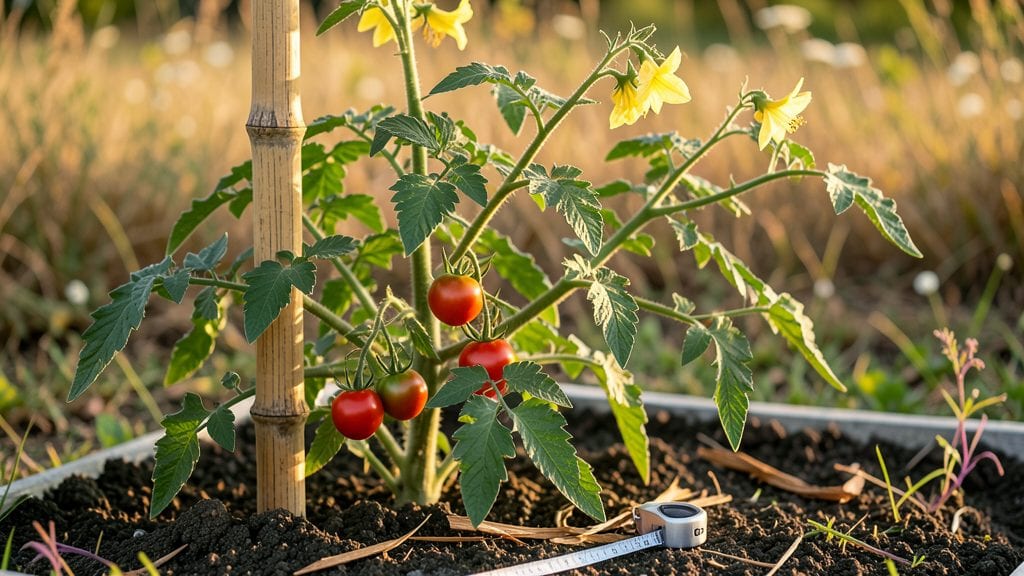
Understanding how tall tomato plants grow reveals a surprising range—from just 1 foot to soaring 12 feet, all thanks to their variety and the support you provide.
If you’ve ever wondered whether your tomato plants will stretch like a jungle vine or stay neat like a bush, the answer lies in their growth habit. Determinate types max out at 3–4 feet, while indeterminate varieties can climb indefinitely if given the right structure.
Get this wrong, and you might end up with floppy plants or wasted garden space.
In this guide, I’ll break down the height differences between determinate and indeterminate tomatoes, the best support systems for each, and how sunlight, pruning, and soil can push your plants to their full potential—or hold them back.
Whether you’re working with a small balcony or a sprawling backyard, knowing these details means more fruit and fewer headaches.
Ready to turn your tomato patch into a productive powerhouse? Let’s dive into the varieties, supports, and secrets that keep plants growing strong.

Tomato plant height by variety: indeterminate vs determinate growth habits
Understanding whether your tomato plants will grow as tall vines or compact bushes starts with one key difference: growth habit. The two main types—indeterminate and determinate—determine not just height but also yield, spacing needs, and even the types of tomatoes you’ll harvest.
Indeterminate varieties keep growing until frost, while determinate ones set all their fruit at once and stop growing. This distinction is critical for planning your garden layout and choosing the right support systems.
For example, the popular 'Sungold' cherry tomato is indeterminate, meaning it can climb to 6-10 feet if left unsupported, while the classic 'Roma' paste tomato is determinate, topping out around 3-4 feet.
Knowing these differences helps you avoid overcrowding, prevent disease from poor airflow, and maximize your harvest. Let’s dive into how these growth habits compare and what each means for your garden.
Indeterminate tomatoes like 'Sungold' cherry tomatoes are the superstars of height, often reaching 8–12 feet if given the right conditions. These vining plants produce fruit continuously throughout the growing season, which means you’ll enjoy a steady harvest from early summer until frost.
However, their tall stature requires sturdy support—think trellises or tall cages—to prevent stems from snapping under the weight of heavy fruit. Without support, they’ll sprawl, leading to poor airflow and increased disease risk.
On the other hand, determinate varieties like 'Roma' are the bushy workhorses of the tomato world. They grow to a predictable 3–5 feet and set all their fruit at once, making them ideal for canning or paste-making.
Because they’re self-supporting, they don’t require as much infrastructure, which makes them perfect for small gardens or containers. Their compact size also means they’re less prone to wind damage, but you’ll need to harvest all the fruit at once to avoid overcrowding.
Choosing the right variety for your space is all about balancing height constraints and harvest goals. If you’re short on vertical space, determinate tomatoes are your best bet—they’re low-maintenance and produce a heavy yield in a small footprint.
But if you love the idea of continuous harvesting and have room for vertical gardening, indeterminate varieties will reward you with months of fresh tomatoes. Just remember: taller plants need stronger support to avoid flopping or breaking under the weight of their fruit.
Another factor to consider is your climate zone. In warmer regions, indeterminate tomatoes can grow even taller and produce fruit later into the season. In cooler climates, you might need to choose shorter varieties or use row covers to extend the growing season.
For example, 'Early Girl', a semi-determinate variety, grows to about 4–5 feet and is a great compromise for areas with shorter summers.
Pruning also plays a huge role in managing height. With indeterminate tomatoes, regular pruning of suckers (the small shoots that form in the leaf axils) helps direct energy toward fruit production rather than excessive foliage.
This keeps the plant more manageable and improves airflow, reducing the risk of blight or fungal diseases. For determinate varieties, pruning is less critical, but removing lower leaves can improve airflow and prevent soil-borne diseases from splashing onto the fruit.
If you’re growing tomatoes in containers, height becomes an even bigger consideration. Determinate varieties like 'Tiny Tim' (which tops out at 18–24 inches) are ideal for pots, while indeterminate types need large containers with trellises to accommodate their sprawling growth.
Always choose a pot that’s at least 12–18 inches deep and wide enough to support the plant’s mature size, with drainage holes to prevent root rot.
One common mistake gardeners make is underestimating support needs for tall varieties. A 6-foot indeterminate tomato left unsupported will flop over, leading to broken stems, cracked fruit, and poor yield.
Invest in heavy-duty cages or trellises (like 6-foot tomato towers) and secure them to the ground with stakes. For even taller varieties, consider a freestanding trellis or arbor to give
How to support tall tomato plants: cages, stakes, and trellises explained
Tall tomato plants need proper support to prevent stem snapping and improve airflow—both critical for preventing disease and maximizing yield. Without support, even indeterminate varieties like 'Cherokee Purple' can flop under the weight of heavy fruit.
The right system depends on your plant's expected height and your garden's space constraints.
Support systems aren't just about preventing collapse—they also influence how your tomatoes grow. For example, trellises encourage vertical growth, while cages provide contained support. Let's explore how to choose and install the best option for your tall tomato varieties.
How Tall Tomato Plants Grow
- 🌱 Determinate varieties (e.g., 'Roma') grow 3-5 feet tall, producing fruit in clusters at the top before stopping.
- 🌿 Indeterminate varieties (e.g., 'Brandywine') can reach 6-10 feet tall, growing continuously with fruit along the stem.
- 🌳 Semi-determinate varieties (e.g., 'Celebrity') grow 4-6 feet tall, producing fruit along the stem but with a slightly bushier habit.
- ✂️ Pruning can reduce height by 20-30% in indeterminate varieties while improving airflow and fruit quality.
- 💧 Water stress or over-fertilizing can cause excessive height or weak stems in tall varieties.
For indeterminate tomatoes, I recommend trellises or tall cages (5-6 feet) because they grow continuously. Install supports at planting to avoid damaging roots later. Use galvanized wire or bamboo stakes for DIY options—both are sturdy and budget-friendly.
For determinate varieties, shorter cages (3-4 feet) or simple stakes work well since they stop growing after flowering.
When installing supports, bury stakes or cages at least 6 inches deep to prevent toppling. For trellises, use twine or soft ties to gently secure stems—avoid wire or tight bindings that can girdle the stem.
Prune suckers (side shoots) regularly to redirect energy to fruit production and improve air circulation, which reduces disease risk like blight.
Common mistakes include using under-sized supports or waiting too long to install them. If your plant outgrows its cage, it’s too late to add more support—prevent this by matching your system to your tomato variety's mature height.
Also, avoid over-pruning, which can stress the plant and reduce yield. Instead, focus on removing only suckers below the first flower cluster.
Pro tip: Add a mulch layer around your supported plants to retain moisture and reduce weeds. This is especially helpful for tall varieties, which have deeper root systems. With the right support and care, your tall tomato plants will thrive and produce a bountiful harvest—no flopping allowed! 🌱