
Pests
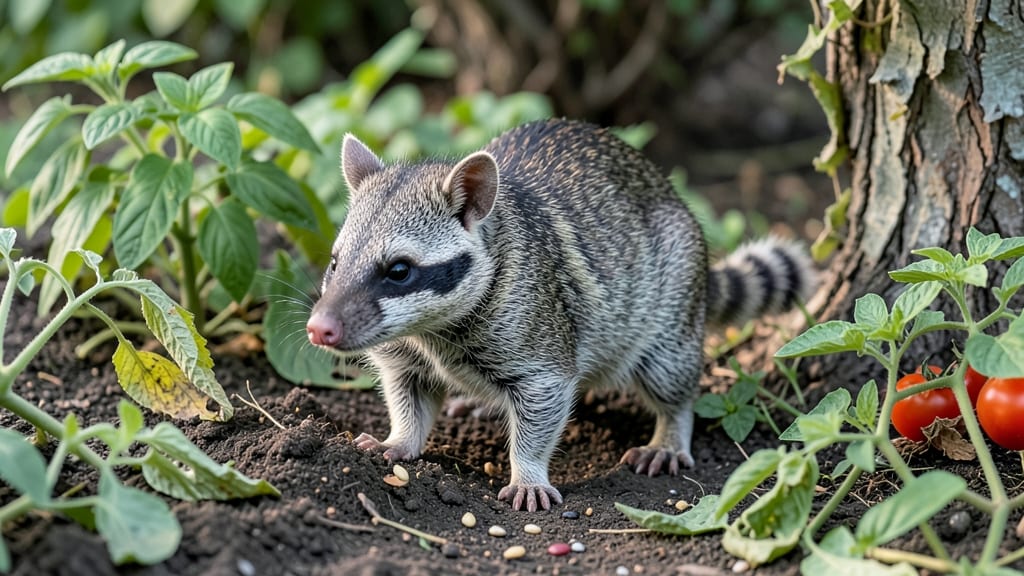
Learn how to protect tomato plants from deer without fences—these sneaky, layered tricks saved my garden from becoming a buffet. 🌱 The key isn’t just one method; it’s combining solutions so those four-legged thieves give up and move on to your neighbor's hostas.
Start with repellents like commercial sprays or homemade garlic-chili mixes, but don't stop there. Add physical deterrents like tall stakes wrapped in aluminum foil or even a DIY motion-activated sprinkler that startles them away.
I've seen deer bolt at the first spray, and once they associate your garden with discomfort, they'll avoid it.
Companion planting works too—marigolds, basil, and onions planted around tomatoes confuse deer with unfamiliar smells. Pair that with habitat tweaks like removing brushy hiding spots near your garden, and you've made the area less inviting. Within a week, you'll notice fewer broken stems and more ripe tomatoes.
These methods work in both rural and urban gardens, though rural areas might need stronger barriers. The best part? You can mix and match until you find what your local deer hate most. Once you've got them trained, you'll finally enjoy that bountiful harvest you've been dreaming of.
📚 In This Guide
- What you need
- Instructions
- Tips and common mistakes
- Wrapping up and next steps
What you need
- ● Repellent plants: Marigolds (5–10 plants), garlic (3–5 bulbs), or barberry shrubs (1–2 plants). Deer hate their scent!
- ● Physical barriers: Floating row covers (1–2 covers, 3–4 ft wide, 6+ ft long, lightweight breathable fabric).
- ● Chicken wire or hardware cloth (10–15 ft roll, 1/2-inch mesh for small deer, 1-inch for larger ones).
- ● Sprays & deterrents: Commercial deer repellent (1–2 spray bottles, like Deer Out! or Liquid Fence).
- ● Homemade spray ingredients: Hot pepper sauce (1 tbsp), dish soap (1 tsp), water (1 gallon).
- ● Stakes or supports: 6–8 wooden or metal stakes (12–18 inches tall) for securing barriers.
- ● Motion-activated sprinklers: (1 unit, like ScareCrow) to startle deer with water bursts.
- ● Reflective tape or old CDs: Hang strips near plants to create "visual noise."
- ● Dog or cat hair: Collect from brushes (1–2 handfuls) to scatter around plants—deer dislike the smell!
- ● Compost or manure: A small pile (1–2 sq ft) near plants can mask tomato scents.
Step-by-Step instructions for fence-free deer protection
Here’s how to keep deer away from your tomatoes without building an expensive fence.
🌿 Step 1: Choose the Right Repellent Spray
Start with a deer repellent spray—the most effective option for small gardens. I recommend rotten egg-based or predator urine sprays (like those with coyote or fox urine), as deer avoid strong smells that signal danger. Spray the entire plant and surrounding soil, focusing on leaves and stems where deer might browse. Reapply every 7-10 days or after rain, as the scent fades quickly.
Apply in the early morning or late evening when deer are most active. Avoid spraying when it’s windy—you want the smell to linger near your plants, not drift away. If you notice deer lingering nearby after spraying, increase frequency to every 5 days until they learn to avoid the area.
☀️ Step 2: Set Up Physical Barriers with Natural Materials
Use hula hoops or wire mesh (like 1-inch hardware cloth) to create a low, flexible barrier around your tomato plants. Bend the mesh into a low cylinder around each plant, securing it with stakes or rocks. Deer can jump over fences, but they won’t bother stepping over a 2-3 foot tall mesh wall if it’s sturdy. For a fence-free look, weave bamboo stakes or tall grass clumps around the perimeter—they’re less appealing to deer than tender tomato leaves.
Place the barrier at least 3 feet from the plant base to prevent deer from reaching over it. If you’re using hula hoops, prop them up with PVC pipes to create a temporary, collapsible fence. This method is perfect for small gardens or raised beds and can be moved as your plants grow.
🪴 Step 3: Plant Deer-Resistant Companions
Interplant your tomatoes with deer-deterring herbs and flowers, like marigolds, basil, or lavender. Deer avoid these strong-scented plants, and their presence alone can reduce browsing by up to 50%. Space them every 12-18 inches around your tomatoes to create a natural barrier. I also add garlic or chives near the base of tomato plants—their pungent smell confuses deer and makes the area less appealing.
If deer are persistent, try daisies or sunflowers as sacrificial plants. These are less desirable than tomatoes, so deer may graze on them instead. Just be sure to harvest or remove damaged plants to keep your garden healthy. This method works best in larger gardens where deer have multiple options for grazing.
⏰ Step 4: Use Motion-Activated Deterrents
Set up motion-activated sprinklers or lights near your tomato patch. These devices startle deer with sudden noise or water spray when they approach. Place them at least 6 feet away from plants to avoid damaging foliage. A single sprinkler can cover 1,000 square feet, making it ideal for medium to large gardens. For smaller spaces, a battery-operated motion light (like a solar-powered flashlight) can scare deer away with unexpected flashes.
Test the sprinkler first to ensure it doesn’t spray your plants directly. If it does, adjust the angle or move it farther away. Deer learn quickly—if they don’t get startled, they’ll ignore the motion detector. For best results, combine this with repellent sprays for a two-pronged defense.
Tips & tricks for protecting tomato plants from deer
These practical strategies will help you create an effective deer deterrent system that actually works without breaking the bank.
Repellent Application Strategy: When applying deer repellent spray in Step 1, focus on the undersides of leaves where deer first make contact. The scent lingers longer there, creating a stronger deterrent. I've found that adding a few drops of hot sauce or cayenne pepper to your repellent spray (optional) makes it even more effective—deer absolutely hate the spicy kick! Reapply immediately after rain, as the scent washes away quickly.
Barrier Placement Precision: In Step 2, the key to successful barriers is positioning them just beyond the plant's mature height. For tomato plants, aim for a barrier that's 3-4 feet tall—deer can jump over 6-foot fences, but they won't bother with a barrier they can't see over. If using hula hoops, space them 12 inches apart to prevent deer from stepping through gaps. For raised beds, create a continuous barrier around the entire perimeter rather than individual plant protections.
Companion Planting Layout: For Step 3, arrange your deer-resistant companions in a ring pattern around each tomato plant, about 18 inches away. This creates a natural scent barrier that deer will avoid. I've had the most success with lavender and rosemary—their strong fragrance is particularly effective. Place the most pungent plants (like garlic or chives) closest to the tomato stems where deer would first reach. Rotate sacrificial plants like daisies every 2-3 weeks to keep deer confused about which plants are safe to eat.
Motion Deterrent Placement: When setting up motion-activated devices in Step 4, position them so they cover overlapping zones around your garden. Deer have excellent peripheral vision, so place devices at different heights (some low to the ground, others higher) to catch them no matter which direction they approach. For solar-powered lights, place them in full sun all day to ensure maximum battery life during nighttime deer activity. Test each device's range before final placement—some sprinklers only cover 500 square feet while others handle 1,000 square feet.
Pro Tips for Protect Tomato Plants From Deer
- These practical strategies will help you create an effective deer deterrent system that actually works without breaking the bank.
- Repellent Application Strategy: When applying deer repellent spray in Step 1, focus on the undersides of leaves where deer first make contact.
- Barrier Placement Precision: In Step 2, the key to successful barriers is positioning them just beyond the plant's mature height.
Frequently asked questions
What’s the best time of year to start protecting my tomato plants from deer?
Start before planting! Deer are opportunistic, so install barriers (like fencing or repellents) in early spring when shoots emerge. If your plants are already up, act fast—deer can strip seedlings overnight. Fall is also key: deer hunt for winter food, so protect late-season tomatoes aggressively.
Do deer-proof fences really work, or will I waste money?
Yes, but only if they’re tall enough (at least 8 feet) and buried 12 inches deep to deter digging. Cheap fencing (like chicken wire) fails—deer leap over it. For a budget-friendly fix, try electrified tape (1–2 inches off the ground) or commercial repellents like Liquid Fence®.
Are there non-toxic, deer-repellent plants I can grow near tomatoes?
Plant marigolds, garlic, or rosemary nearby—their strong scents mask tomato aromas. Deer also dislike foxglove, daffodils, or lavender. Pro tip: Rotate repellent plants yearly to keep deer confused. Pair them with physical barriers (like mesh) for best results.
My deer keep eating my tomatoes even after I tried everything—what now?
Try a multi-layered approach:
- Motion-activated sprinklers (like ScareCrow®) startle them.
- Human hair or predator urine (fox/coyote) around the garden.
- Plant decoys (like fake tomatoes) to lure them away.
- Check for gaps—deer exploit weak spots in fences.
What’s the most cost-effective deer deterrent for large gardens?
A DIY electrified wire setup (using solar chargers) costs $50–$100 and covers acres. For smaller plots, commercial repellents (like Bobbex®) are cheaper than fencing ($20–$40/season). Best value: Combine repellents + tall fencing (6+ ft) for long-term savings.
Wrapping up and next steps
Protecting your tomato plants from deer doesn’t have to mean building an expensive fence—creative, natural barriers can work just as well! 🌱 From hot pepper sprays to repellent plants and motion-activated sprinklers, you’ve got plenty of options to keep those hungry critters away without breaking the bank.
Start small, test what works best for your garden, and soon you’ll be harvesting juicy, deer-free tomatoes all season long!
Ready to take action? Pick one or two methods from this guide and give them a try—your future tomato plants will thank you! 🍅✨