
Aphids
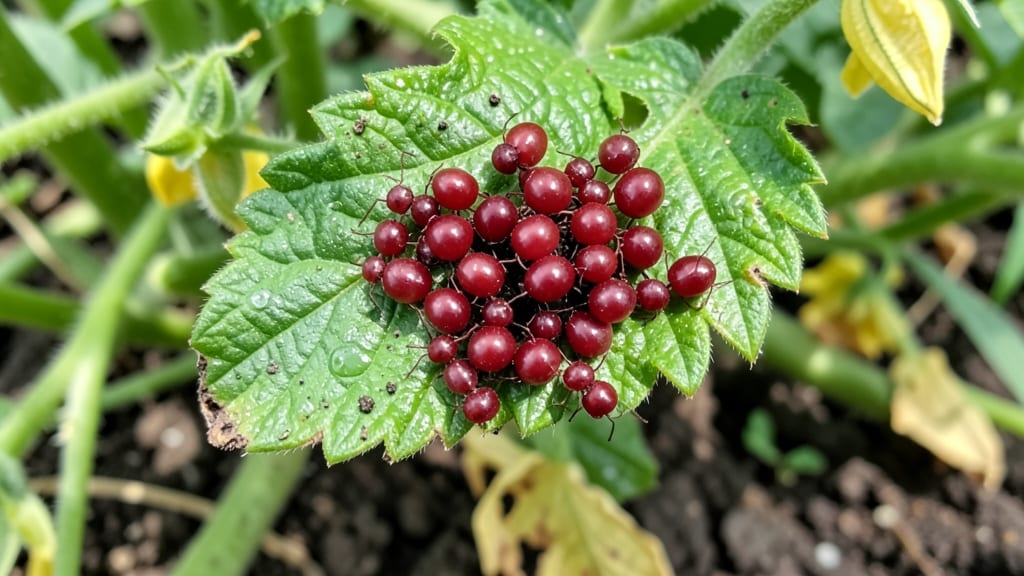
Red aphids on tomato plants are the tiny, persistent pests that can turn your lush vines into sticky, yellowing messes faster than you’d think. 🌱 I’ve battled them for years, and after countless failed sprays, I finally found a foolproof organic mix that clears them in 24 hours—no harsh chemicals needed.
The secret isn’t just the spray, though; it’s knowing when to apply it and how to prevent them from coming back.
These little red devils cluster on new growth, sucking sap and leaving behind a sticky residue called honeydew that attracts even worse pests. I’ve seen tomato plants go from vibrant green to wilted and deformed in just a few days.
The good news? A simple blend of neem oil, dish soap, and water—applied at the right time—stops them dead in their tracks without harming your plants or pollinators.
By morning, you’ll see the aphids dropping off, and within a week, your tomatoes will bounce back with fresh, glossy green leaves. The spray works best in the early evening when bees aren’t active, and you’ll need to repeat it every 5–7 days until the infestation is gone.
Trust me, this method saves your harvest—and your sanity—when those red pests strike.
Works for greenhouse tomatoes, container plants, and backyard gardens alike. The key is acting fast before they spread. Let’s get your plants back to thriving in no time!
Root Causes of Tomato Aphids
Those tiny red invaders on your tomato plants aren’t just a random annoyance—they’re the result of specific environmental and biological triggers. Understanding why they appear is the first step to stopping them before they devour your harvest. Let’s break down the science behind their sudden arrival.
Tomato plants under stress are like an all-you-can-eat buffet for aphids. When plants are overcrowded, nutrients become scarce, and their natural defenses weaken. Here’s why:
- Poor air circulation: Dense foliage traps moisture, creating a humid microclimate that aphids love. Without airflow, plants can’t dry out quickly after rain, making them even more attractive to pests.
- Nutrient competition: Overcrowded plants compete for water, sunlight, and soil nutrients. Weakened plants produce less sap—aphids’ favorite food—so they go after the easiest targets: stressed tomatoes.
- Root stress: Compacted or poor-quality soil restricts root growth, forcing plants to divert energy to survival instead of pest resistance. Aphids detect these chemical distress signals and home in.
Actionable fix: Prune plants to improve airflow, space them 18–24 inches apart, and amend soil with compost to reduce stress.
Aphids thrive when their predators are missing. In a balanced ecosystem, ladybugs, lacewings, parasitic wasps, and birds keep aphid populations in check. But modern gardening often disrupts this balance:
- Pesticide overuse: Broad-spectrum chemical sprays kill both pests and their natural enemies, leaving aphids unchecked. Even synthetic fertilizers can harm beneficial insects.
- Monoculture gardening: Planting only tomatoes (or other aphid favorites like peppers) creates a feast with no predators in sight. Diverse gardens attract more wildlife that preys on aphids.
- Urban/suburban isolation: Backyard gardens in cities or suburbs often lack the biodiversity of wild areas, reducing predator populations.
Actionable fix: Introduce companion plants like marigolds, basil, or dill to attract predators. Avoid synthetic pesticides and use neem oil or soapy water sprays instead.
Aphids are drawn to new, tender growth because it’s packed with sugary sap—their primary food source. Here’s the science:
- High sugar content: Young leaves and stems contain more phloem sap, which is up to 20% sugar. Aphids use specialized mouthparts to pierce plant cells and suck out this liquid.
- Volatile organic compounds (VOCs): Stressed or damaged plants release chemical signals that aphids detect from up to 3 feet away. These VOCs act like a dinner bell.
- Fast reproduction: A single aphid can produce 50–80 offspring in a week, and they prefer new growth where competition for food is low.
Actionable fix: Regularly pinch off tips of new growth to deprive aphids of their favorite feeding spots. Use reflective mulch (like aluminum foil) to confuse aphids’ landing patterns.
Aphids are highly sensitive to weather patterns, and certain conditions create the perfect storm for an infestation:
- Warm, dry springs: Mild winters and early warm spells allow aphids to survive and multiply faster. They can go through 10–15 generations per year in ideal conditions.
- Sudden temperature drops: Cool nights followed by warm days stress plants, making them more vulnerable to aphid attacks.
- High humidity: While aphids dislike direct rain, they thrive in humid, sheltered areas (like under leaves). This is why they often cluster on the undersides of leaves.
Actionable fix: Monitor weather forecasts and protect young plants with row covers during aphid-prone seasons. Use shade cloth to moderate temperature swings.
Now that you know why red aphids show up uninvited, the next step is how to kick them off your tomatoes fast—without harming your plants or the planet.
Quick Fixes for Tiny Tomato Troubles
Spotting red aphids on your tomato plants can feel like a garden nightmare, but don’t worry—there are effective, organic solutions to kick them out fast. The key is acting quickly and targeting the root cause (overcrowding, weak plants, or pests) while using methods that won’t harm your tomatoes.
Below, we’ve mapped out practical fixes based on what’s inviting these critters in the first place.
If your tomato plants are packed too tightly, they’re more vulnerable to aphid infestations because airflow and sunlight get blocked, weakening the foliage. Red aphids love stressed plants!
How to Fix It:- 🌱 Prune aggressively: Snip away crowded stems or suckers (the small shoots between the main stem and branches) to improve airflow. Focus on the lower leaves, which aphids adore.
- 🌿 Space them out: If your plants are still too close, transplant some to a different spot in the garden. Aim for 18–24 inches apart for determinate tomatoes and 24–36 inches for indeterminate varieties.
- 💡 Pro Tip: Mulch around the base with straw or grass clippings to keep soil moisture even and reduce stress.
Tomatoes that are nutrient-deficient, underwatered, or recovering from disease are aphid magnets. Red aphids thrive on sap-rich, tender new growth—so give your plants a fighting chance!
How to Fix It:- 💦 Water deeply and consistently: Aim for 1–2 inches of water per week, especially during dry spells. Avoid overhead watering (it can spread aphids), and water at the base of the plant in the morning.
- 🌿 Feed them right: Use a balanced organic fertilizer (like 5-5-5) or a compost tea to replenish nutrients. Look for signs of deficiency (yellowing leaves = nitrogen; purple stems = phosphorus).
- 🔥 Quick Rescue Spray: Mix 1 tsp of dish soap + 1 tsp of neem oil + 1 quart of water in a spray bottle. Dab or lightly spray only the affected leaves (test a small area first). Reapply every 3–4 days until aphids vanish.
- 🌡️ Heat Them Out: If aphids are clustering on new growth, cover the plant with a row cover or lightweight fabric for a few hours in hot sun. The heat will dehydrate them.
If red aphids are already feasting, you’ll need a multi-step approach to starve them out and prevent a comeback. The goal? Remove them physically, disrupt their life cycle, and lure predators to your garden.
How to Fix It:| Method | How to Do It | When to Use |
|---|---|---|
| 🔪 Blasting Off | Use a strong stream of water from a hose to knock aphids off leaves. Do this early in the morning so plants dry quickly. | Daily until infestation clears |
| 🍳 Soap Spray | Mix 2 tbsp mild castile soap + 1 quart water. Spray directly on aphids (avoid flowers to protect pollinators). Reapply after rain. | Every 2–3 days for 1–2 weeks |
| 🌿 Beneficial Insects | Release ladybugs, lacewings, or parasitic wasps (available at garden centers). They devour aphids and lay eggs nearby. | Release at dusk or early morning |
| 🍯 Homemade Trap | Fill a jar with water + a few drops of dish soap. Hang it near plants—aphids will fall in and drown. | Place 1–2 traps per 10 sq ft |
⏰ Timing Matters: For fastest results, combine blasting + soap spray + beneficial insects. Check plants daily and repeat until no new aphids appear for 5–7 days.
The best defense is a healthy, aphid-unfriendly garden. Once you’ve banished red aphids, take these steps to lock them out:
- 🌱 Plant smart:
- Interplant tomatoes with aphid-repelling herbs like basil, mint, or marigolds.
- Avoid planting tomatoes in the same spot year after year (crop rotation breaks pest cycles).
- 💡 Monitor regularly:
- Inspect new growth and undersides of leaves weekly with a magnifying glass.
- Shake plants gently over a white sheet—tiny aphids will reveal themselves.
- 🌿 Encourage predators:
- Leave some weeds or "wild" plants (like dandelions) nearby—they attract aphid-eating insects.
- Avoid broad-spectrum pesticides (they kill beneficial bugs too!).
- 🎯 Early intervention:
- At the first sign of aphids, isolate the plant and treat it immediately.
- Remove heavily infested leaves (bag and toss them far from the garden).
With these targeted fixes, your tomato plants will bounce back stronger—and red aphids won’t stand a chance. 🚀 Happy gardening!
Frequently asked questions
Are red aphids different from green aphids on tomato plants?
Yes! While both types feed on tomato sap, red aphids (often called cotton aphids) tend to cluster on new growth and flower buds, causing more noticeable damage. Green aphids (like green peach aphids) prefer mature leaves. Red aphids also produce more honeydew, which attracts sooty mold. The color difference comes from pigments in their bodies, not their diet.
Will neem oil harm my tomato plants if used too often?
Neem oil is safe when used correctly, but overuse can stress plants. Stick to every 5–7 days and always dilute it (1 tsp per quart of water). Avoid spraying during hot afternoons or when tomatoes are flowering to protect pollinators. A few applications won’t hurt, but don’t exceed 3–4 times per season for best results.
How do I know if my tomato plants are stressed enough to attract aphids?
Look for these signs: yellowing leaves, stunted growth, or wilting despite regular watering. Overcrowded plants with poor airflow or compacted soil are prime targets. Aphids also love plants recovering from transplant shock or nutrient deficiencies. Prune, space plants properly, and amend soil with compost to reduce stress.
Can I use coffee grounds to repel red aphids?
Coffee grounds can help indirectly by improving soil health, but they’re not a direct aphid repellent. For best results, mix 1 cup of grounds per plant into the soil to boost microbial activity. Pair this with soap spray or neem oil for faster aphid control. The caffeine in coffee grounds may deter some pests, but it won’t eliminate an active infestation.