
Pruning
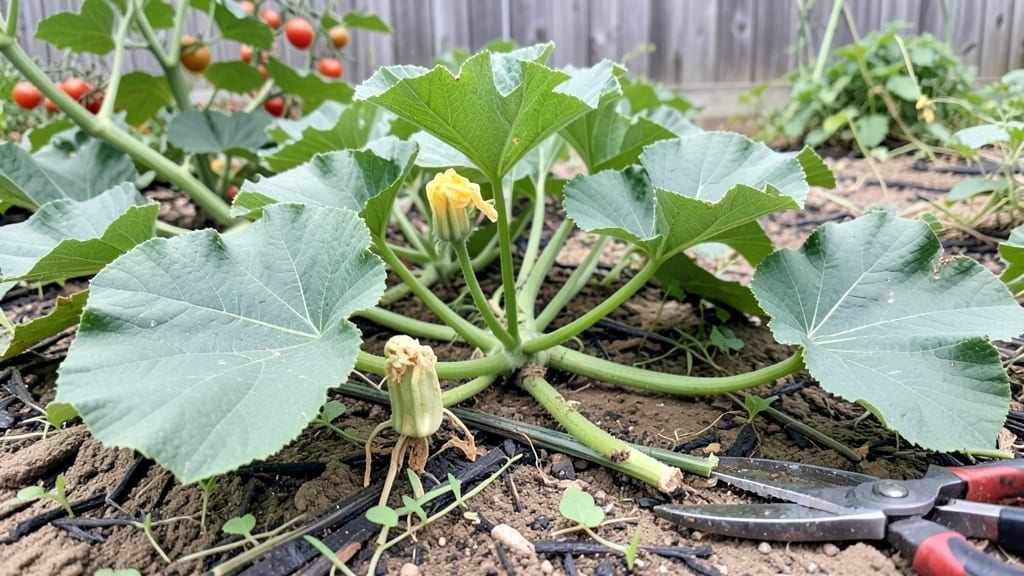
Pruning summer squash plants isn't just about trimming—it's the secret to doubling your harvest this season. I learned the hard way that skipping this step means fewer fruits and more disease-prone vines. The right cuts redirect energy where you want it: straight to those squash you'll be grilling by July.
You only need three simple trims and a pair of clean pruners to get started. Focus on removing suckers (those little shoots between the main stem and branches) when they're still small—about the size of a pencil.
This keeps air moving through the plant, which means fewer yellow leaves and more vibrant green growth ready to produce.
By mid-summer, you'll notice the difference: plants stay compact, leaves stay healthy, and the vines explode with larger, more uniform squash. The key is timing—do it early in the season when plants are young, and avoid cutting into the main stem.
That one mistake can set your whole plant back.
This method works for both bush and vining varieties, though bush types need less aggressive pruning. Even if you've never trimmed squash before, these three cuts will give you better results than leaving them completely unpruned. Your neighbors will be asking for your secret by harvest time.
📚 In This Guide
- What you need
- Instructions
- Tips and common mistakes
- Wrapping up and next steps
What you need
- ● Pro tip: 💡 Always sterilize your tools before and after pruning to avoid spreading fungal diseases like powdery mildew. A quick wipe with rubbing alcohol works too!
Step-by-Step instructions for pruning summer squash plants
Here’s the straightforward method I’ve used for years to keep squash productive and healthy.
Identify and Remove Suckers Early
Squash plants grow suckers—small shoots that sprout where leaves meet the stem. These compete with your main plant for energy, reducing fruit production. Look for them when the plant is about 2 feet tall, usually 3-4 weeks after planting. Use clean, sharp pruning shears to snip them off at the base, just above a leaf node.
Don’t wait until suckers are large—they’ll drain energy from your main plant. I check for new suckers every 5-7 days during peak growth. If you see more than 2-3 suckers, prioritize removing the largest ones first. This keeps the plant focused on producing fruit instead of extra stems.
Trim Excess Leaves for Better Airflow
Overcrowded foliage traps moisture, inviting fungal diseases like powdery mildew. Focus on leaves near the base of the plant—these often shade the soil and slow growth. Use your fingers or pruners to gently pinch off 2-3 of the largest lower leaves when the plant is 3-4 feet tall. Avoid removing more than 10-15% of the foliage at once.
You’ll know you’ve done enough when sunlight reaches the lower stems and soil surface. This encourages stronger root development and prevents rot. I also trim any yellow or diseased leaves immediately—they’re energy drains and disease spreaders.
Prune Overly Long Vines to Encourage Fruit
Summer squash vines can grow 6-10 feet long, but long, leggy growth means fewer flowers and fruit. When vines exceed 4 feet, select the 3-4 strongest stems and trim the rest back to a leaf node. For each remaining vine, cut back any sections that trail more than 2 feet beyond the plant’s main structure.
This redirects the plant’s energy into producing more flowers and squash. Watch for new growth at the trimmed nodes—it’s a sign the plant is responding well. I prune vines on dry, sunny mornings to let wounds heal quickly and reduce disease risk.
Deadhead Spent Flowers for Continuous Harvest
After a squash forms, the flower wilts and dies. If left unchecked, the plant wastes energy trying to mature old fruit instead of producing new ones. Use your fingers to gently twist off spent flowers at the base, or snip them with pruners. Do this every 3-4 days during peak harvest season to keep the plant productive.
You’ll notice new flowers blooming within 2-3 days of deadheading. This is your cue that the plant is staying healthy and focused on fruit production. Avoid pruning during wet weather—moisture can introduce bacteria to fresh cuts.
Tips & tricks for pruning summer squash plants
Pruning summer squash might seem intimidating, but these simple tricks will help you maximize your harvest with minimal effort.
Timing is Everything: Start pruning when your plant reaches about 2 feet tall, which is typically 3-4 weeks after planting. This is when suckers begin to appear and compete for energy. I've found that regular checks every 5-7 days during peak growth makes all the difference—it prevents those sneaky suckers from draining your plant's resources before they become noticeable. Remember, you're not just pruning; you're redirecting energy toward fruit production.
The 10-15% Rule: When trimming excess leaves in Step 2, never remove more than 10-15% of the foliage at once. This rule prevents shocking the plant and maintains its ability to photosynthesize effectively. I always focus on the largest lower leaves first, as they're the biggest culprits for shading the soil and creating moisture traps. You'll know you've done enough when sunlight reaches the lower stems—this is your visual cue that the plant is getting the airflow it needs.
Strategic Vine Pruning: For Step 3, when vines exceed 4 feet, focus on keeping only the 3-4 strongest stems. This might seem counterintuitive, but it forces the plant to concentrate its energy on producing flowers and fruit rather than maintaining excessive vine growth. I've seen plants with vines reaching 10 feet produce almost nothing when left unchecked, while the same plant with strategic pruning yields bushels of squash. Always prune on dry, sunny mornings to minimize disease risk and help wounds heal quickly.
Deadheading Discipline: The 3-4 day deadheading schedule in Step 4 is non-negotiable during peak harvest season. I've noticed new flowers blooming within just 2-3 days of deadheading, which is a clear sign the plant is responding well. This regular maintenance prevents the plant from wasting energy on old fruit and keeps it focused on producing new ones. Just remember to avoid pruning during wet weather—moisture can introduce bacteria to fresh cuts and set your plant back.
Pro Tips for Prune Summer Squash Plants
- Pruning summer squash might seem intimidating, but these simple tricks will help you maximize your harvest with minimal effort.
- Timing is Everything: Start pruning when your plant reaches about 2 feet tall, which is typically 3-4 weeks after planting.
- The 10-15% Rule: When trimming excess leaves in Step 2, never remove more than 10-15% of the foliage at once.
Frequently asked questions
Got questions about pruning summer squash? You’re not alone!
Here are answers to the most common concerns—so you can confidently trim like a pro and enjoy a bumper crop.
When is the best time to prune summer squash?
Prune early and often—start when plants are 12–18 inches tall and continue throughout the growing season. Focus on removing suckers (side shoots) in the morning when plants are dry to reduce disease risk. Avoid pruning during heatwaves or right before rain to let wounds heal.
Do I really need to prune summer squash? Won’t it reduce my harvest?
Actually, pruning boosts yield! By removing suckers, you redirect energy to fruit production and improve airflow, reducing pests/diseases. Bush varieties need less pruning, but vining types (like zucchini) thrive with regular trims. Skip pruning only if you’re short on time—but expect fewer (but larger) squash.
What if I accidentally prune too much? Can I fix it?
Don’t panic! If you’ve over-pruned, stop immediately and focus on watering deeply and fertilizing lightly (use compost tea or balanced fertilizer). The plant will recover, but expect a slower rebound. Next time, aim to leave 3–5 main vines per plant—no more than 1/3 of the foliage.
How do I prune summer squash in hot or humid climates?
Heat and humidity demand extra care: prune in the early morning to minimize stress, and use sterilized shears (wipe with rubbing alcohol). Avoid heavy pruning during blooming/fruiting stages—opt for light trims. Mulch with straw to retain moisture and reduce fungal risks from pruning wounds.
Can I prune summer squash the same way as tomatoes or cucumbers?
Nope—summer squash are not pruned like tomatoes (which focus on main stems) or cucumbers (which often need trellising). Instead, prioritize removing suckers at the base of side branches and thinning crowded fruit. Think of it as “airing out” the plant, not shaping it like a tomato bush.
Wrapping up and next steps
Pruning your summer squash plants might feel like extra work at first, but it’s a game-changer for bigger harvests and healthier vines! 🌱 With just a few strategic cuts—removing suckers, thinning overcrowded leaves, and trimming runners—you’ll encourage more energy to go toward fruit production.
Don’t let hesitation hold you back: grab those pruners and get trimming!
Now that you’re ready to prune like a pro, why not take it a step further? Explore organic pest control tips or dive into companion planting to keep your squash thriving all season long!