
Pruning
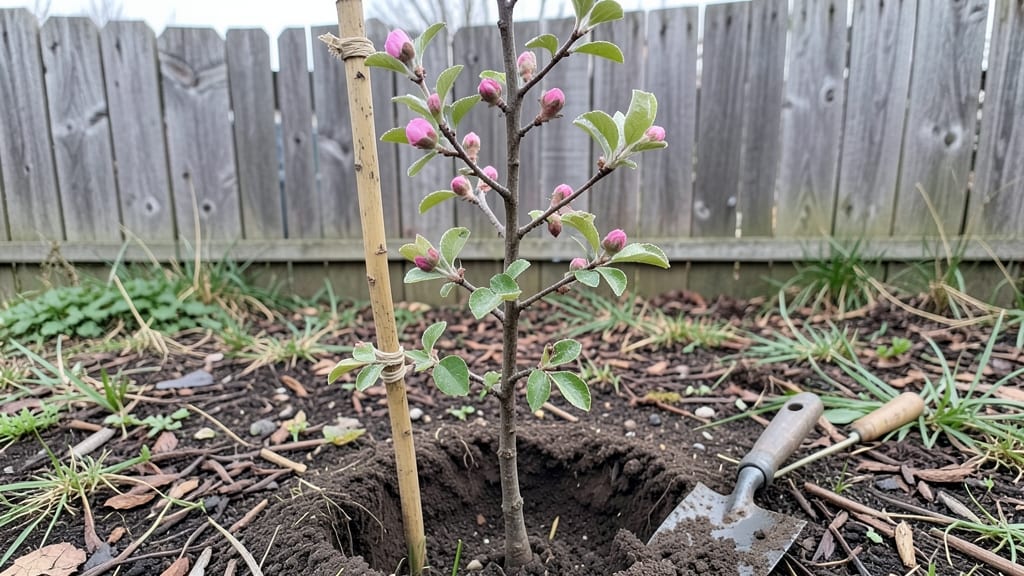
Supporting a newly planted tree isn't just about staking—it's about giving its roots the best chance to anchor deep while protecting its fragile structure from wind and weather. 🌳 I planted my first oak sapling last spring, and within three months, it stood taller and stronger than any nursery tree ever could.
The secret lies in balancing support with independence, so the tree grows upright without becoming dependent on artificial help.
You'll need a sturdy tree stake or two, soft tree ties (no wire!), mulch, and a watering can with a gentle spray nozzle. Most people overlook the ties or use them too tightly, which can girdle the trunk as it grows.
I learned that the hard way when my first sapling developed a permanent crease around its stem. The right setup takes less than 30 minutes and costs under $20, but it makes all the difference in your tree's first critical year.
By following these steps, you'll see the tree's roots spread aggressively into the soil while its trunk thickens naturally. Within 90 days, the canopy will fill out with vibrant new leaves, and the stakes will become optional—just a memory of the support that got it started.
The key is consistency: water deeply once a week (unless it rains) and check the ties every few weeks to ensure they're not cutting into the bark.
This method works for any young tree—fruit, shade, or ornamental—but pay extra attention to wind-prone areas. In my zone 6 garden, I leave stakes in through the first winter, then remove them in early spring before new growth begins.
That's when the real magic happens, and your tree starts looking like it's been there for decades.
📚 In This Guide
- What you need
- Instructions
- Tips and common mistakes
- Wrapping up and next steps
What you need
- ● Tree Stake (1-2): 2–3 feet tall, made of wood, metal, or plastic (avoid galvanized metal—it can harm roots).
- ● Tree Tie or Strap: Soft, stretchable material (e.g., Tree Tough or Tree Strap) to secure the stake without damaging the trunk.
- ● Mulch (2-3 inches): Organic mulch like wood chips, straw, or shredded bark (avoid piles touching the trunk).
- ● Watering Can or Hose: With a gentle spray nozzle for deep watering (1–2 gallons per watering session).
- ● Shovel or Spade: For digging holes or adjusting soil if needed.
- ● Pruners or Hand Saw: For trimming dead branches or shaping the tree (sterilize blades first!).
- ● Tree Guard or Protective Barrier: Plastic or metal cylinder to shield the trunk from pests or lawn equipment.
- ● Soil Amendments: Compost or mycorrhizal fungi to boost root health (mix into planting hole).
- ● Drip Irrigation System: For consistent moisture, especially in hot/dry climates.
- ● Fertilizer (Slow-Release): Balanced NPK (e.g., 10-10-10) to avoid overfeeding young trees.
Step-by-Step instructions for supporting a newly planted tree
Here’s how to give your young tree the sturdy foundation it needs to grow strong for years.
🪴 Step 1: Install a Tree Stake and Tie Correctly
Drive a single 4-foot wooden stake into the ground on the windward side of the tree—this is the direction the wind typically comes from in your area. Angle it slightly away from the tree trunk to avoid girdling as the tree grows. The stake should be placed 6-12 inches from the trunk and buried deep enough that only 18-24 inches remain above ground. This keeps the tree stable without restricting root expansion.
Use a soft tree tie (never wire or plastic strips) to secure the trunk to the stake. Loop the tie around the trunk and stake, leaving room for the tree to swell slightly as it grows. The tie should be snug but not tight—you should be able to fit one finger between the trunk and the tie. Check the tie every 4-6 weeks and loosen it if the tree outgrows the initial fit. A tight tie will strangle the trunk as it thickens.
💧 Step 2: Water Deeply and Consistently for Root Establishment
Water the tree immediately after planting and then once a week for the first 3 months, providing 10-15 gallons of water per watering. The goal is to encourage deep root growth, so water slowly over 30-60 minutes to let the moisture soak 12-18 inches deep into the soil. You’ll know you’ve watered enough when the soil feels damp 6 inches down—stick your finger in to check.
Avoid shallow watering, which only encourages roots to stay near the surface where they’re vulnerable to drought. Mulch the base of the tree with 2-3 inches of organic mulch (like wood chips) in a 3-foot diameter circle, keeping the mulch 6 inches away from the trunk to prevent rot. This helps retain moisture and regulates soil temperature, giving young roots the best chance to establish.
☀️ Step 3: Prune and Protect the Canopy for Healthy Growth
Remove any broken, crossing, or diseased branches with clean sterilized pruners, cutting just outside the branch collar where it meets the trunk. Avoid heavy pruning—only remove no more than 25% of the canopy in the first year to reduce stress. Focus on shaping the tree lightly to encourage a strong, balanced structure. Prune on a dry, overcast day to minimize sap loss and disease risk.
Protect the tree from sunburn and animal damage by wrapping the trunk with tree guard (available at garden centers) if it’s a young, thin-barked species like birch or maple. This prevents sunscald and chewing by rodents. Also, install a tree guard collar around the base to deter rabbits and deer from nibbling the bark. Check the guard every few weeks to ensure it’s still in place and adjust as the tree grows.
⏰ Step 4: Monitor and Adjust Support Over Time
After 6-12 months, reassess whether the tree still needs the stake. If the trunk is thicker than your thumb and the tree sways only slightly in the wind, it’s likely strong enough to stand alone. Remove the stake and tie gradually—cut the tie first, then pull the stake out to avoid damaging roots. If the tree is still unstable, leave the stake in place for another season but check the tie for tightness every 2-3 months.
Keep an eye out for leaning or uneven growth, which can indicate the stake is in the wrong position or the tree is struggling. If the trunk leans toward the stake, the stake may be too close—adjust it to the opposite side if needed. Also, watch for pests or disease like aphids or fungal spots on leaves. Treat issues early with neem oil or fungicide as directed to keep the tree healthy. With consistent care, your tree will develop a sturdy root system and strong canopy in no time.
Tips & tricks for supporting a newly planted tree
Here's what I wish I'd known before planting my first tree—these tricks make all the difference in giving your young tree the best chance to thrive.
Stake Placement Matters: In Step 1, when installing your 4-foot stake, pay attention to the windward side—this is where the stake does its job best. I learned this the hard way when my first tree leaned toward the stake instead of away from it. The stake should be angled slightly away from the trunk to prevent girdling as the tree grows. If you're unsure which direction is windward, observe your yard for a few days before planting.
Watering Wisdom: The 30-60 minute watering in Step 2 is crucial for deep root growth, but timing matters too. Water in the early morning so the soil has all day to absorb moisture before evaporation. I used to water in the evening and noticed the soil stayed damp longer, but this actually encouraged shallow roots. Also, check that soil dampness at 6 inches down—this is your best indicator of proper water penetration.
Tie Tightness Test: That one-finger rule for tree ties in Step 1 is non-negotiable. I've seen ties cut into trunks because they were too tight, and it's heartbreaking to watch. Every 4-6 weeks, check the tie and adjust if the tree has outgrown it. A good test is to try to slide the tie up and down the trunk—if it doesn't move easily, it's too tight.
Mulch Magic: The 2-3 inches of organic mulch in a 3-foot circle creates a microclimate that helps young roots establish. I've found that mulching right after planting (before the first watering) gives the soil time to settle and retain moisture better. Just remember to keep that mulch 6 inches away from the trunk—piling it against the trunk can cause rot. Wood chips work beautifully and break down slowly to feed the soil.
Pro Tips for Support A Newly Planted Tree
- Here's what I wish I'd known before planting my first tree—these tricks make all the difference in giving your young tree the best chance to thrive.
- Stake Placement Matters: In Step 1, when installing your 4-foot stake, pay attention to the windward side—this is where the stake does its job best.
- Watering Wisdom: The 30-60 minute watering in Step 2 is crucial for deep root growth, but timing matters too.
Frequently asked questions
Got questions about keeping your newly planted tree strong and healthy?
You’re not alone! Here are answers to the most common concerns—so you can give your tree the best start possible.
How often should I water a newly planted tree?
Water deeply once or twice a week for the first few months, depending on your climate. Aim for 1–1.5 inches of water per week—soak the root zone (not just the surface) to encourage deep root growth. Pro tip: Use a soaker hose or drip irrigation to avoid runoff.
When is the best time to plant a tree for long-term success?
Plant in early fall or late winter (before buds swell) for ideal results. Trees planted then have 6–8 weeks to establish roots before summer heat or winter cold stress them. Avoid planting during extreme temperatures—spring or summer can work if you provide extra water and shade.
Do I need to stake a newly planted tree?
Only stake if your tree is top-heavy, in a windy area, or has a shallow root system. Use flexible ties (not wire) and remove stakes after 1–2 years to avoid girdling. Most trees don’t need staking—let them sway slightly to build strength naturally!
What if my tree’s leaves turn brown or yellow?
Brown/yellow leaves often mean overwatering, underwatering, or root stress. Check the soil—it should be moist but not soggy. If leaves are crispy, water more; if wilted, water deeply. Fungal issues? Prune affected branches and avoid overhead watering.
Can I use mulch around my newly planted tree?
Yes! Apply 2–4 inches of organic mulch (wood chips, bark) in a 3-foot-wide ring around the base, but keep mulch 6 inches away from the trunk to prevent rot. Mulch retains moisture, regulates soil temp, and suppresses weeds—just replenish annually.
Wrapping up and next steps
Supporting a newly planted tree isn’t just about patience—it’s about intentional care that pays off in lush, resilient growth. 🌱 By following these steps—watering deeply, mulching wisely, and providing the right physical support—you’re giving your tree the best start for a thriving future. Celebrate every small milestone, like new leaves or sturdy roots, as proof of your hard work!
Now that you’re equipped with the know-how, take the next step: schedule a monthly check-in to monitor progress and adjust care as needed. Your tree’s success is in your hands—let’s grow something beautiful together!