Pruning
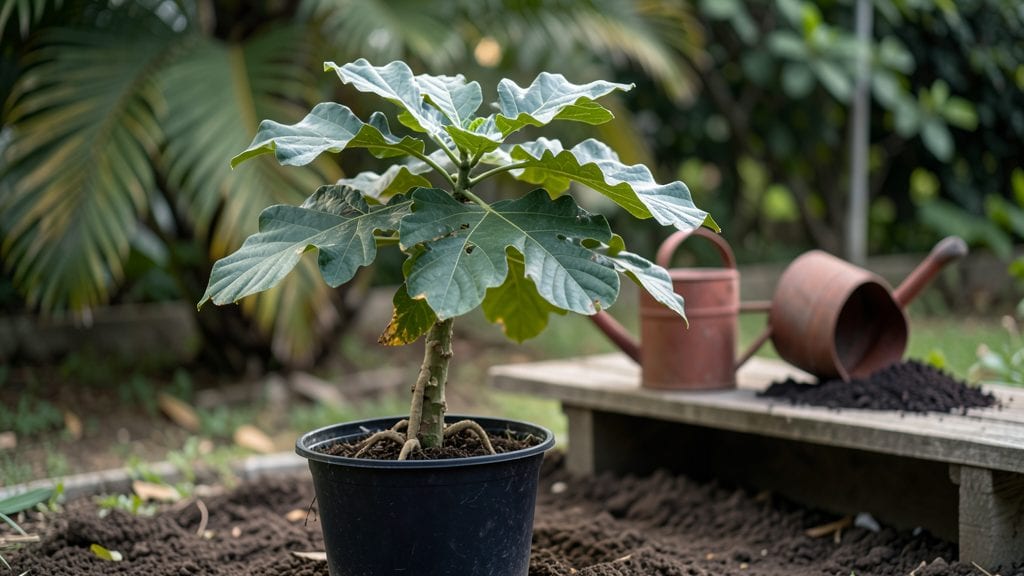
Planting a jackfruit tree starts with the right spot and soil—because this tropical giant won’t tolerate frost or soggy roots. I’ve learned the hard way that even a single cold snap can kill a young sapling, so I always plant mine in well-draining soil where temperatures stay above 60°F year-round.
The reward? A tree that grows into a 60-foot shade provider with fruit weighing up to 80 pounds. 🌿
You’ll need a sunny location with at least 8 hours of direct light daily, rich soil mixed with compost, and patience—jackfruit trees grow 3-5 feet per year, but they’re worth the wait.
Whether you start from seed or a grafted sapling, the key is keeping the roots moist but never waterlogged during the first critical months. I’ve found that container-grown seedlings transplant best in spring, giving them time to establish before summer heat arrives.
By year three, you’ll see the first signs of success: glossy, deep-green leaves and maybe even your first small fruit. The tree thrives in USDA zones 10-12, but with extra care (like winter mulching), you can push it into zone 9.
The real magic happens when the fruit matures—sweet, custard-like flesh that’s a staple in tropical cuisines. Just don’t let neighbors steal your harvest before you do!
Fair warning: jackfruit trees need space—30-40 feet apart for full growth. If you’re in a smaller yard, consider dwarf varieties or container growing (though they’ll be less productive).
The biggest mistake I’ve seen? Overwatering or planting too deep. Stick to these basics, and you’ll be enjoying tropical fruit in no time—no passport required.
📚 In This Guide
- What you need
- Instructions
- Tips and common mistakes
- Wrapping up and next steps
What you need
- ● Jackfruit seeds: 1–3 fresh, viable seeds (harvested from ripe fruit)
- ● Well-draining potting mix: 5–10 gallons (blend of coconut coir, perlite, and compost)
- ● Container or nursery pot: 1–2 gallons (minimum 12" diameter for seedlings)
- ● Pruning shears: Small, sharp pair (for trimming early growth)
- ● Watering can or hose: With a gentle spray nozzle
- ● Fertilizer: Balanced 10-10-10 or organic compost (1 tbsp per seedling)
- ● Sunlight access: Full sun (6+ hours daily) or grow lights for indoor starts
- ○ Mulch (optional but helpful): Wood chips or straw to retain moisture
- ● Soil moisture meter (to track hydration)
- ● Trellis or support stakes (for early training)
- ● Slow-release fertilizer tabs (for convenience)
- ● Humidity dome (for seedlings in dry climates)
- ● Label tags (to track planting dates)
Instructions for planting a jackfruit tree
Here’s how to get your tropical fruit tree thriving with minimal fuss.
🌱 Step 1: Choose the Right Location and Prepare the Soil
Jackfruit trees need warmth and space—think full sun and a spot with at least 20 feet of clearance for mature growth. If you’re in a cooler zone, plant near a south-facing wall to capture extra heat. The soil should drain well but still retain moisture, so avoid heavy clay unless you’ve amended it with compost.
Dig a hole twice as wide as the root ball but no deeper. Loosen the sides of the hole to encourage root spread. If your soil is sandy, mix in 3 gallons of organic compost to help retain moisture. For clay soil, add 2 gallons of perlite to improve drainage. The goal is soil that feels like a damp sponge—not soggy, not dry.
🪴 Step 2: Plant the Sapling Correctly
Remove the sapling from its container and gently loosen the roots if they’re circling. Place it in the hole so the top of the root ball sits level with the surrounding soil—burying too deep can suffocate the stem. Backfill with the amended soil, pressing lightly to remove air pockets but not compacting too tightly.
Water deeply right after planting to settle the soil and eliminate air gaps. You’ll know it’s right when water pools around the base but drains within 10-15 minutes. Mulch with 3 inches of wood chips (keep them 6 inches away from the trunk) to protect roots and retain moisture. Avoid mulch piles against the stem—they trap dampness and invite rot.
☀️ Step 3: Water and Care for the First Year
Jackfruit trees are drought-tolerant once established, but young trees need consistent moisture. Water twice a week during the first year, aiming for 1-2 gallons per watering until the soil feels 3-4 inches deep. Let the top inch dry between waterings—this encourages deep root growth. Overwatering now leads to weak stems and fungal issues.
Fertilize lightly in the first year with a balanced 10-10-10 formula applied every 3 months. Skip heavy fertilizers—they burn tender roots. Watch for yellowing leaves (too much water) or brown leaf edges (too little). Prune only to remove dead branches in the first year; let the tree focus on root and trunk development.
Tips & tricks for planting a jackfruit tree
These simple tricks will help your tropical fruit tree grow strong from day one.
Soil Test First: Before amending your soil, do a quick moisture test by digging down 3-4 inches. If it feels bone-dry, you'll need to water more frequently during the first few weeks. Sandy soil drains too fast, so I always add the full 3 gallons of organic compost to help retain moisture. For clay soil, that 2 gallons of perlite makes a world of difference—it prevents waterlogging that can suffocate roots.
Root Ball Inspection: When you remove the sapling, check for circling roots—they can strangle the tree as it grows. Use your fingers to gently tease them apart before planting. I've seen many gardeners skip this step and end up with stunted growth. If the roots are severely tangled, make a couple of vertical cuts to encourage outward growth.
Watering Wisdom: That 10-15 minute drainage test after planting is crucial. If water pools longer than 15 minutes, your hole needs better drainage—add more perlite or create a small drainage trench. And here's what nobody tells you: water deeply but less frequently. A good soak that reaches 3-4 inches down encourages deep roots, while light frequent watering keeps roots shallow and weak.
Mulching Magic: The 3 inches of wood chips isn't just decoration—it's insulation. In hot climates, it keeps roots cool; in cooler areas, it protects from temperature swings. Just remember to keep that mulch 6 inches away from the trunk. I learned this the hard way when I had a sapling develop rot from mulch piled against the stem. A 6-inch gap prevents moisture buildup while still protecting roots.
Pro Tips for Planting Jackfruit Tree
- These simple tricks will help your tropical fruit tree grow strong from day one.
- Soil Test First: Before amending your soil, do a quick moisture test by digging down 3-4 inches.
- Root Ball Inspection: When you remove the sapling, check for circling roots—they can strangle the tree as it grows.
Frequently asked questions
Got questions about growing your own jackfruit tree? Here are some of the most common concerns—and their answers—to help you plant with confidence!
When is the best time to plant a jackfruit tree?
The ideal time is during the early rainy season (spring/summer) when temperatures are warm (70–90°F) and soil is moist. In tropical climates, plant year-round, but avoid extreme heat or frost. For container growing, spring is best to maximize growth before winter dormancy.
Can I grow a jackfruit tree from seed, or should I buy a sapling?
You can grow from seed, but it takes 5–10 years to bear fruit (vs. 2–3 years for grafted saplings). Seeds may not produce true-to-type fruit. Buy a grafted sapling from a nursery for faster, more reliable results—especially if you want sweet, edible varieties like 'Golden Ice Cream' or 'Jumbo.'
Why isn’t my jackfruit tree flowering or fruiting?
Common reasons include:
- Age: Trees need 3–5 years to mature.
- Climate: Jackfruit thrives in tropical/subtropical zones (USDA 10–12). Cold snaps or dry spells can stall flowering.
- Nutrients: Lack of phosphorus (P) or potassium (K)? Fertilize with a balanced 6-6-6 or citrus-specific blend.
- Pollination: Hand-pollinate with a brush if bees are scarce.
Pro tip: Prune to encourage airflow and sunlight exposure—jackfruit trees need 6+ hours of direct sun daily.
Is jackfruit suitable for containers, or does it need a yard?
Yes! Young jackfruit trees (3–5 years old) thrive in large containers (15+ gallons) with drainage holes. Use a well-draining potting mix and repot every 2–3 years. Mature trees (10+ feet tall) need yard space, but dwarf varieties like 'Hong Kong' can stay in pots longer. Warning: Containers dry out faster—water deeply 2–3x/week in hot weather.
Do jackfruit trees attract pests? How do I prevent them?
Common pests include aphids, mealybugs, and fruit flies. Prevent issues with:
- Neem oil sprays (weekly during outbreaks).
- Beneficial insects like ladybugs or lacewings.
- Prune to improve airflow and remove infested leaves.
- Yellow sticky traps for fruit flies.
Keep soil healthy with compost to boost tree resilience!
Wrapping up and next steps
Planting a jackfruit tree is a rewarding journey that brings tropical flavors and lush greenery to your space! With the right soil, sunlight, and care, you’ll soon enjoy its fragrant flowers and delicious fruit.
Remember, patience is key—these trees thrive over time, offering shade, beauty, and a bountiful harvest for years to come.
Ready to take the next step? Start by selecting your sapling—whether from a nursery or a trusted grower—and follow the simple steps above. Before you know it, you’ll be savoring fresh jackfruit straight from your own backyard! 🌱✨