
Container Gardens
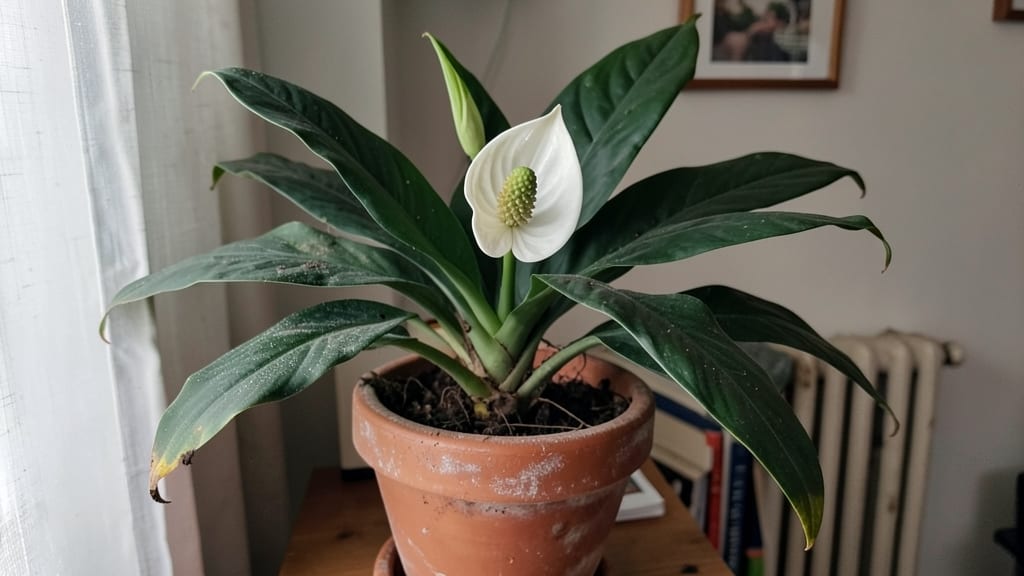
White indoor plants transform dim corners into airy, elegant spaces—especially in low-light rooms where most foliage struggles. I’ve curated a collection of low-maintenance varieties that thrive without harsh sunlight while adding a crisp, modern touch to any room.
These plants aren’t just survivors; they’re statement pieces that pair beautifully with everything from mid-century furniture to vintage decor.
The key to styling them lies in contrast: deep green leaves make white variegation pop, while metallic or matte containers enhance their clean aesthetic. Place a snake plant in a sleek black pot for drama, or cluster peace lilies in a woven basket for texture.
Their care is straightforward—water when the top inch of soil dries, and they’ll reward you with lush, glossy foliage that brightens even the gloomiest spaces.
These plants also clean the air, making them a practical choice for bedrooms or offices. A white calathea, for example, adds tropical flair while filtering toxins, while a ZZ plant stays resilient through neglect. The result? A space that feels fresh, polished, and effortlessly stylish—without sacrificing ease of care.
Whether you’re furnishing a minimalist apartment or refreshing a traditional home, these plants adapt to any setting. Start with one or two to test the look, then expand as you fall in love with their versatility. The secret to their success? Confidence in their simplicity.
📚 In This Guide
- What you need
- Instructions
- Tips and common mistakes
- Wrapping up and next steps
What you need
- ● White-flowering indoor plants (3-5 varieties): 1 Spathiphyllum (Peace Lily) – White blooms, thrives in low light
- ● 1 Anthurium (White-flowered variety) – Glossy leaves, elegant blooms
- ● 1 Zamioculcas zamiifolia (ZZ Plant) – White variegation, ultra-low light
- ● 1 Hoya carnosa (White-flowered variety) – Waxy leaves, sweet fragrance
- ● 1 Calathea orbifolia (White-patched) – Striking foliage, air-purifying
- ● Containers (3-5): 1 Ceramic pot (10-12" diameter) for ZZ Plant (well-draining)
- ● 1 Hanging basket (8-10" diameter) for Anthurium or Hoya
- ● 2 Plastic or terracotta pots (6-8" diameter) for Peace Lily & Calathea
- ● High-quality potting mix (3-5 gallons): 1 bag Well-draining mix (e.g., 60% peat/coir, 30% perlite, 10% orchid bark)
- ○ Optional: Slow-release fertilizer pellets (for nutrient boost)
- ● Basic gardening tools: 1 Trowel (for repotting)
- ● 1 Pruning shears (sterilized)
- ● 1 Spray bottle (for misting)
- ○ Decorative touches (optional but fun!): Pebbles or moss for drainage layer (½" depth)
- ● Decorative pot trays (to catch water spills)
- ● LED grow lights (if natural light is <1000 lumens/ft²)
- ● Lighting: Low to medium indirect light (e.g., north-facing window or 10-15 ft from a south/west window).
- ● Humidity: Aim for 40-60% (use a humidifier or pebble tray if air is dry).
- ● Watering schedule: Check soil moisture weekly—most white plants prefer slightly dry soil.
- ● Space: Ensure containers fit your decor (e.g., shelves, tables, or hanging spots).
Step-by-step guide to curating an indoor white plant collection
Here's how to select and arrange four striking white-blooming plants that thrive in low light.
Choose Low-Light White-Blooming Varieties
Select plants known for their resilience in dim conditions while producing white blooms. Snake plant (Sansevieria trifasciata) offers architectural white variegation, while peace lily (Spathiphyllum) delivers classic white spathe flowers. For trailing elegance, add a pothos (Epipremnum aureum) with white variegated leaves, and a white-flowering spider plant (Chlorophytum comosum 'Variegatum') for air-purifying benefits.
Each plant should have distinct growth habits—upright, trailing, or bushy—to create visual interest. Avoid species requiring direct sunlight, like white kaleidoscope aloe, which needs bright indirect light to maintain its striking foliage. Verify light requirements before purchasing, as some "white" plants are actually variegated rather than true white bloomers.
Prepare Containers and Soil Mix
Use four 6-inch terracotta pots with drainage holes to prevent root rot, a common issue with moisture-loving white-flowering plants. Fill each with a blend of 2 gallons of well-draining potting mix and 1 cup of perlite to improve aeration. Terracotta wicks moisture away from roots, which is ideal for peace lilies and spider plants that prefer consistent humidity.
Layer a 1-inch thick layer of orchid bark at the bottom of each pot to enhance drainage further. This mimics the natural forest floor conditions these plants thrive in. Avoid garden soil, which compacts and suffocates roots, leading to stunted growth or yellowing leaves—a telltale sign of poor drainage.
Plant and Position for Low-Light Success
Gently remove each plant from its nursery pot and loosen the roots if they appear tightly bound. Place the snake plant and peace lily in their pots first, ensuring the crown sits just above the soil line. For the trailing pothos and spider plant, tuck the stems into the pot and cover the roots with soil, leaving the variegated tips exposed for visual appeal.
Arrange the pots in a north-facing window or under 10-12 feet of artificial grow lights (2,700-3,000K color temperature) for 12 hours daily. Rotate the pots quarter-turn weekly to prevent leaning toward the light source. White-flowering plants often grow leggy in low light, so consistent, even exposure is key to maintaining compact, healthy foliage.
Establish a Watering and Humidity Routine
Water each plant when the top 1-2 inches of soil feel dry to the touch. Snake plants are drought-tolerant and can go 3-4 weeks between waterings, while peace lilies and spider plants prefer soil that stays lightly moist. Use room-temperature water to avoid shocking the roots, and always water until excess drains from the bottom holes.
Increase humidity by placing the pots on a pebble tray filled with water or grouping them together on a humidity tray. Mist the leaves 2-3 times weekly with a spray bottle, but avoid wetting the foliage of snake plants, which can promote fungal issues. White-blooming plants often thrive in 50-60% humidity, so a small humidifier near the arrangement works wonders in dry indoor climates.
Fertilize and Prune for Continuous Blooms
Apply a balanced liquid fertilizer (10-10-10) diluted to half-strength every 4-6 weeks during spring and summer. White-flowering plants like spider plants respond well to occasional feeding, while snake plants prefer minimal nutrients. Over-fertilizing leads to salt buildup in the soil, which can cause brown leaf tips—a common mistake with indoor plants.
Prune leggy stems or yellowing leaves immediately to encourage bushier growth. For spider plants, separate offsets when they reach 4-6 inches long and repot them to propagate your collection. Deadhead spent blooms on peace lilies to redirect energy into new flower production. Regular pruning keeps plants looking vibrant and prevents overcrowding, which can reduce air circulation and invite pests.
Tips & tricks for perfect indoor white plant arrangements
Creating a stunning indoor white plant collection isn't just about selecting the right varieties—it's about understanding their unique needs to ensure they thrive in low-light conditions.
Variety Selection Insight: When choosing your snake plant, peace lily, pothos, and spider plant, pay special attention to the specific white characteristics each offers. The snake plant's white variegation provides architectural interest, while the peace lily's white spathe flowers create focal points. For the pothos, look for true white variegation rather than pale green—this creates the most striking contrast. The spider plant's white flowers will be your most dramatic blooms, so select a healthy specimen with multiple flowering stems.
Soil Composition Strategy: The 2-gallon blend of well-draining potting mix and 1 cup of perlite is crucial for preventing root rot, which is particularly problematic for moisture-loving white-flowering plants. I recommend adding a handful of worm castings to your mix for extra nutrients without risking salt buildup. This amendment supports the peace lily and spider plant's growth while maintaining the snake plant's drought tolerance. The orchid bark layer at the bottom creates essential air pockets that mimic their natural forest floor habitat.
Light Positioning Technique: The 12-hour daily light exposure under 2,700-3,000K grow lights is perfect for maintaining compact growth in low-light conditions. I've found that placing your arrangement on a rotating plant stand (even a simple lazy Susan) makes the weekly quarter-turn rotation effortless. This prevents the plants from developing that characteristic "leggy" growth that occurs when they stretch toward a single light source. For maximum effect, position your grow lights about 18 inches above the plants—closer for more intense light, farther for gentler growth.
Watering Precision: The "top 1-2 inches dry" rule works well, but I've learned to adjust based on season and plant type. In winter, let the soil dry out slightly more between waterings, while summer may require more frequent checks. For the snake plant, I test by inserting a wooden skewer—if it comes out clean, it's time to water. For the moisture-loving peace lily and spider plant, I use my finger to check the moisture level just below the surface, as the top layer can dry quickly while deeper soil remains moist.
Pro Tips for Indoor Plants White
- Creating a stunning indoor white plant collection isn't just about selecting the right varieties—it's about understanding their unique needs to ensure they thrive in low-light conditions.
- Variety Selection Insight: When choosing your snake plant, peace lily, pothos, and spider plant, pay special attention to the specific white characteristics each offers.
- Soil Composition Strategy: The 2-gallon blend of well-draining potting mix and 1 cup of perlite is crucial for preventing root rot, which is particularly problematic for moisture-loving white-flowering plants.
Frequently asked questions
Got questions about keeping your indoor white plants thriving? You’re not alone! Here are some of the most common queries—and their easy, expert-backed answers to keep your space bright and your plants happy.
What are the best white-flowering indoor plants for low-light spaces?
Look for Spathiphyllum (peace lilies), Zamioculcas zamiifolia (ZZ plants), or Dracaena marginata (dragon trees). These varieties handle dim lighting well and often produce white blooms or variegated leaves. For extra drama, try Hoya carnosa (wax plant) with its star-shaped white flowers!
How often should I water my white indoor plants?
Watering depends on the plant, but a general rule is to check soil moisture weekly. Stick your finger 1-2 inches deep—if it’s dry, water thoroughly. ZZ plants and snake plants are drought-tolerant, while peace lilies prefer slightly moist soil. Pro tip: Overwatering is the #1 killer—always use pots with drainage holes!
Why are my white indoor plants losing leaves or turning yellow?
Yellowing leaves often signal overwatering or poor drainage. Brown, crispy edges? It’s likely underwatering or low humidity. Check light exposure too—some white plants (like peace lilies) droop if they’re too dark. Adjust care based on the plant’s needs, and consider a humidifier if your home is dry.
Can I propagate white indoor plants to expand my collection?
Many white-flowering plants like ZZ plants and pothos (with white variegation) propagate easily from stem cuttings. Snip a healthy stem, remove lower leaves, and place it in water or moist soil. Roots usually form in 2-4 weeks. Pro tip: Use a clear container to track root growth—it’s oddly satisfying!
Do white indoor plants need special light conditions?
Not necessarily! Most thrive in bright, indirect light, but some (like ZZ plants) tolerate low light. Avoid harsh direct sunlight, which can bleach leaves. Rotate your plants occasionally for even growth. If you’re in a super dim room, supplement with a grow light—your white blooms will thank you!
Wrapping up and next steps
Transforming your space with indoor white plants is easier—and more rewarding—than you think! These low-light champions not only thrive in cozy corners but also infuse your home with serene elegance and a touch of nature’s magic.
Whether you’re a seasoned plant parent or just starting your green journey, white foliage plants are your secret weapon for effortless beauty.
Ready to take the next step? Pick one plant from our guide, grab your supplies, and let your creativity bloom! 🌿✨ Start your white plant sanctuary today!