Companion Plants
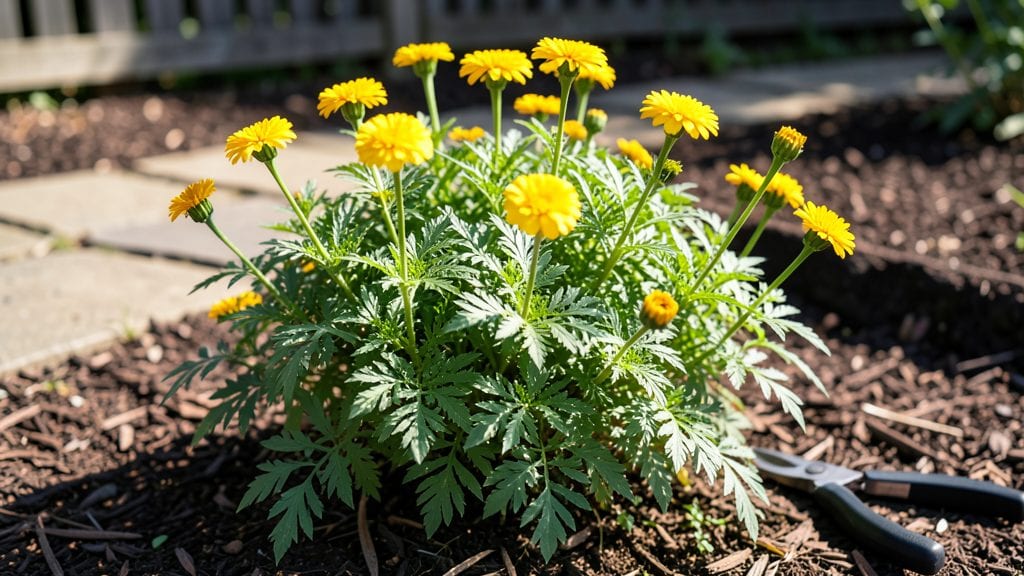
Growing lemon marigold plants transforms any garden into a fragrant fortress against pests. These bright, citrus-scented bloomers thrive in containers or garden beds, offering year-round protection while attracting pollinators. The secret lies in their adaptability—whether you're dealing with aphids, nematodes, or just want vibrant color, these plants deliver.
Start with well-draining soil and full sun, and you’ll see sturdy plants that bounce back from heat and occasional drought. Spacing them 12-18 inches apart ensures airflow while maximizing their pest-repelling benefits. Prune spent blooms regularly to encourage continuous flowering, and watch as your garden stays lush and insect-free.
By midseason, you’ll have a garden that smells like sunshine and lemons, with fewer pests and more pollinators. The bright yellow-orange blooms add a cheerful pop of color, making this a dual-purpose plant that works hard for your garden’s beauty and health.
Works equally well in raised beds, containers, or in-ground plantings, adapting to most climates. Perfect for both beginners and experienced gardeners looking to boost their garden’s resilience naturally.
📚 In This Guide
- What you need
- Instructions
- Tips and common mistakes
- Wrapping up and next steps
What you need
- ● Lemon marigold seeds or seedlings: 5–10 seeds (or 3–5 seedlings) per plant. Opt for organic, non-GMO seeds for best results.
- ● Well-draining potting mix or garden soil: For containers: A lightweight mix (e.g., 60% potting soil + 30% perlite + 10% compost).
- ● For garden beds: Amend soil with 1–2 inches of compost or aged manure for nutrients.
- ○ Containers (optional but handy): 5–10-inch pots with drainage holes (for indoor/balcony gardening).
- ● Fabric grow bags (alternative for better aeration).
- ● Organic fertilizer: A balanced 10-10-10 or 5-5-5 fertilizer (or compost tea for a natural boost).
- ● Garden trowel or small hand shovel (for transplanting seedlings).
- ● Watering can with a fine rose nozzle (to avoid disturbing soil).
- ● Spray bottle (for misting seeds during germination).
- ○ Gloves (optional, but handy for messy soil work!).
- ● Pruning shears (for trimming dead blooms or overgrowth).
- ● Sunlight: 6–8 hours of full sun daily (partial shade in extreme heat).
- ● Water: Consistent moisture (but never soggy—lemon marigolds hate wet feet!).
- ● Temperature: Ideal range: 70–85°F (21–29°C). Avoid frost (they’re annuals in cold climates!).
- ● Spacing: Containers: 1 plant per 5–6 inches of space.
- ● Garden beds: 12–18 inches apart for airflow.
Step-by-Step instructions for growing lemon marigold plants
Here's how to cultivate vibrant lemon marigolds that deter pests and brighten any garden space.
Select and Prepare the Planting Site
Lemon marigolds thrive in full sun with at least 6-8 hours of direct light daily. Choose a location with well-draining soil—they despise soggy roots. If your garden soil is heavy clay, amend it with 2-3 inches of compost mixed into the top 12 inches of soil. This improves drainage while providing essential nutrients.
Work the soil to a loose, crumbly texture, breaking up any compacted areas with a garden fork. Lemon marigolds are adaptable but perform best in slightly acidic to neutral soil with a pH between 6.0 and 7.0. Test your soil if possible, or add a handful of garden lime if your area tends toward acidity. Avoid fresh manure, which can burn tender roots.
Plant Lemon Marigold Seedlings at the Right Time
Start seedlings indoors 6-8 weeks before your last frost date or purchase established plants from a nursery. Transplant them outdoors after all danger of frost has passed and soil temperatures reach at least 60°F. Dig holes twice as wide as the root ball but no deeper than the container's depth to prevent stem rot.
Space seedlings 12-18 inches apart in rows 18-24 inches apart for optimal airflow and pest control. Gently remove plants from their containers, loosen any circling roots, and place them in the holes. Backfill with soil, firming it lightly around the base to eliminate air pockets. Water deeply immediately after planting to settle the soil and encourage root contact.
Maintain Consistent Watering and Fertilization
Water lemon marigolds 1-1.5 inches per week, keeping the soil evenly moist but never waterlogged. The key is consistency—let the top 1-2 inches of soil dry out between waterings to prevent fungal diseases. Water at the base in the morning to allow foliage to dry quickly, reducing the risk of mildew.
Feed plants every 4-6 weeks with a balanced, water-soluble fertilizer (10-10-10) diluted to half strength. Too much nitrogen promotes leafy growth at the expense of flowers. Stop fertilizing 6-8 weeks before your first frost to encourage hardiness. Mulch around plants with 2-3 inches of organic mulch to retain moisture, suppress weeds, and regulate soil temperature.
Prune and Deadhead for Continuous Blooms
Pinch back the tips of young plants when they reach 6-8 inches tall to encourage bushier growth. Regularly remove spent blooms by snipping the stem just above the first set of healthy leaves. This redirects energy to produce more flowers instead of setting seed. Lemon marigolds are prolific bloomers, but deadheading keeps them looking tidy and extends the flowering season.
If plants become leggy or overcrowded, trim back overgrown stems by one-third to rejuvenate growth. Avoid heavy pruning late in the season, as it may reduce winter hardiness. Wear gloves when handling plants, as their sap can cause skin irritation in some individuals. Always use clean, sharp pruners to prevent the spread of disease.
Overwinter Lemon Marigolds for Year-Round Benefits
In colder climates, lemon marigolds may die back to the ground but often regrow from the roots in spring. Cut back dead foliage to 2 inches above the soil line after the first frost. Apply a 3-4 inch layer of mulch to insulate roots and protect against freezing temperatures. In warmer regions, they may bloom year-round with minimal care.
If you live in a zone with hard freezes, consider growing lemon marigolds as annuals and replanting each spring. Their pest-repelling properties make them a worthwhile investment even if they don’t overwinter. In early spring, remove old mulch, fertilize lightly, and water sparingly until new growth appears. You’ll often see fresh shoots within 2-3 weeks of warming temperatures.
Tips & tricks for perfect lemon marigold cultivation
These essential insights will help you transform your garden into a pest-free paradise with vibrant lemon marigolds that thrive year after year.
Sunlight Strategy: The 6-8 hours of direct sunlight specified in Step 1 is non-negotiable for lemon marigolds. I've found that morning sun paired with afternoon shade in hot climates actually produces more blooms than full afternoon sun alone. Consider using shade cloth during peak summer hours if your region experiences intense afternoon heat above 90°F.
Soil Preparation Insight: When amending heavy clay soil with 2-3 inches of compost in Step 1, don't just scratch it in - mix it thoroughly into the top 12 inches using a broadfork. This creates ideal rooting conditions while preventing waterlogging. I've seen marigolds struggle in poorly amended soil where roots can't penetrate compacted layers.
Transplanting Timing: The critical soil temperature threshold of 60°F in Step 2 is your best indicator for successful transplanting. Use a soil thermometer for accuracy - colder soils slow root establishment. I've learned the hard way that rushing transplanting before reaching this temperature often results in stunted growth as plants struggle to establish roots.
Watering Wisdom: The 1-1.5 inches per week guideline in Step 3 works perfectly in most climates, but adjust for your specific conditions. In containers, you may need to water every 2-3 days regardless of rainfall. The key is maintaining that even moisture while preventing soggy soil - lemon marigolds are surprisingly drought-tolerant once established.
Pro Tips for Lemon Marigold Plants
- These essential insights will help you transform your garden into a pest-free paradise with vibrant lemon marigolds that thrive year after year.
- Sunlight Strategy: The 6-8 hours of direct sunlight specified in Step 1 is non-negotiable for lemon marigolds.
- Soil Preparation Insight: When amending heavy clay soil with 2-3 inches of compost in Step 1, don't just scratch it in - mix it thoroughly into the top 12 inches using a broadfork.
Frequently asked questions
Got questions about growing lemon marigold plants? You’re not alone! Here are answers to the most common queries—from planting tips to pest control—so you can keep your garden thriving year-round.
When is the best time to plant lemon marigolds?
Plant lemon marigolds in early spring after the last frost (around USDA Zones 7-10) or in late summer for a fall/winter harvest. They thrive in warm soil (60°F+), so avoid planting too early in cold climates. For containers, start seeds indoors 4-6 weeks before the last frost for a head start!
How do lemon marigolds repel pests naturally?
These powerhouses release limonene and other compounds that deter pests like aphids, whiteflies, and even nematodes. Plant them near vegetables (tomatoes, peppers, beans) or scatter seeds in borders. The strong citrus scent confuses pests—no chemicals needed!
How long does it take for lemon marigolds to bloom?
From seed, expect 6-8 weeks to first blooms, but transplants may flower in 4-6 weeks with proper care. Deadhead spent blooms to encourage nonstop blooming through fall. In warm climates (Zones 8-10), they may even rebloom in winter with minimal frost.
Can lemon marigolds survive winter?
In cold climates (Zones 5-7), they’re annuals—plant new seeds each spring. In mild winters (Zones 8+), they may persist as perennials. Mulch heavily in fall to protect roots, and consider container growing to move plants indoors during freezes.
What can I substitute if lemon marigolds aren’t available?
Try these pest-repelling alternatives:
- French marigolds (Tagetes patula) – Shorter, great for borders.
- Mexican marigolds (Tagetes lucida) – Stronger scent, edible leaves!
- Basil or thyme – Mild pest deterrents for containers.
- Garlic/chives – Plant near roses or veggies for extra protection.
Why are my lemon marigold leaves turning yellow?
Yellow leaves usually mean overwatering (they hate soggy soil!) or nutrient deficiency (feed with balanced fertilizer every 4-6 weeks). Check drainage—if roots sit in water, repot or improve soil. Lower leaves yellowing? It’s normal aging; trim them to redirect energy to blooms.
Wrapping up and next steps
Growing lemon marigold plants is a game-changer for any garden—whether you're chasing natural pest control, vibrant blooms, or a burst of citrusy charm! 🌿 These hardy companions thrive with minimal fuss, offering year-round benefits and a fragrant touch.
Now that you’re armed with tips on planting, care, and troubleshooting, it’s time to roll up your sleeves and get growing.
Ready to transform your garden? Start by picking your spot today—whether it’s a sunny windowsill, balcony container, or backyard bed. Plant your first seeds or seedlings this weekend, and soon, you’ll be harvesting pest-repelling blooms and maybe even a few edible leaves for tea! 🌟