Vegetables
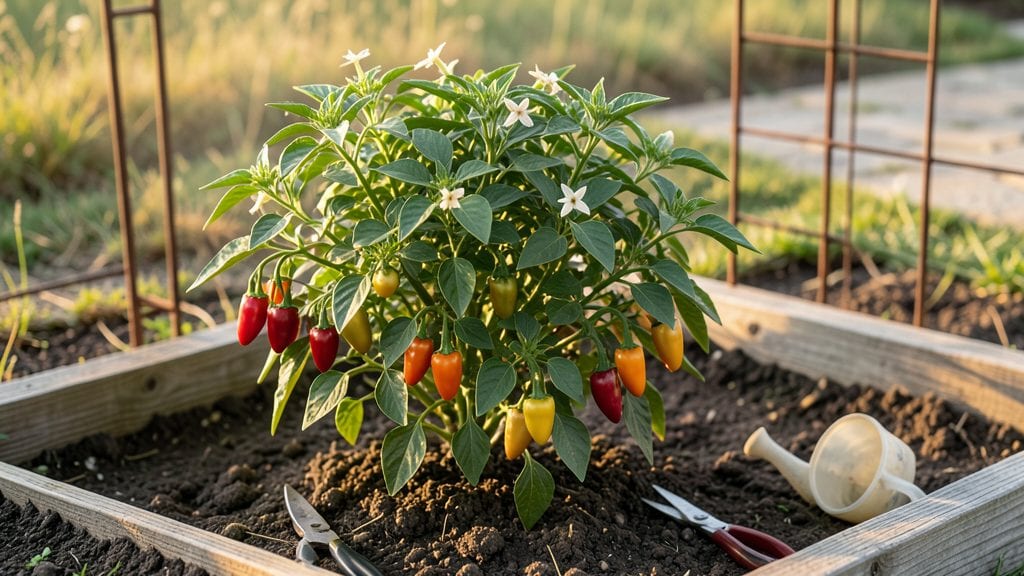
Growing a Lesya pepper plant delivers sweet, juicy peppers in just 60 days—faster than most varieties and perfect for small gardens or containers. 🌱 I learned the hard way that patience pays off when you start seeds indoors in early spring, giving them a head start before transplanting.
The key lies in balancing warmth and moisture without overwatering, which can lead to blossom end rot.
Lesya peppers thrive in full sun and well-draining soil with a pH between 6.0 and 7.0. They’re heat-tolerant but need consistent moisture, especially during fruit development. A 5-gallon container works for one plant, making them ideal for patios or balconies.
Fertilize lightly every 3-4 weeks with a balanced organic fertilizer to avoid overfeeding, which can reduce fruit quality.
By mid-summer, you’ll be harvesting bright red, blocky peppers with a sweet, slightly tangy flavor—great for fresh eating or roasting. The plants stay compact (about 2 feet tall) and produce prolifically if pruned properly.
Even in cooler climates, they deliver a fast, reliable harvest when given the right care.
Common issues like stunted growth or cracked peppers usually stem from inconsistent watering or poor soil drainage. Lesya peppers are forgiving once established, but they reward attention with bold flavor and speed. Start yours today for a summer of homegrown goodness!
📚 In This Guide
- What you need
- Instructions
- Tips and common mistakes
- Wrapping up and next steps
What you need
- ● Lesya pepper seeds – 10-15 seeds (or 1-2 plants if buying seedlings). Look for heirloom or organic seeds for best flavor.
- ● Seed-starting trays or biodegradable pots – 5-6 small cells (2-3 inches deep) for seedlings.
- ● Seed-starting mix – 1 small bag (1-2 quarts). Use a light, sterile mix (avoid garden soil—it’s too dense!).
- ● Grow lights or sunny windowsill – 12-16 hours of light daily (south-facing window or LED grow lights work best).
- ● Spray bottle – For gentle watering of seedlings.
- ● Fertilizer – Balanced liquid fertilizer (5-5-5 or 10-10-10) or compost tea for organic growers.
- ● Large pots or garden bed – 5-gallon containers or 12+ inches deep (Lesya peppers love space!).
- ● Well-draining potting soil – 1-2 bags (mix with perlite or vermiculite for aeration).
- ● Stakes or cages – 1-2 per plant (peppers get heavy!).
- ● Pruning shears – For harvesting and shaping the plant.
- ● Heat mat – Speeds up germination (keep soil at 75-85°F).
- ● Mulch – Straw or shredded leaves to retain moisture.
- ● Epsom salt – 1 tbsp per gallon of water (boosts magnesium for fruit production).
- ● Pest deterrents – Neem oil or companion plants (basil/marigolds).
- ● Garden journal – Track growth stages, watering, and harvest dates!
Step-by-step instructions for growing Lesya peppers from seed
Here’s how to coax bold, early harvests from Lesya peppers—no greenhouse needed.
🌱 Step 1: Start Seeds Indoors with Warmth and Moisture
Fill the 2-3 inch deep seed-starting trays with 3 gallons of moistened seed-starting mix—press it down lightly so it’s firm but not compacted. Lesya peppers germinate best at 75-85°F, so place the tray on a seedling heat mat or in a warm spot like on top of the fridge. Drop 4-5 seeds per cell (they’re tiny, so don’t worry about spacing yet) about ¼ inch deep—any deeper and they’ll struggle to break through.
Mist the surface with a spray bottle until the mix is evenly damp, then cover the tray with a clear plastic humidity dome or plastic wrap. Check daily—condensation should form on the inside, but if it’s dripping, remove the cover for 10 minutes to let excess moisture escape. Germination takes 7-14 days (longer in cooler rooms), so be patient. Once sprouts appear, remove the cover immediately to prevent damping-off.
☀️ Step 2: Provide Bright Light and Prevent Leggy Growth
The moment those first cotyledons (the tiny round leaves) appear, move the tray under a grow light positioned 2-4 inches above the seedlings. Lesya peppers need 14-16 hours of light daily—a south-facing window won’t cut it unless it’s brutally sunny. You’ll know your light is right when seedlings grow sturdy stems with leaves spaced ½ inch apart (not stretched thin and pale).
Rotate the tray a quarter turn daily so plants don’t lean toward the light. If stems grow longer than 3 inches before true leaves form, your light’s too far away. Thin to 1 seedling per cell once they have 2 sets of true leaves, snipping the weakest at the base with clean scissors. This reduces competition and gives your keepers room to grow.
🪴 Step 3: Transplant to Larger Pots for Stronger Roots
When seedlings have 4-5 true leaves (about 4-6 weeks after sowing), gently remove them from the tray and tease apart the roots if they’re tangled. Fill the 5-gallon containers with 5 gallons of potting mix mixed with 1 cup of compost, leaving 1 inch of space at the top. Dig a hole twice as wide as the root ball and place each seedling in, firming soil around the base to eliminate air pockets.
Water deeply until moisture runs out the drainage holes, then let the soil dry slightly before watering again. Place pots in a sunny spot (or under grow lights) where they’ll get 6+ hours of direct sun daily. Lesya peppers thrive in 65-85°F—if nights dip below 55°F, move them indoors or cover with a frost blanket to protect tender foliage.
✂️ Step 4: Prune and Fertilize for Maximum Yield
When plants reach 12 inches tall, pinch off the top set of leaves to encourage bushier growth. This isn’t pruning—it’s redirecting energy to produce more branches and fruit. Once flowers appear, apply the balanced fertilizer (mixed at ½ strength) every 2 weeks to fuel development. Lesya peppers are prolific, so side-dress with 1 cup of compost when flowers form to boost soil nutrients.
Watch for first peppers in 60-70 days—they’ll start small and green, then turn red as they ripen. Harvest when fully colored for peak flavor, but don’t wait too long: Lesya peppers soften quickly once ripe. Pinch off any side shoots that form in leaf axils after the main stem to keep energy focused on fruit production.
💧 Step 5: Water and Maintain Through Harvest Season
Lesya peppers hate soggy roots, so water deeply 2-3 times weekly—only when the top 1-2 inches of soil feel dry. Use a drip irrigation system or water at the base to avoid wetting leaves (this prevents fungal diseases). In 90°F+ heat, increase watering to daily to keep soil consistently moist but not waterlogged.
As peppers ripen, you’ll need to harvest every 2-3 days to encourage more production. Store freshly picked Lesya peppers in the fridge for up to 1 week or dry them for long-term storage. If plants look stressed (yellowing leaves, wilting), they’re thirsty or need more light—adjust immediately. With this care, you’ll get 4-6 pounds of peppers per plant by late summer.
Tips & tricks for growing bold Lesya peppers
Here's how to accelerate your harvest while avoiding the most common pitfalls with this fast-growing variety.
Germination Temperature: The 75-85°F range is critical for breaking dormancy—if your room runs cooler, place the seed-starting tray on a seedling heat mat or even on top of your fridge. I've seen germination times stretch to 21 days in rooms below 70°F, so don't be impatient! Once those first sprouts appear, remove the humidity dome immediately to prevent damping-off disease from forming on tender seedlings.
Light Positioning: That 2-4 inch distance from grow lights isn't arbitrary—it creates the perfect balance between sturdy growth and legginess. If your seedlings develop stems longer than 3 inches before true leaves form, your light is too far away. I recommend adjusting the height every few days as seedlings grow, keeping the light just above the tallest leaves. This prevents that classic "reaching" look while ensuring strong stems that can support future fruit.
Transplanting Technique: When moving to 5-gallon containers, focus on the root ball—not just the top of the plant. Tease apart any tangled roots gently with your fingers, then place the seedling so the soil line sits just below the container's rim. This prevents stem rot while giving roots room to expand. After transplanting, water deeply until you see moisture running out the drainage holes—this ensures complete root contact with the new soil.
Fertilizer Timing: The 2-week interval for balanced fertilizer is perfect for Lesya peppers, but here's the secret: always apply it to moist soil. Dry soil can burn tender roots, and Lesya peppers are particularly sensitive to this. I recommend mixing the fertilizer with water first, then using a watering can to distribute it evenly around the base of the plant. This also helps prevent salt buildup that can occur with dry applications.
Pro Tips for Lesya Pepper Plant
- Here's how to accelerate your harvest while avoiding the most common pitfalls with this fast-growing variety.
- Germination Temperature: The 75-85°F range is critical for breaking dormancy—if your room runs cooler, place the seed-starting tray on a seedling heat mat or even on top of your fridge.
- Light Positioning: That 2-4 inch distance from grow lights isn't arbitrary—it creates the perfect balance between sturdy growth and legginess.
Frequently asked questions
Got questions about growing or using Lesya pepper plants? You’re not alone!
Here are answers to the most common queries—from planting tips to troubleshooting—so you can grow bold, flavorful peppers with confidence.
How long does it take for Lesya peppers to mature and produce fruit?
The Lesya pepper is a fast-growing variety, delivering its first harvest in just 60–70 days from transplant. With ideal conditions (full sun, warm soil, and consistent watering), you’ll see vibrant red, orange, or yellow peppers ready to pick in about 2–3 months. Early blooms mean early rewards—perfect for impatient gardeners!
How often should I water Lesya pepper plants, and what’s the best method?
Water Lesya peppers deeply 1–2 times per week, aiming for 1–1.5 inches of water total. Avoid overhead sprinkling to prevent fungal diseases—opt for drip irrigation or soaker hoses at the base. Let the top inch of soil dry out between waterings, and always ensure good drainage to avoid root rot.
What pests or diseases commonly affect Lesya peppers, and how do I prevent them?
Lesya peppers are hardy but can attract aphids, spider mites, or powdery mildew. Prevent issues with:
- Neem oil spray (weekly preventative)
- Row covers for early-season pests
- Crop rotation to avoid soil-borne diseases
- Prune crowded foliage for airflow
Can I grow Lesya peppers in containers, and what’s the ideal pot size?
Lesya peppers thrive in 5-gallon containers or larger (at least 12–18 inches deep). Use a well-draining potting mix with added compost, and place pots in full sun (6+ hours daily). If growing multiple plants, space them 18–24 inches apart for airflow. Containers dry out faster—water more frequently in hot weather.
What can I do if my Lesya peppers stop producing fruit?
Fewer peppers? Check these fixes:
- Pollination boost: Gently shake plants or use a small brush to transfer pollen (especially helpful in greenhouses).
- Fertilize: Switch to a low-nitrogen, high-phosphorus fertilizer (like 5-10-10) to encourage fruiting.
- Prune: Remove excess leaves shading fruit or overcrowding.
- Check temps: Peppers need 70–85°F to set fruit—use row covers if nights dip below 55°F.
Wrapping up and next steps
Growing your own Lesya pepper plant is a rewarding journey that brings bold flavors to your table in just 60 days! With the right care—sunlight, well-draining soil, and patience—you’ll enjoy a bountiful harvest of spicy, versatile peppers perfect for cooking or gifting.
Whether you’re a beginner or seasoned gardener, this fast-growing variety makes it easy to elevate your dishes with homegrown heat.
Ready to take the next step? Grab your seeds, follow the steps, and watch your garden (and taste buds!) thrive. Happy planting—your kitchen’s about to get a delicious upgrade! 🌱🔥