
Diseases
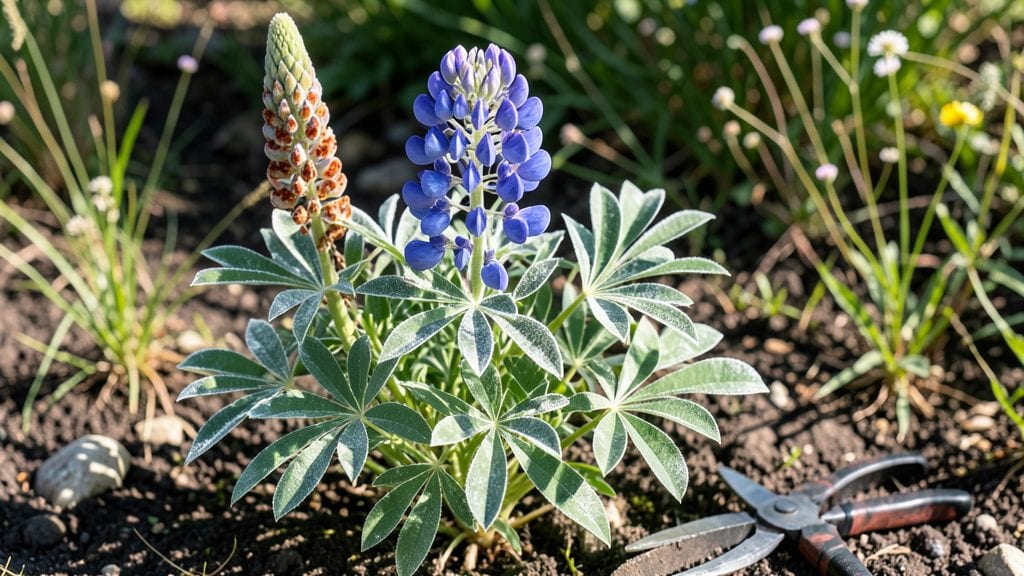
Lupine plant diseases can turn vibrant blue spikes into sad, crumbling messes—unless you catch them early. 🌿 I’ve watched my own lupines go from showstoppers to sad, spotted shadows in just weeks, and I learned the hard way that prevention is easier than cleanup.
These hardy perennials are tough, but fungal threats like rust and powdery mildew don’t give them a chance if you’re not ready.
The real culprits are usually too much moisture, poor air circulation, or planting them in spots that stay damp too long. My first year, I ignored the warning signs—yellowing leaves, black spots—until my plants were half-dead.
Now I check them weekly after rain and adjust my watering schedule to keep the soil just moist, not soggy. The right mix of spacing, sunlight, and timing makes all the difference.
By the time you finish reading, you’ll spot the early signs of rust, leaf spot, or wilt before they spread. A quick spray with neem oil or baking soda mix can save your plants, and I’ll show you exactly how to do it without harming bees or butterflies.
The key is acting fast—once those spores take hold, even the hardiest lupines struggle to recover.
This works for both garden beds and containers, and I’ll cover when to pull the plug on a hopeless plant versus giving it one last chance. Let’s get those lupines thriving again—no more sad spikes in your summer borders.
Root Causes Behind Lupine Troubles
Lupines are hardy, nitrogen-fixing powerhouses—but even they aren’t immune to fungal foes. Understanding why these diseases strike is the first step to protecting your plants. Below, we break down the primary triggers behind lupine plant diseases, from environmental sneaky culprits to human habits that invite trouble.
Fungal pathogens like Phytophthora and Fusarium thrive in soggy soil, where excess moisture suffocates roots and creates the perfect breeding ground. Here’s why it happens:
- Waterlogged roots cut off oxygen, weakening lupines and making them vulnerable to root rot. Fungi latch onto stressed tissue like a parasite on a weakened host. - Compacted or clay-heavy soil traps moisture, preventing roots from drying between waterings.
Lupines prefer well-draining soil (sandy loam is ideal). - Overhead irrigation (like sprinklers) splashes fungal spores onto leaves, accelerating infections like powdery mildew or downy mildew.
Actionable fix: Test your soil’s drainage—dig a hole, fill it with water, and time how long it takes to drain. If it sits for >6 hours, amend with perlite or compost to improve aeration.
Many lupine diseases—such as anthracnose or rust—are spore-borne, meaning they hitchhike on wind, water, or even garden tools. Here’s how they invade:
- Wind-blown spores land on leaves, especially in dense plantings where airflow is restricted. Rust fungi (Uromyces spp.) are notorious for jumping from infected lupines to nearby crops. - Contaminated tools or compost spread pathogens.
For example, pruners used on infected plants can transfer Botrytis (gray mold) to healthy stems. - Previous infestations in the same spot leave behind dormant spores in the soil. Some fungi, like Verticillium wilt, can survive for years in organic matter.
Actionable fix: Rotate planting locations every 3–4 years and sterilize tools with 70% isopropyl alcohol or a bleach solution (1 part bleach to 9 parts water).
Fungi love warm, damp conditions—think of them as tropical vacationers that overstay their welcome. Lupines often suffer when:
- Cool, wet springs (50–70°F) slow lupine growth while favoring fungal germination.
Powdery mildew, for instance, spreads aggressively in humidity >75% with temps between 60–80°F. - Sudden temperature swings (e.g., hot days + cool nights) stress plants, making them more susceptible to bacterial or fungal infections. - Stagnant air in thick foliage traps moisture, creating microclimates perfect for gray mold (Botrytis cinerea).
Actionable fix: Space lupines 12–18 inches apart for airflow and avoid watering in the evening. Use row covers in humid climates to reduce spore spread.
Lupines that are nutrient-deficient or stressed become easy targets. Key deficiencies that invite disease:
- Nitrogen (N) deficiency (yellowing leaves) reduces vigor, making plants more prone to root rot or leaf spot diseases.
- Phosphorus (P) or potassium (K) imbalances weaken cell walls, allowing fungi like Alternaria to penetrate tissues more easily.
- Over-fertilizing with nitrogen can lead to excessive leaf growth, which shades lower leaves and promotes moisture retention—a fungal buffet.
Actionable fix: Test soil pH (lupines prefer 6.0–7.0) and amend with balanced fertilizer (e.g., 10-10-10). Avoid high-nitrogen fertilizers late in the season.
Some pests directly damage lupines, while others spread fungal spores like tiny disease couriers. Watch for:
- Aphids excrete honeydew, a sugary film that fosters sooty mold (a secondary fungal growth).
- Slugs and snails create wounds on stems/leaves, giving fungi like Botrytis a foothold.
- Root-knot nematodes weaken roots, making lupines more susceptible to Fusarium wilt.
Actionable fix: Use neem oil for aphids or diatomaceous earth for slugs. Plant marigolds nearby—they repel nematodes naturally.
Fungal spores hibernate in plant debris, ready to pounce when conditions improve.
Common oversights: - Leaving infected leaves/stems in the garden over winter acts as a spore reservoir for next season. - Mulching too heavily (especially with untreated wood chips) can trap moisture and harbor Armillaria (shaggy mushroom root rot). - Not cleaning up fallen lupine pods—some diseases, like powdery mildew, overwinter in seed pods.
Actionable fix: Remove and destroy (don’t compost!) diseased plant material. Use straw mulch (not wood chips) to improve airflow.
Quick Fixes for Lupine Fungal Woes
When fungal diseases strike your lupines, acting fast is key to saving your plants. Below are practical, step-by-step solutions tailored to the most common fungal threats, along with prevention tips to keep your lupines thriving.
Cause: Erysiphe alphitoides thrives in humid, shaded conditions, leaving a white, powdery residue on leaves.
How to Treat It:
- 🧼 Prune & Clean – Snip off heavily infected leaves (sterilize shears with rubbing alcohol) and dispose of them in the trash, not the compost.
- 💦 Spray with Baking Soda Mix – Combine 1 tsp baking soda + 1 quart water + a few drops of dish soap (as a surfactant). Spray undersides of leaves thoroughly every 5–7 days until symptoms fade.
- 🌿 Improve Airflow – Space plants 12–18 inches apart and avoid overcrowding. If growing in containers, thin out stems.
- ☀️ Boost Sunlight – Move lupines to a sunnier spot (6+ hours of direct light) to reduce humidity buildup.
💡 Prevention Tip: Apply neem oil spray (1 tbsp neem oil + 1 quart water) before symptoms appear if mildew is recurrent.
Cause: Phytophthora or Fusarium fungi from overwatering or poor drainage, turning roots black and mushy.
How to Treat It:
- ⏰ Stop Watering Immediately – Let the soil dry out completely for 3–5 days before resuming a watering schedule.
- 🪴 Repot Infected Plants – Gently remove the plant, trim blackened roots with sterilized scissors, and repot in fresh, well-draining soil (mix in perlite or sand).
- 💧 Adjust Watering Habits – Water only when the top 1–2 inches of soil are dry. Use a moisture meter if needed.
- 🧴 Fungicide Treatment – Drench roots with copper fungicide (follow label rates) or a hydrogen peroxide solution (1 part 3% H₂O₂ to 9 parts water).
💡 Prevention Tip: Plant lupines in raised beds or containers with drainage holes, and avoid soggy soil.
Cause: Alternaria or Septoria fungi create dark brown spots with yellow halos, often from splashing water.
How to Treat It:
- ✂️ Remove Infected Leaves – Cut off spotted leaves (sterilize tools!) and destroy them. Avoid composting.
- 🌧️ Water at the Base – Use a soaker hose or drip irrigation to keep foliage dry.
- 🍄 Fungicide Spray – Apply copper-based fungicide or potassium bicarbonate (2 tbsp per gallon of water) every 10–14 days.
- 🌱 Boost Plant Health – Fertilize with a balanced, low-nitrogen fertilizer (10-10-10) to strengthen defenses.
💡 Prevention Tip: Space lupines 6+ inches apart to improve airflow and reduce fungal spread.
Cause: Uromyces fungi create orange pustules on leaves, weakening the plant.
How to Treat It:
- 🔥 Burn or Bag Infected Debris – Remove all rust-covered leaves and burn them (or seal in a plastic bag for trash pickup).
- 🧴 Apply Fungicide – Spray with sulfur-based fungicide (follow instructions) or neem oil (repeat every 7–10 days).
- 🌿 Rotate Plant Locations – Avoid planting lupines in the same spot next year to break the fungal cycle.
- 🌱 Strengthen Resilience – Mulch with straw or pine needles to improve soil health and reduce spores.
💡 Prevention Tip: Disinfect tools between pruning sessions with 70% isopropyl alcohol.
✅ Inspect plants weekly for early signs of fungal growth. ✅ Avoid overhead watering—use drip irrigation or water at the base. ✅ Rotate crops—don’t plant lupines in the same spot yearly. ✅ Improve soil drainage—amend clay soil with compost or sand. ✅ Choose resistant varieties—some lupine cultivars (like Lupinus polyphyllus) tolerate diseases better.
🎯 Final Pro Tip: If diseases persist, test your soil pH—lupines prefer 6.0–7.0. Adjust with lime (to raise pH) or sulfur (to lower it) if needed.
With these targeted fixes, your lupines can bounce back stronger—and stay disease-free for seasons to come! 🌿✨
Frequently asked questions about lupine plant diseases
Why do my lupine leaves develop white powdery spots?
That’s likely powdery mildew, caused by the fungus Erysiphe alphitoides. It thrives in humid, shaded conditions where airflow is poor. Prune infected leaves immediately, then spray with a baking soda mix (1 tsp baking soda + 1 quart water + dish soap) every 5–7 days. Move plants to sunnier spots and space them 12–18 inches apart to prevent recurrence.
Can I save a lupine with black, mushy roots?
If roots are rotting from Phytophthora or Fusarium, act fast! Stop watering for 3–5 days, then repot in fresh, well-draining soil mixed with perlite. Trim all blackened roots with sterilized scissors and apply a copper fungicide. For severe cases, consider propagating from healthy stems instead.
How do I prevent rust fungus on lupine leaves?
Rust (Uromyces spp.) spreads via spores, so remove and burn or bag infected leaves immediately. Apply sulfur-based fungicide or neem oil every 7–10 days during damp weather. Rotate planting locations yearly and disinfect tools with 70% isopropyl alcohol to break the fungal cycle.
Are chemical fungicides safe for lupines?
Most copper-based or potassium bicarbonate fungicides are lupine-safe when used as directed. Avoid harsh chemicals like chlorinated fungicides, which can harm beneficial soil microbes. For organic options, try neem oil or a 1% hydrogen peroxide solution (1 part 3% H₂O₂ to 9 parts water). Always test sprays on a small leaf first.
When should I pull out a severely diseased lupine?
If more than 50% of leaves are infected with rust, spots, or mildew—and the plant isn’t responding to treatment—it’s best to remove it. Bag the plant (don’t compost!) and sterilize the soil with a solarization method (cover with clear plastic for 4–6 weeks in summer heat) to kill spores. Replace with a resistant variety like Lupinus polyphyllus.