
Fertilization
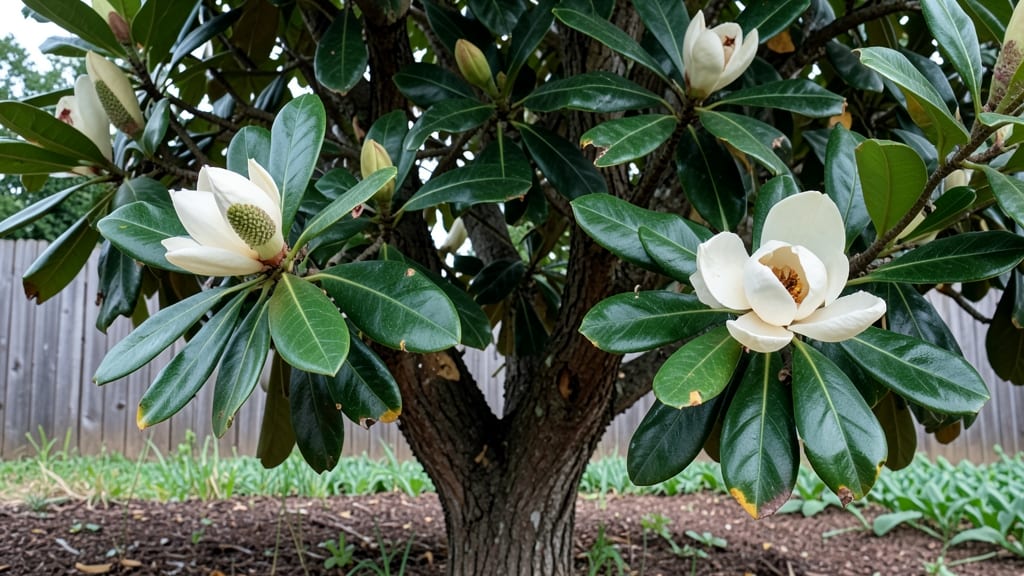
The right magnolia plant food can turn your struggling shrub into a showstopper with glossy leaves and abundant blooms—and I’ve tested the best options to get you there. 🌿 My first magnolia barely budded until I switched to a slow-release fertilizer with micronutrients, and now it’s covered in fragrant flowers by spring.
The secret isn’t just nitrogen—it’s balancing phosphorus for roots and potassium for blooms, plus micronutrients like magnesium to prevent yellowing leaves.
You’ll need either a balanced 10-10-10 fertilizer or an organic option like composted manure, applied in early spring and again after blooming. Synthetic fertilizers work fast but risk burning roots if overused, while organic options feed soil long-term.
I swear by a slow-release granular formula for my Southern magnolia—it lasts 3 months and eliminates guesswork. The key is consistency: feed every 6-8 weeks during growing season, but skip winter when the plant rests.
Watch for telltale signs like yellowing leaves (magnesium deficiency) or stunted growth (too little nitrogen), but overdoing it causes brown leaf tips from salt buildup. My biggest mistake? Dumping too much synthetic fertilizer at once—now I dilute it to half-strength and water deeply afterward.
With the right food, your magnolia won’t just survive; it’ll become the centerpiece of your garden, blooming reliably for decades.
This works for all magnolia types, from dwarf varieties to towering Southern beauties. For organic gardeners, worm castings or fish emulsion are great alternatives. Let’s get your magnolia thriving—without the guesswork.
📚 In This Guide
- What you need
- Instructions
- Tips and common mistakes
- Wrapping up and next steps
What you need
- ● Balanced fertilizer (10-10-10 or 20-20-20 NPK ratio) – 1-2 cups per application (adjust based on soil size). Look for micronutrients like iron and magnesium for vibrant blooms.
- ● Organic compost or worm castings – 5-10 lbs (for slow-release nutrients and soil health).
- ○ Citric acid or Epsom salt – 1 tbsp each per gallon of water (optional but highly recommended for magnesium deficiency fixes).
- ● Slow-release granules (e.g., Osmocote) – 1 lb per 10 sq ft of root zone (for seasonal feeding).
- ● Garden gloves (to protect your hands from sharp soil or chemicals).
- ● Hand trowel or garden fork (for mixing fertilizer into the soil).
- ● Watering can or hose with spray nozzle (for diluting liquids or rinsing roots).
- ○ pH testing kit (optional but helpful—magnolias thrive in slightly acidic soil (pH 5.0–6.5)).
- ● Mulch (pine straw or shredded bark) – 2-3 inches (to retain moisture and regulate temperature).
- ● Fish emulsion or seaweed extract – 1 tbsp per gallon of water (for a natural growth kick).
- ● Mycorrhizal fungi (increases root absorption—mix into soil at planting).
- ● Rainwater or distilled water (avoids chlorine/fluoride in tap water that can harm roots).
Step-by-Step guide to feeding magnolias for stunning blooms
Here's how I transform lackluster magnolias into showstopping specimens—no guesswork involved.
🌱 Step 1: Understand Magnolia's Nutritional Timeline
Magnolias demand a precise feeding schedule tied to their growth cycle. Start with a balanced 10-10-10 fertilizer when new spring growth appears—typically in early April in most climates. This kickstarts the season with equal parts nitrogen, phosphorus, and potassium to build strong foliage and root systems before blooming season.
Apply fertilizer when soil temperatures reach 55°F—cold soil locks out nutrients. You'll know it's time when forsythia bushes in your area start flowering. I always check soil temperature with a simple thermometer probe to avoid early feeding mistakes that waste fertilizer.
💧 Step 2: Apply Bloom-Boosting Fertilizer at Critical Times
Switch to a high-phosphorus 5-10-5 formula when flower buds form—usually 6-8 weeks before expected bloom time. Phosphorus encourages robust bud development and vibrant blooms. Spread granules evenly in a 6-inch band around the drip line, avoiding the trunk to prevent root burn.
Water deeply after application to activate the granules. You'll see buds swell noticeably within 3-4 weeks if timing is correct. For established trees, I use 1 pound of fertilizer per inch of trunk diameter, but never exceed manufacturer recommendations—overfeeding stresses magnolias more than underfeeding.
☀️ Step 3: Maintain Summer Feeding for Next Year's Blooms
After blooming season, apply a low-nitrogen 3-4-6 fertilizer in early summer to support root development without promoting excessive foliage growth. Magnolias store nutrients in their roots for next year's blooms, so this step is crucial for repeat performances.
Use a slow-release formula to prevent nutrient runoff during summer rains. I like to apply this when daytime temperatures consistently stay above 70°F—the heat helps activate the granules. Spread evenly in the same 6-inch band as before, then water thoroughly to settle the granules into the soil.
✂️ Step 4: Fall Preparation for Winter Resilience
In late fall, apply a winterizing fertilizer with 2-3% sulfur to acidify the soil slightly—magnolias thrive in acidic conditions (pH 5.0-6.0). This also provides a gentle nutrient boost before dormancy. I use ½ pound per inch of trunk diameter at this stage, spread in the same band pattern.
Water again after application to help the sulfur integrate into the soil. You won't see immediate results, but come spring, your magnolia will show stronger new growth and more abundant buds. This is the step most gardeners skip—don't make that mistake.
⏰ Step 5: Year-Round Soil Health Maintenance
Between feedings, maintain soil health with 2-3 inches of organic mulch (like pine bark) spread over the root zone. This conserves moisture, regulates soil temperature, and slowly releases nutrients as it breaks down. Replenish mulch annually in early spring before new growth begins.
Test soil pH annually using a simple test kit—magnolias won't respond well if pH drifts above 6.0. I've seen dramatic improvements in bloom quality after adjusting pH with elemental sulfur or lime, depending on the reading. This ongoing attention to soil health pays off in bigger, more vibrant flowers every season.
Tips & tricks for perfect magnolia care
Transforming your magnolia from ordinary to extraordinary starts with these precision tips that address the most common pitfalls—and how to avoid them.
Soil Temperature Timing: The 55°F soil temperature threshold in Step 1 isn't arbitrary—it's when soil microbes become active enough to process nutrients. I've seen gardeners waste fertilizer by applying too early when soil is still cold. Use a simple soil thermometer to verify before feeding. Pro tip: Morning is the best time to check, as soil temperatures are most stable then.
Phosphorus Precision: In Step 2, when switching to the 5-10-5 formula, focus on applying it directly to the 6-inch band around the drip line—not closer to the trunk. I've noticed magnolias develop root burn when granules accidentally touch the trunk. For extra insurance, lightly scratch the granules into the top inch of soil rather than just scattering them on the surface.
Summer Heat Strategy: The 70°F daytime temperature guideline in Step 3 is crucial for summer feeding. If your area experiences heatwaves, consider applying the 3-4-6 fertilizer in the early morning when temperatures are cooler. This prevents nutrient volatilization and ensures proper absorption. Water immediately after application to lock in nutrients before the midday heat sets in.
Mulch Mastery: For Step 5's 2-3 inches of organic mulch, I recommend using pine bark specifically—it slowly acidifies the soil as it breaks down, complementing the 2-3% sulfur application from Step 4. Keep mulch 3-4 inches away from the trunk to prevent moisture buildup that can cause rot. Refresh the mulch layer in early spring before new growth appears, as this is when magnolias are most active.
Pro Tips for Magnolia Plant Food
- Transforming your magnolia from ordinary to extraordinary starts with these precision tips that address the most common pitfalls—and how to avoid them.
- Soil Temperature Timing: The 55°F soil temperature threshold in Step 1 isn't arbitrary—it's when soil microbes become active enough to process nutrients.
- Phosphorus Precision: In Step 2, when switching to the 5-10-5 formula, focus on applying it directly to the 6-inch band around the drip line—not closer to the trunk.
Frequently asked questions
Got questions about keeping your magnolia blooms vibrant and healthy? Here are some of the most common concerns—and straightforward answers—to help you care for your magnolia like a pro!
How often should I fertilize my magnolia plant?
For established magnolias, apply a balanced magnolia plant food every 4–6 weeks during the growing season (spring to early fall). Young trees or newly planted magnolias need less—just once or twice a year with a diluted formula. Over-fertilizing can burn roots, so always follow label instructions!
Is there a best time of year to feed my magnolia?
Timing matters! Start fertilizing in early spring (just as new growth appears) to kickstart blooms. Stop feeding by late summer or early fall—this lets the plant prepare for winter. Avoid fertilizing in deep winter, as roots are dormant and won’t absorb nutrients effectively.
Can I use regular fertilizer instead of magnolia-specific plant food?
While you can use a balanced, slow-release fertilizer (10-10-10 or 20-20-20), magnolia-specific formulas are optimized for acid-loving plants and packed with micronutrients like iron and magnesium. For best results, stick with a magnolia plant food—it’ll save you time and keep your tree thriving!
Why are my magnolia leaves yellowing even after fertilizing?
Yellow leaves can signal over- or under-fertilization, poor drainage, or nutrient deficiencies. Check the soil pH (magnolias love acidic soil, 5.0–6.0). If yellowing persists, test for chlorosis (iron deficiency)watering deeply but not soggy!
What’s the difference between liquid and granular magnolia plant food?
Liquid fertilizers (like fish emulsion or water-soluble blends) feed quickly and are great for immediate nutrient boosts. Granular options (slow-release pellets) last longer (3–6 months) and are ideal for seasonal feeding. Choose based on your schedule—liquid for fast fixes, granules for low-maintenance care!
Wrapping up and next steps
Choosing the right magnolia plant food is your secret to vibrant blooms and lush foliage year after year! 🌸 From organic compost to slow-release granules, the key is matching your magnolia’s needs—whether it’s acidic soil for camellias or balanced nutrients for evergreen varieties.
Remember, consistency is everything: feed at the right times (spring and fall) and monitor soil health to avoid overfeeding.
Now that you’re armed with knowledge, take the next step! Test your soil, pick your preferred fertilizer, and give your magnolia the nourishment it deserves. Watch as it rewards you with show-stopping blooms and thriving growth—your green thumb will thank you! 🌿✨