Container Gardens
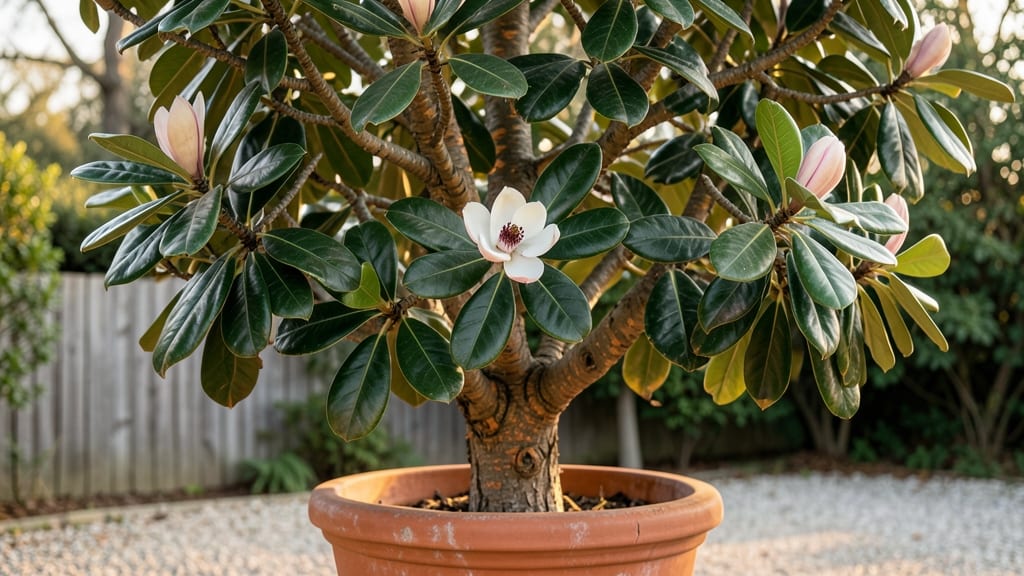
A magnolia potted plant can transform any patio, balcony, or entryway into a lush, fragrant focal point—if you follow the right care routine. I’ve grown these showstoppers in containers for over a decade, and the key lies in mimicking their natural woodland habits while working around their slow-growing nature.
The first year is all about establishing strong roots in the right mix, while later seasons focus on pruning to encourage those iconic blooms. 🌿
Start with a 5-gallon pot or larger (magnolias hate being root-bound), well-draining soil mixed with 30% organic matter like compost or pine bark fines. Southern magnolias and little gem varieties thrive in containers, but avoid dwarf types—they struggle with pot life.
Place your pot where it gets 6-8 hours of morning sun and afternoon shade; too much direct afternoon heat wilts their glossy leaves faster than you’d expect.
Water deeply when the top inch of soil feels dry, but never let it sit soggy—root rot is the silent killer of potted magnolias. In winter, reduce watering and move pots to a sheltered spot where temps stay above 15°F.
With proper care, you’ll see those cup-shaped blooms by spring, and the plant will reward you with decades of drama. The secret? Patience and attention to soil moisture—no shortcuts work here.
Prune after flowering to shape the plant and remove dead wood, but never cut more than 25% of the canopy at once. Fertilize lightly in spring with a balanced 10-10-10 mix—magnolias are heavy feeders but sensitive to over-fertilization.
If your plant looks stunted, it’s likely root-bound; repot every 3-4 years in early spring. The payoff? A fragrant, evergreen statement piece that outshines any seasonal annual.
📚 In This Guide
- What you need
- Instructions
- Tips and common mistakes
- Wrapping up and next steps
What you need
- ● Magnolia Plant: 1 young Magnolia grandiflora (Southern Magnolia) or Magnolia stellata (Star Magnolia) in a 3–5 gallon pot (check local nurseries or online plant shops).
- ○ Optional: A dwarf variety (e.g., Magnolia ‘Little Gem’) for smaller spaces.
- ● Container: 1 large, well-draining pot (18–24" diameter for mature plants; 12–15" for dwarf varieties).
- ● Materials: Glazed ceramic, fabric grow bags, or plastic with drainage holes.
- ● Pro Tip: 💡 Add 3–4 inches of gravel or broken pottery at the bottom for extra drainage!
- ● Potting Mix: 1 bag (1–2 cubic feet) of well-draining, acidic potting mix (pH 5.0–6.0).
- ● DIY Blend: Mix 60% peat moss, 20% perlite, and 20% pine bark fines.
- ● Tools: 1 pair of gardening gloves (to protect your hands from prickly leaves!).
- ● 1 small hand trowel or garden spade.
- ● 1 watering can with a narrow spout (for precise hydration).
- ○ Optional: Pruning shears (for shaping after planting).
- ● Location: A spot with at least 6 hours of sunlight daily (morning sun + afternoon shade works best for indoor plants).
- ● Climate Note: If outdoors, protect from freezing temps (below 10°F) with a frost cloth or move indoors.
- ● Patience: Magnolias grow slowly—expect 1–2 inches of growth per year!
- ● Slow-release acid-loving plant fertilizer (e.g., Miracle-Gro Azalea/Camellia).
- ● Mulch (pine needles or bark chips) to retain moisture and acidity.
- ● Humidity tray or pebble tray for indoor plants in dry climates.
Step-by-step guide to cultivating a magnolia in containers
Transform your patio or balcony into a fragrant haven with this foolproof method for growing magnolias in pots.
🪴 Step 1: Select the Right Container and Soil Mix
Choose a container at least 24 inches deep and wide—magnolias need room for their extensive root systems. I prefer glazed ceramic or high-quality plastic pots because they retain moisture while allowing proper drainage. Avoid metal containers, which can overheat roots in summer.
Use a well-draining potting mix specifically formulated for acid-loving plants. I blend 3 parts peat moss or coconut coir, 2 parts perlite, and 1 part sand to ensure aeration and moisture retention. This mix mimics the acidic, slightly sandy soil magnolias thrive in. Add 1 cup of slow-release fertilizer (14-14-14 ratio) to the bottom of the pot before filling with soil.
🌱 Step 2: Plant Your Magnolia with Care
Gently remove the magnolia from its nursery pot and loosen the roots if they’re tightly bound. Place the plant in the container so the top of the root ball sits 1-2 inches below the rim—this prevents soil erosion and allows for watering without overflow. Fill the remaining space with your prepared potting mix, pressing lightly to eliminate air pockets.
Water deeply until it drains freely from the bottom. I like to use lukewarm water to avoid shocking the roots. Avoid overwatering initially—magnolias hate soggy soil. Let the top 2 inches of soil dry out between waterings for the first week to help the roots establish.
☀️ Step 3: Position for Optimal Light and Airflow
Magnolias crave morning sun and afternoon shade, especially in hot climates. Place your potted magnolia where it receives 4-6 hours of direct sunlight daily, but protect it from intense afternoon rays that can scorch delicate leaves. A southeast-facing spot works best for most regions.
Ensure good airflow by spacing your pot 3-4 feet away from walls or other plants. This prevents fungal diseases like powdery mildew, which can ruin foliage. If you’re in a windy area, stake the plant lightly to prevent toppling—magnolias can get surprisingly top-heavy as they grow.
💧 Step 4: Water and Fertilize for Year-Round Health
Water when the top 2 inches of soil feel dry to the touch, typically once every 5-7 days in warm weather and every 10-14 days in winter. Overwatering is the #1 killer of potted magnolias—always check moisture before watering. I use a moisture meter for accuracy, especially in winter when growth slows.
Fertilize every 6-8 weeks during the growing season (spring to fall) with a balanced, acid-forming fertilizer (like 16-4-8). Reduce feeding in winter to once every 2-3 months. Yellowing leaves often signal over-fertilization—flush the soil with water if this happens.
✂️ Step 5: Prune and Maintain for Long-Term Beauty
Prune right after flowering (late spring) to shape the plant and encourage new growth. Remove dead, diseased, or crossing branches first, then trim back any leggy stems by 1/3 of their length. Use clean, sharp pruners to make cuts just above a leaf node—this prevents unsightly stubs.
Inspect the plant monthly for pests like scale or spider mites. Wipe leaves with a mild soapy water solution if needed, and rinse thoroughly. In winter, move the pot to a protected location (like a garage or under an eave) if temperatures drop below 10°F. Mulch the soil surface with 2 inches of pine bark to insulate roots and retain moisture.
Tips & tricks for perfect potted magnolias
These battle-tested strategies will help you coax your magnolia into thriving year-round—even in containers. I've learned these the hard way after watching plants struggle in less-than-ideal setups.
Container Selection Wisdom: While the instructions specify a 24-inch container, I recommend going slightly larger—26-28 inches—if possible. Magnolias have surprisingly aggressive root systems that spread wider than you'd expect. A deeper pot also gives you more flexibility for mulching in winter, which helps insulate roots when temperatures dip below 10°F. If you're limited on space, choose a wider pot over a deeper one—roots spread more horizontally than they grow downward.
Soil Mix Secrets: The 3:2:1 ratio of peat moss/coco coir, perlite, and sand is perfect, but here's what nobody tells you: sterilize your soil mix first. Microwave a bag of potting mix for 2 minutes to kill any lurking fungi or bacteria. I also add 1 tablespoon of mycorrhizal fungi to the mix—this beneficial soil organism helps roots absorb nutrients more efficiently, especially in containers where nutrients deplete faster. Optional: Add 1/4 cup of worm castings for extra nutrients without risking over-fertilization.
Watering Strategy: The "top 2 inches dry" rule is solid, but here's the real trick: water in the morning so excess moisture evaporates during the day. I use a self-watering pot in summer to maintain consistent moisture without overwatering. For winter care, reduce watering to every 14-21 days—the plant's growth slows dramatically, and soggy soil can lead to root rot. Always check moisture with your finger before watering; the soil should feel like a wrung-out sponge.
Winter Protection: When temperatures drop below 10°F, don't just move your magnolia to a sheltered spot—prepare it properly. Wrap the pot in bubble wrap or insulating foam to protect roots from cold drafts. I also place a heat mat (set to low) underneath the pot for extra insulation. If you're in a very cold climate, consider moving the plant to an unheated garage or basement where temperatures stay above freezing but remain stable.
Pro Tips for Magnolia Potted Plant
- These battle-tested strategies will help you coax your magnolia into thriving year-round—even in containers.
- Container Selection Wisdom: While the instructions specify a 24-inch container, I recommend going slightly larger—26-28 inches—if possible.
- Soil Mix Secrets: The 3:2:1 ratio of peat moss/coco coir, perlite, and sand is perfect, but here's what nobody tells you: sterilize your soil mix first.
Frequently asked questions
Got questions about keeping your magnolia potted plant happy and thriving?
Here are the most common ones—plus expert tips to solve them fast!
How often should I water my potted magnolia?
Water your magnolia when the top 1–2 inches of soil feel dry (usually every 1–2 weeks). Overwatering is the #1 killer—ensure pots have drainage holes to prevent root rot. In summer, check daily; in winter, reduce to every 3–4 weeks. Pro tip: Stick your finger in the soil—it’s the best moisture meter!
Can I keep a magnolia in a pot indoors year-round?
Most magnolias need winter dormancy, so move them outdoors in fall (when temps drop below 50°F) and bring them back inside in spring. If you live in a mild climate (Zones 8–10), some varieties like Magnolia grandiflora can stay outside year-round. Use a large pot (at least 15 gallons) for stability and growth.
Why aren’t my magnolia leaves turning green?
Yellow or pale leaves usually mean overwatering or nutrient deficiency. Check soil moisture first—let it dry slightly between waterings. If leaves stay yellow, fertilize with a balanced 10-10-10 mix in spring and summer. Brown edges? It’s likely underwatering or low humidity (try misting or a pebble tray!).
How do I encourage more flowers on my potted magnolia?
Flowers thrive with full sun (6+ hours daily) and pruning. Trim dead or crossing branches in late winter/early spring. Avoid heavy pruning—magnolias flower on old wood. Feed with acidic fertilizer (like 8-3-9) in early spring to boost blooms. Patience pays off—some varieties take 3–5 years to flower!
What pests should I watch for on my potted magnolia?
Keep an eye out for scale insects, aphids, and spider mites. Wipe leaves with soapy water (1 tsp mild soap per quart) for mild infestations. For severe cases, use neem oil or insecticidal soap. Prevent pests by keeping your magnolia healthy, well-watered, and free of debris. Early action = happy plants!
What’s a good alternative if my space is too small?
If your magnolia outgrows its pot fast, try these smaller-space-friendly alternatives:
- Dwarf Magnolia (Magnolia stellata): Stays compact (8–10 ft tall) and blooms early.
- Camellia: Thrives in pots, loves shade, and has stunning flowers.
- Japanese Maple (Acer palmatum): Colorful foliage, slow-growing, and drought-tolerant.
- Orchid Tree (Bauhinia): Tropical vibes with fragrant blooms (needs winter protection).
Wrapping up and next steps
Growing a magnolia potted plant is a rewarding journey that brings timeless beauty and fresh air into your home—no green thumb required! With the right soil, sunlight, and care, your magnolia will thrive year-round, gracing your space with stunning blooms and lush foliage. 🌸
Ready to take the next step? Start by picking your favorite magnolia variety and gather your supplies.
Then, follow the steps above to nurture your plant like a pro. Before you know it, you’ll be the envy of your neighborhood with a flourishing magnolia that’s as easy to care for as it is breathtaking!