
Diseases
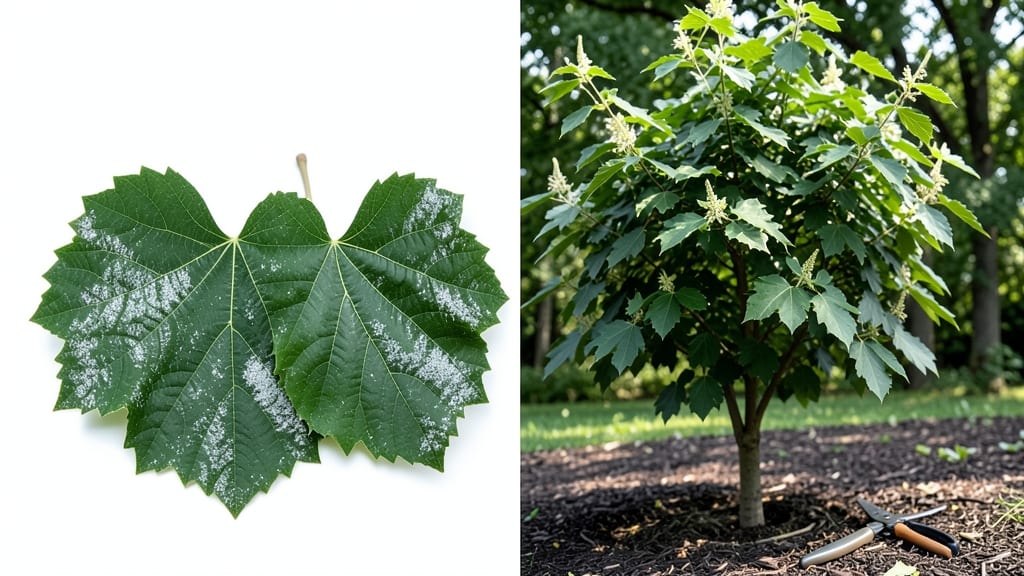
Mulberry plant diseases can turn your lush tree into a leafy mess faster than you’d think. 🌿 I’ve seen anthracnose blacken branches overnight and powdery mildew smother leaves in weeks—both steal your harvest if you don’t act quick.
The good news? Spotting these issues early lets you save your tree with simple fixes, and I’ll walk you through the exact symptoms to watch for.
Most mulberry diseases start with stress—too much moisture, poor airflow, or weak roots. Anthracnose thrives in damp conditions, while powdery mildew loves shady spots. Root rot sneaks in when soil stays soggy for days.
The key is catching them before they spread, which means checking leaves weekly and pruning for airflow. Trust me, a few minutes now prevents weeks of cleanup later.
You’ll learn to identify each disease by its telltale marks—crusty spots for anthracnose, white powder for mildew, or wilting branches for root rot—and how to treat them fast. Organic sprays, copper fungicides, and proper pruning can turn things around in days.
No more guessing what’s wrong or watching your tree decline—just clear steps to get it thriving again.
Works for backyard trees, container-grown mulberries, or even those stubborn wild saplings. Whether you’re dealing with a young plant or a mature tree, these fixes keep your mulberries productive and healthy. Let’s get those leaves looking green again!
Root Causes of Mulberry Ailments
Understanding why mulberry plants fall prey to diseases is the first step toward prevention and treatment. These issues rarely arise in isolation—they’re often the result of a perfect storm of environmental, biological, or cultural factors.
Below, we break down the key triggers behind mulberry plant diseases, so you can address them before they spiral out of control.
Mulberry trees thrive in well-draining, nutrient-rich soil, but when conditions go awry, diseases like root rot or fungal infections (e.g., Phytophthora or Fusarium) take hold. Here’s why:
- Compacted or Waterlogged Soil 💧: Mulberries hate soggy roots. Poor drainage creates anaerobic conditions, where harmful fungi and bacteria flourish. If your soil feels like wet clay after rain, roots suffocate, weakening the plant’s defenses. - Actionable fix: Amend soil with compost, perlite, or sand to improve aeration.
Elevate planting beds if drainage is chronically poor.
- Deficient or Excessive Nutrients 🧪: Over-fertilizing (especially with nitrogen) promotes lush but weak foliage, making plants more susceptible to pests and pathogens.
Conversely, magnesium or potassium deficiencies weaken cell walls, inviting infections. - Signs: Yellowing leaves (nitrogen excess), brown leaf edges (potassium deficiency), or stunted growth (magnesium lack). - Fix: Conduct a soil test and balance nutrients with organic matter (e.g., banana peels for potassium, Epsom salt for magnesium).
- pH Imbalance 📉: Mulberries prefer slightly acidic to neutral soil (pH 6.0–7.0).
Soil that’s too alkaline (pH >7.5) locks out essential nutrients like iron and manganese, stressing the plant and opening doors for diseases like anthracnose. - Test & adjust: Use a pH meter or test kit. Lower pH with sulfur or pine needles; raise it with lime.
Mulberry plants are hardy, but extreme or inconsistent weather disrupts their natural resistance. Diseases like powdery mildew or bacterial leaf spot often erupt when conditions are just right for pathogens—but wrong for the tree.
- High Humidity + Warmth ☀️💦: Fungal spores (e.g., Erysiphe for powdery mildew) thrive in 70–80% humidity combined with temperatures 70–85°F (21–29°C). Poor air circulation makes it worse.
- Prevention: Space plants 6–10 feet apart, prune for airflow, and avoid overhead watering.
- Sudden Temperature Shifts ❄️🔥: Mulberries struggle with late frosts or heatwaves, which weaken leaves and bark.
Cold snaps can cause cankers (open wounds), while scorching heat leads to sunburn (white/yellow patches), making them vulnerable to secondary infections. - Solution: Mulch heavily in winter, provide shade cloth in summer, and avoid planting in frost pockets.
- Excessive Rain or Irrigation 🌧️: Prolonged wetness (especially on leaves) creates the perfect breeding ground for bacterial leaf spot (Xanthomonas) or rust diseases (Puccinia).
Water sitting on foliage for >12 hours = disease risk. - Fix: Water at soil level (drip irrigation or soaker hoses), and prune lower branches to improve drying.
Pests don’t just damage mulberries—they create entry points for diseases. For example:
- Aphids 🐜🍃: Excrete honeydew, which fosters sooty mold (a black fungal growth).
- Scale insects 🐛: Pierce bark, leading to bacterial cankers.
- Japanese beetles 🐞: Chew leaves, leaving wounds for anthracnose fungi.
How to break the cycle:
- Monitor regularly for pests (check undersides of leaves, new growth).
- Use neem oil or insecticidal soap for mild infestations.
- Introduce predators: Ladybugs eat aphids; parasitic wasps target scale.
A mulberry tree’s natural defenses weaken when:
- Stressed from transplant shock 🌱💔: Newly planted trees are prime targets for root rot or canker diseases for the first 6–12 months.
- Over-pruned or damaged ✂️: Heavy pruning without proper cuts invites bacterial infections (e.g., Pseudomonas).
- Crowded growth 🏡: Overly dense canopies trap moisture and limit airflow, promoting powdery mildew.
Boost resilience with:
- Proper pruning: Cut at a 45° angle (1/4" above a bud) to promote faster healing.
- Mulching: Keep 2–4 inches of organic mulch (wood chips, straw) around the base to regulate soil temp and moisture.
- Balanced care: Avoid extreme watering (drought stress) or fertilizing (burn risk).
Diseases don’t appear out of nowhere—they’re transmitted through:
- Contaminated tools ⚔️: Pruners or grafts carrying Agrobacterium (crown gall) or Phytophthora.
- Infected plant material 🌿: Buying or grafting diseased cuttings spreads anthracnose or rust.
- Wind, water, or insects 🌪️🐝: Spores hitchhike on breezes or pests (e.g., whiteflies spread viral diseases).
Prevention checklist: ✅ Sterilize tools with rubbing alcohol between cuts. ✅ Inspect new plants for lesions, spots, or unusual growth. ✅ Isolate sick plants until treated to prevent cross-contamination.
Even well-meaning gardeners accidentally invite diseases with:
- Improper watering techniques 💦: Splashing soil onto leaves spreads bacterial spot.
- Ignoring sanitation 🧹: Leaving fallen leaves or debris near the base harbors fungal overwintering spores.
- Planting in high-risk zones 🚫: Areas with poor drainage or history of mulberry diseases.
Quick fixes:
- Clean up debris in autumn to remove fungal reservoirs.
- Avoid wetting foliage—water early in the day so leaves dry by evening.
- Rotate crops if growing mulberries in containers (don’t replant in the same soil without sterilizing).
Quick Fixes for Mulberry Plant Ailments
Mulberry trees are resilient, but when diseases strike, acting fast is key to saving your harvest—and your tree. Below, we’ve mapped out practical, step-by-step solutions for the most common mulberry plant diseases, complete with prevention tips to keep your trees thriving.
Think of this as your emergency guide for a healthy grove!
Symptoms: Yellowing leaves, mushy roots, wilting despite watering. Cause: Overwatering or poor soil drainage creates the perfect damp environment for Phytophthora fungi.
How to Fix It: 🔥 Step 1: Stop the Water Overload
- Pause watering immediately. Let the soil dry out for 3–5 days before resuming.
- If your tree is in a pot, check for drainage holes. No holes? Repot into a container with drainage ASAP.
🍳 Step 2: Improve Soil Aeration
- Dig around the base of the tree (6–12 inches deep) and mix in perlite, coarse sand, or compost to break up compacted soil.
- For container-grown mulberries, replace the top 2–3 inches of soil with a well-draining potting mix.
👨🍳 Step 3: Apply Fungicide
- Spray a copper-based fungicide (like copper sulfate) or a biological fungicide (e.g., Trichoderma products) on the soil and lower trunk.
- For severe cases, soak the roots in a 1:10 water-to-vinegar solution (white vinegar) for 10 minutes before replanting.
⏰ Step 4: Monitor & Adjust
- Water only when the top 2 inches of soil are dry (stick your finger in to check!).
- Consider raising the tree’s base with a mound of soil or gravel to prevent future water pooling.
💡 Prevention Tip:
- Plant mulberries in slightly elevated beds or on slopes to encourage runoff.
- Avoid heavy mulch near the trunk—keep it 3–4 inches away to allow airflow.
Symptoms: White, powdery patches on leaves (like dust), stunted growth. Cause: Fungal spores thrive in humid, shady conditions and spread via wind or splashing water.
How to Fix It: 🔥 Step 1: Prune for Sunlight
- Thin out dense foliage to improve airflow and sunlight penetration. Remove at least 20% of the smallest, most infected branches.
🍳 Step 2: Homemade Fungicide Spray
- Mix 1 tbsp baking soda + 1 tsp dish soap + 1 gallon water in a spray bottle.
- Apply every 7–10 days until symptoms disappear (early morning or evening to avoid leaf burn).
👨🍳 Step 3: Neem Oil Treatment (Optional but Effective)
- Combine 1 tbsp neem oil + 1 tsp mild soap + 1 quart water. Spray directly on affected leaves (test a small area first).
⏰ Step 4: Clean Up Debris
- Remove all fallen leaves and dispose of them in the trash (not compost)—fungal spores can linger.
💡 Prevention Tip:
- Water at the base (not overhead) to keep leaves dry.
- Choose resistant varieties like Morus alba if mildew is recurrent in your climate.
Symptoms: Dark, sunken spots on leaves/fruit, leaf drop, black streaks on stems. Cause: The Colletotrichum fungus spreads in warm, wet weather and survives in plant debris.
How to Fix It: 🔥 Step 1: Remove Infected Parts
- Prune all diseased leaves, branches, and fruit—sterilize pruners with rubbing alcohol between cuts.
🍳 Step 2: Copper Fungicide Application
- Spray copper hydroxide or copper fungicide (follow label rates) every 2–3 weeks during rainy seasons.
- For organic growers, try potassium bicarbonate spray (1 tbsp per gallon of water + a drop of soap).
👨🍳 Step 3: Improve Air Circulation
- Space mulberry trees 10–15 feet apart to reduce humidity buildup.
- Avoid planting near dense shrubs that trap moisture.
⏰ Step 4: Solarize the Soil (Advanced)
- In severe cases, cover the soil with clear plastic for 4–6 weeks in hot sun to kill fungal spores.
💡 Prevention Tip:
- Mulch with straw (not wood chips) to keep soil dry—wood chips retain too much moisture.
Symptoms: Circular brown spots with yellow halos, premature leaf drop. Cause: Fungal infections (Mycosphaerella spp.) spread via rain splashes and contaminated tools.
How to Fix It: 🔥 Step 1: Clean Up Fallen Leaves
- Rake and remove all debris from under the tree—burn or trash it (do not compost).
🍳 Step 2: Apply Horticultural Oil
- Mix 2% horticultural oil + water (follow product instructions) and spray every 10–14 days until new growth appears.
👨🍳 Step 3: Rotate Planting Locations
- If possible, move mulberries to a new spot after recovery to break the fungal cycle.
⏰ Step 4: Strengthen the Tree
- Feed with a balanced fertilizer (10-10-10) to boost immunity. Avoid nitrogen-heavy fertilizers, which encourage soft, disease-prone growth.
💡 Prevention Tip:
- Water in the early morning so leaves dry quickly.
- Disinfect tools with 70% isopropyl alcohol before and after pruning.
Keep these proactive habits to minimize future outbreaks: ✅ Inspect weekly for early signs of disease (catch it before it spreads!). ✅ Diversify your grove—plant mulberries alongside marigolds or garlic (natural fungicides). ✅ Avoid overhead irrigation—use drip systems or soaker hoses. ✅ Harvest promptly—ripe fruit attracts pests that spread disease.
Final Note: Most mulberry diseases are manageable with early action. If your tree is severely infected, don’t hesitate to consult a local agricultural extension service for tailored advice. With these fixes, your mulberry trees will bounce back—and you’ll be enjoying juicy berries for years! 🌱🍇
Frequently asked questions
How do I tell if my mulberry tree has anthracnose?
Look for dark, sunken spots on leaves or fruit that appear crusty or velvety. These spots often have yellow halos and may cause leaves to drop prematurely. Anthracnose thrives in warm, wet conditions—check for it after heavy rain or during humid summers.
Can I save my mulberry tree if it has root rot?
Yes, but act fast! Stop watering immediately and improve drainage by amending soil with perlite or sand. Prune any mushy roots and treat with a copper fungicide. For severe cases, you may need to repot or elevate the tree to prevent future waterlogging.
Why does my mulberry plant keep getting powdery mildew?
Powdery mildew loves shady, humid conditions and poor airflow. Thin out dense foliage, space plants 6–10 feet apart, and avoid overhead watering. A baking soda spray (1 tbsp baking soda + 1 tsp soap per gallon of water) applied weekly can stop it in its tracks.
Are there organic ways to treat mulberry plant diseases?
For fungal issues, use a neem oil spray (1 tbsp neem oil + 1 tsp soap per quart of water) or a potassium bicarbonate solution (1 tbsp per gallon). For bacterial problems, copper fungicide (organic versions exist) or a hydrogen peroxide spray (3% solution, 1:1 with water) works well. Always test on a small area first.
How can I prevent diseases from spreading to other plants?
Isolate sick mulberry trees immediately and sterilize pruning tools with rubbing alcohol between cuts. Remove all infected leaves/fruit and dispose of them in the trash (not compost). Avoid overhead irrigation to prevent splashing spores onto healthy plants. Regularly clean up fallen debris to break the disease cycle.