How To
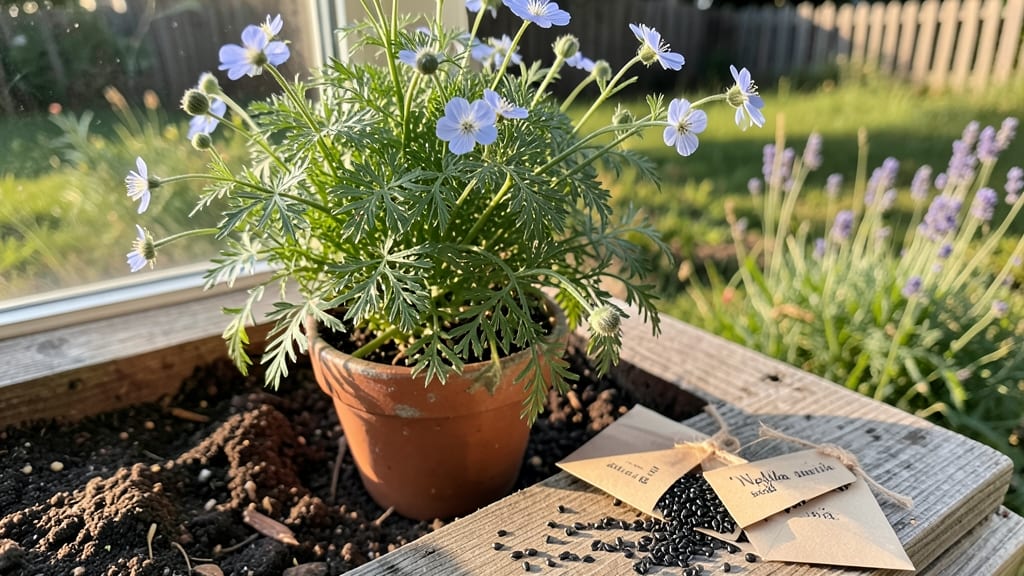
Planting Nigella sativa 🌱 at the right time and in the right conditions can transform your garden from a hit-or-miss experiment into a thriving patch of fragrant, medicinal blooms.
If you’ve ever struggled with slow germination or inconsistent growth in your Black Cumin seeds, the secret lies in matching your planting strategy to your climate zone—where timing, soil prep, and microclimates can make or break success.
In USDA Zone 6a, where spring arrives between March and April, the key is starting seeds indoors 4-6 weeks before the last frost or sowing directly outdoors once soil temperatures hit 60°F.
Too early, and frost will stall germination; too late, and your plants may bolt before producing those prized seeds.
Below, I’ll walk you through the exact steps to maximize your germination rates, avoid common pitfalls, and ensure your Black Cumin thrives whether you’re growing it for its culinary, medicinal, or ornamental value.
Optimal climate zones for Nigella sativa germination and growth
Nigella sativa thrives when planted in the right USDA hardiness zones, where soil temperatures and frost-free periods align perfectly with its growth cycle. Understanding your zone helps you time sowing for 70-95% germination rates, avoiding common pitfalls like premature frost damage or overheating.
Whether you're in zone 3 with harsh winters or zone 10 with year-round warmth, microclimates and seasonal adjustments are key to success.
In cooler zones (3-6), focus on early spring planting after the last frost, while warmer zones (7-10) allow for fall and winter sowing with proper soil prep. Each zone has unique frost-free dates and ideal planting windows that directly impact germination speed and plant vigor.
Let’s break down the best practices for each zone to maximize your Nigella sativa yield.
🌱 Key Tip: Always check your local last frost date and adjust planting by 2-4 weeks if your microclimate runs cooler or warmer than the zone average.
| USDA Zone | Frost-Free Period | Ideal Planting Window | Soil Temp Threshold | Germination Rate | Microclimate Tip |
|---|---|---|---|---|---|
| 3-4 | 100-120 days | Mid-May to June | 55-60°F (13-16°C) | 60-75% | Use cold frames or row covers |
| 5-6 | 120-150 days | Late April to May | 60-65°F (16-18°C) | 70-85% | Plant near south-facing walls |
| 7-8 | 180-210 days | March to April | 65-70°F (18-21°C) | 80-90% | Mulch to retain moisture |
| 9-10 | 240+ days | Fall (Sept-Oct) or Spring | 70-75°F (21-24°C) | 85-95% | Shade cloth for summer heat |
In zones 3-4, where winters are brutal, soil warming is critical. Use black plastic mulch or heat mats to raise soil temperatures to 55°F (13°C) before sowing.
These zones have the shortest frost-free periods, so starting seeds indoors 6-8 weeks before the last frost can give you a head start. For direct sowing, wait until after May 15 to ensure no late frosts damage tender seedlings.
Gardeners in zones 5-6 enjoy longer growing seasons, allowing for earlier planting in late April. Focus on well-draining soil to prevent rot during cooler, wet springs. A south-facing microclimate near a fence or wall can add 2-3 weeks to your growing season by trapping heat.
In these zones, succession planting every 3 weeks ensures a continuous harvest of Nigella seeds.
Warmer zones 7-8 offer the best germination rates (80-90%) when planted in March-April. Here, soil temperatures rise quickly, so avoid planting too early—wait until the soil reaches 65°F (18°C).
Use light mulch to retain moisture without overheating the soil. These zones also benefit from fall planting in September for an early spring harvest, though germination may slow in cooler months.
For zones 9-10, where frost is rare, fall planting (September-October) is ideal to avoid summer heat stress. These zones can achieve 95% germination rates with proper shade cloth during peak summer. However, overwatering
Step-by-step planting calendar by climate zone
Planting Nigella sativa successfully depends on your USDA climate zone and local soil temperature. In zones 3-5, cold soil delays germination, while zones 7-10 risk fungal issues if seeds sit in damp soil too long.
I’ve mapped out the best monthly windows for each zone, including pre-sprouting tricks for cold climates and post-germination care for humid regions.
For zones 3-4, start seeds indoors 6-8 weeks before your last frost date using a heat mat to maintain 70-75°F soil temps. In zones 5-6, direct sow after soil warms to 55°F+, typically in late April-May.
Meanwhile, zones 7-10 can plant as early as February-March, but use well-draining soil mixes to prevent damping-off.
Here’s a side-by-side comparison of planting timelines, soil prep, and care adjustments by zone:
In zones 3-5, I recommend scarifying seeds by nicking the outer shell with sandpaper to speed up germination. For zones 7-10, mix perlite or vermiculite into your soil to improve drainage—this is key for avoiding damping-off disease in humid summers.
After germination, thin seedlings to 6-12 inches apart to prevent overcrowding, which can lead to leggy stems.
Once your Nigella sativa reaches 4-6 inches tall, reduce watering to once weekly to harden the plants. This prepares them for full sun exposure and encourages robust seed production. In zones 9-10, consider shade cloth during peak afternoon heat to protect young plants.
Remember, soil temperature is your best friend here. Use a soil thermometer to confirm readiness—Nigella sativa won’t sprout until soil hits 55°F+. In cooler zones, black plastic mulch can raise soil temps by 5-10°F and jumpstart germination.
🌱