
Pruning
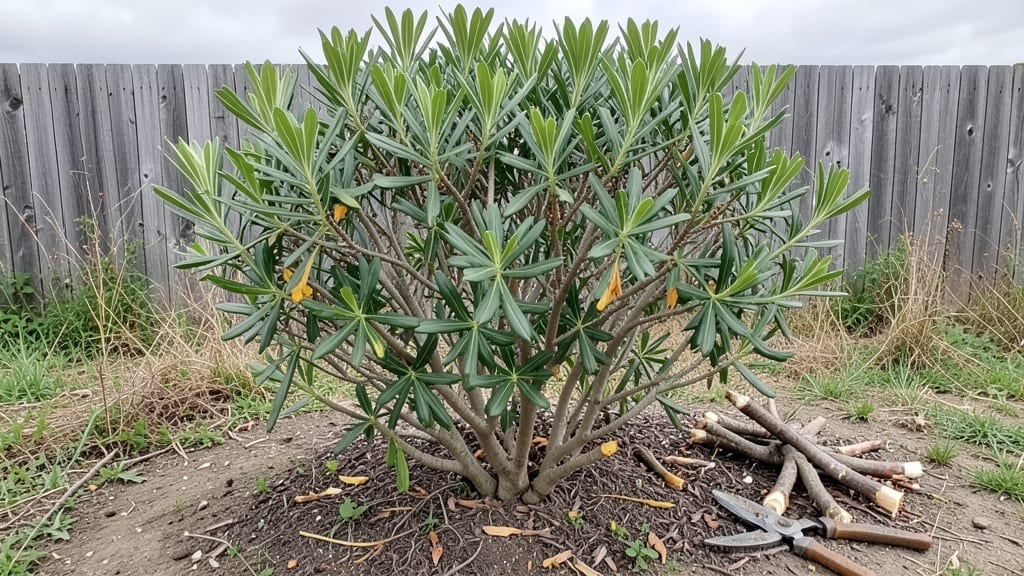
Pruning oleander plants the right way turns a single spring flush of blooms into a year-round floral display—and I’ve finally cracked the code after years of over-trimming and under-trimming.
The key isn’t just cutting back; it’s understanding when to shape, when to deadhead, and how to avoid stressing the plant with aggressive cuts. Oleanders are tough, but they reward precision with bold, continuous blooms that last from spring through frost.
Start with the basics: sharp pruners (sterilized with rubbing alcohol), gloves (oleander sap is toxic), and a clear plan. Late winter or early spring is prime time for structural pruning, while deadheading spent blooms in summer keeps the plant focused on new flowers.
I learned the hard way that cutting too late in the season delays spring blooms, so mark your calendar for February or March in most climates. For rejuvenating older plants, thin out crowded branches by one-third to improve airflow and sunlight penetration.
After pruning, you’ll notice fresh, vibrant growth within 2-3 weeks—and those new shoots are where the next wave of blooms will appear. The secret to long-lasting flowers? Consistency. I now deadhead every 7-10 days during peak bloom, and my oleanders stay lush and productive.
Just avoid heavy pruning in fall, as it can leave the plant vulnerable to cold damage. With the right timing and technique, your oleander will become the showstopper of your landscape, not just a seasonal highlight.
Here’s the thing—oleanders are forgiving, but they’re not indestructible. Wear gloves (always), sterilize tools, and never burn prunings (toxic smoke). If you’re in a hot, dry climate, water deeply after pruning to help the plant recover.
And if your oleander looks sad after cutting? It’s just taking a breather—new growth will come faster than you think. Ready to transform those sparse stems into a nonstop bloom machine?
📚 In This Guide
- What you need
- Instructions
- Tips and common mistakes
- Wrapping up and next steps
What you need
- ● Pruning shears: Bypass pruners (sharp, 6-8" blades) – 1 pair. Avoid anvil pruners; they crush stems.
- ● Loppers: Bypass-style (for thicker branches, 12-16") – 1 pair.
- ● Gloves: Heavy-duty, nitrile-coated (oleander sap is toxic; protect your skin!) – 1 pair.
- ● Safety goggles: (to shield eyes from debris) – 1 pair.
- ● Disinfectant: 70% isopropyl alcohol or bleach solution (1:9) (to clean tools between cuts) – small bottle.
- ● Trash bags: (for disposing of pruned branches) – 2-3 large bags.
- ● Hose or bucket of water: (to rinse tools and hands after pruning).
- ● Hand pruners: (for smaller trims, 4-5") – 1 pair.
- ● Long sleeves/pants: (to cover arms and legs fully).
- ● Extension pole: (for tall oleanders, 3-5 ft) – 1 unit.
- ● Pruning saw: (if dealing with very thick branches, 8-10") – 1 saw.
- ● Compost bin: (if you prefer to compost pruned material instead of tossing).
Step-by-Step guide to pruning oleander for continuous blooms
Here’s how to coax your oleander into nonstop flowering by mastering the art of strategic cuts.
Time Your Pruning for Maximum Impact
Prune oleander in late winter or early spring, just as new growth begins to emerge. This timing ensures you’re cutting back before the plant’s natural flush of energy, allowing it to redirect resources into fresh blooms. Avoid pruning in fall—you’ll risk stunting next year’s flowers. Oleander blooms on old wood, so never cut back more than one-third of the plant’s height in a single session. This rule prevents shock and keeps the plant’s energy balanced.
Watch for swollen buds along the stems—these signal the plant’s readiness to bloom. If you prune too early, you’ll miss the bloom cycle entirely. If you wait too long, the plant may have already allocated energy to seed production, reducing flower count. The ideal moment is when you see new green tips but before the buds fully open.
Use the Right Tools for Clean Cuts
Sharp, sterilized pruning shears are a must—oleander sap can clog dull blades, leading to jagged cuts that invite disease. Disinfect your tools with rubbing alcohol before and after pruning to prevent bacterial or fungal spread between cuts. I always carry a small spray bottle of alcohol in my gardening toolkit for quick sterilization between plants.
Make cuts at a 45-degree angle, just above a leaf node or bud. This angle helps water run off the cut, reducing rot risk. Avoid tearing the bark—oleander has thick stems, but rough cuts weaken the plant over time. If you’re unsure where to cut, look for small bumps or buds along the stem; these are your pruning guides. Never cut into old, woody growth—focus only on new, green stems.
Prune for Shape and Airflow
Start by removing dead, diseased, or crossing branches—these compete for resources and block airflow, which oleander hates. Thin out the center of the plant first, then shape the outer branches to encourage an open, airy form. Oleander thrives when it gets sunlight and air circulation, so avoid heavy topping cuts that leave dense foliage.
For flowering encouragement, trim back the longest stems by about one-third to promote bushier growth. You’ll see more branches form at the base, each capable of producing clusters of blooms. Avoid shearing the plant into a uniform shape—oleander looks best with natural, slightly uneven layers. After pruning, step back and check for gaps in the canopy; these are where new growth will fill in over the season.
Deadhead Spent Blooms for Prolonged Flowers
Deadheading is the secret to year-round blooms. As soon as flowers fade, pinch off the spent blossoms by twisting them off at the base or cutting just above the next set of leaves. This prevents the plant from wasting energy on seed production. Oleander blooms in cycles, so consistent deadheading tricks it into thinking it’s still spring, prompting new flower buds.
I deadhead every 7-10 days during peak bloom season to keep the plant focused on flowers. Use your fingers for small clusters—no need for shears. Watch for new flower buds forming at the stem ends; these are your reward for staying on top of deadheading. If you skip this step, you’ll notice fewer blooms and more seed pods forming, which drain the plant’s energy.
Fertilize and Water After Pruning
After pruning, feed your oleander with a balanced, slow-release fertilizer (10-10-10 ratio) to support new growth. Water deeply right after pruning to help the plant recover and reduce stress. Oleander is drought-tolerant once established, but fresh cuts need consistent moisture for the first 2-3 weeks to prevent dieback.
Reduce watering slightly once new growth appears—oleander roots rot easily in soggy soil. Monitor the soil; it should be dry to the touch about 1-2 inches down before watering again. Avoid wetting the leaves when watering, as this can promote fungal issues. Within 4-6 weeks, you’ll see fresh, vibrant growth and new flower buds forming along the pruned stems.
Tips & tricks for perfect oleander pruning
Mastering these techniques will transform your oleander into a year-round blooming powerhouse with minimal effort.
Timing is Everything: The late winter or early spring window is non-negotiable for oleander pruning. I've learned this the hard way—pruning in fall can actually stunt next year's blooms by confusing the plant's natural cycle. Focus on that one-third height reduction rule from Step 1, but don't be afraid to make slightly more aggressive cuts if your plant has become overly leggy. Just remember, oleander blooms on old wood, so you're always working with last season's framework.
Tool Technique: That 45-degree angle cut isn't just about aesthetics—it's about plant health. The angled cut creates a natural water runoff path that prevents rot at the stem base. For stubborn branches, I find using a small pruning saw for larger stems (over 1/2 inch thick) gives me more control than shears. Always make your cuts just above a leaf node or bud—this is where new growth will emerge most vigorously. Pro tip: Wipe your shears with rubbing alcohol between cuts to prevent spreading any potential diseases hiding in the oleander's sap.
Deadheading Discipline: The 7-10 day deadheading schedule in Step 4 is your secret weapon for continuous blooms. I've seen oleanders produce flowers for nearly 10 months straight when maintained this rigorously. Pay special attention to those new flower buds forming at stem ends—they're your visual confirmation that the deadheading strategy is working. If you notice more seed pods than blooms, you're either deadheading too late or not frequently enough. A quick finger pinch is all it takes for most flowers, but for larger clusters, clean shears work best.
Post-Pruning Care: That 2-3 week consistent moisture window after pruning is crucial for recovery. I've developed a simple routine: water deeply at the base (not overhead) every 3-4 days during this period, then taper to weekly once new growth appears. The 10-10-10 fertilizer ratio mentioned in Step 5 works well, but I've found adding a slow-release phosphorus booster (like 5-10-5) in spring gives an extra bloom boost. Monitor soil moisture by sticking your finger 1-2 inches down—this simple check prevents both underwatering and overwatering that can stress the plant.
Pro Tips for Oleander Plant Pruning
- Mastering these techniques will transform your oleander into a year-round blooming powerhouse with minimal effort.
- Timing is Everything: The late winter or early spring window is non-negotiable for oleander pruning.
- Tool Technique: That 45-degree angle cut isn't just about aesthetics—it's about plant health.
Frequently asked questions
Got questions about pruning your oleander? You’re not alone!
Here are answers to the most common concerns—from timing to troubleshooting—so you can keep your plant thriving and blooming all year.
When is the best time to prune oleander?
The ideal time is late winter or early spring, just before new growth starts. You can also prune lightly after flowering to encourage more blooms. Avoid heavy pruning in fall—it can stimulate tender new growth that won’t survive winter frost. Pro tip: If you live in a mild climate, a light trim after each bloom cycle keeps plants compact and bushy!
How much can I prune oleander without harming it?
Oleanders are tough and can handle moderate pruning, but avoid cutting more than 1/3 of the plant’s height or width at once. Over-pruning stresses the plant and may reduce flowering. For shaping, focus on removing dead, diseased, or crossing branches first. Warning: All parts of oleander are toxic—wear gloves and avoid inhaling dust when pruning!
Why isn’t my oleander blooming after pruning?
Oleanders need full sun (6+ hours/day) and balanced fertilization to bloom well. If pruning didn’t trigger flowers, check these:
- Sunlight: Move to a sunnier spot if needed.
- Fertilizer: Use a low-nitrogen, high-phosphorus feed (like 5-10-10) in spring.
- Watering: Too much or too little can stress the plant.
Deadhead spent blooms regularly to redirect energy to new flowers!
Can I prune oleander in winter?
In cold climates (below 20°F/-7°C), wait until after the last frost to prune. If you must trim in winter, do so lightly (only remove dead/damaged branches) to avoid encouraging tender growth. In mild winters, a light prune can help shape the plant—but avoid heavy cuts. Pro tip: Mulch the base to protect roots from freezing!
What’s an alternative to pruning if I don’t want to deadhead?
If deadheading feels tedious, try these low-maintenance alternatives:
- Let it go wild: Oleanders will still bloom (just fewer flowers).
- Pinch young growth: Snip the tips of new shoots in spring to encourage bushiness.
- Grow as a tree: Prune only to remove lower branches, letting it grow taller naturally.
Note: Without pruning, oleanders may grow leggy or develop fewer blooms over time.
Wrapping up and next steps
Mastering oleander pruning is your ticket to stunning, year-round blooms—and you’ve just unlocked the secrets! 🌸 By deadheading spent flowers, shaping strategically, and timing cuts right, you’ll keep your plant thriving and vibrant. Remember, consistency is key, but don’t stress: even small efforts yield big rewards.
Ready to put your new skills to work? Grab your pruners and give your oleander the love it deserves—your garden will thank you! For extra confidence, bookmark this guide or share it with fellow plant lovers. Happy pruning! ✂️🌿