
Pruning
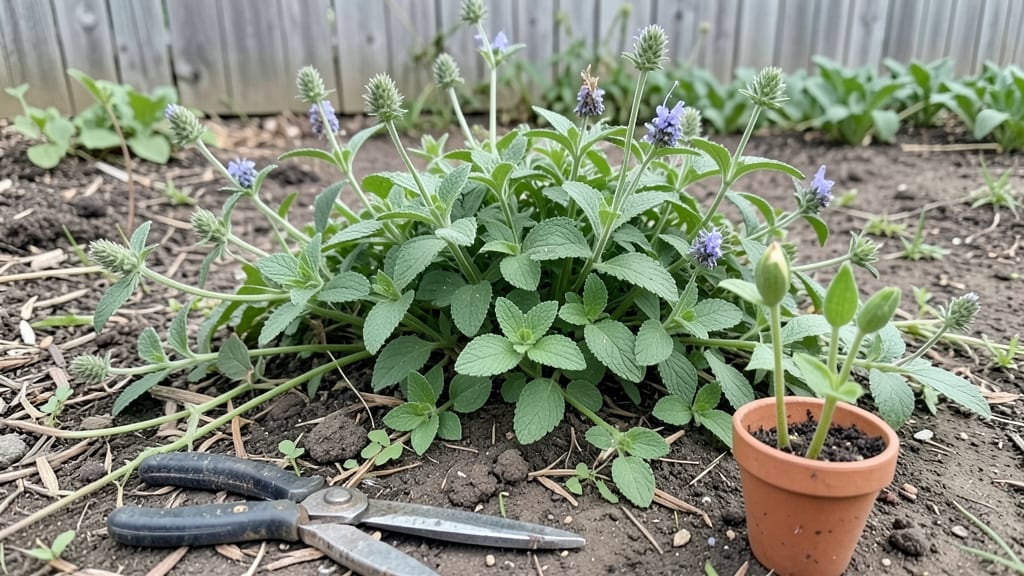
Catmint plant pruning isn't just about keeping it tidy—it's the secret to season-long blooms that make your garden smell like a lavender field on a summer breeze. I learned the hard way that skipping pruning means fewer flowers and more leggy stems by midseason.
The right cuts at the right time transform catmint from a floppy mess into a bushy, fragrant powerhouse that blooms from early summer until frost.
You only need three sharp cuts a year and a pair of clean pruners to pull this off. The first cut comes in early spring when new growth appears, snipping back about a third of the plant to encourage dense branching.
After the first flush of flowers fades, give it a second trim to remove spent blooms and encourage another round. That third cut in late summer keeps the plant compact before winter. No fancy tools—just clean cuts and a little timing.
What you end up with is a catmint plant that blooms nonstop, stays disease-free, and doesn’t spread where you don’t want it. The flowers stay vibrant longer, the fragrance intensifies, and you’ll have more cuttings for bouquets or to share with neighbors.
Plus, the plant looks fuller and more intentional in your garden beds. Here’s exactly how to make those three cuts work for you.
Works for both upright varieties like 'Walker’s Low' and trailing types like 'Kew Red'. The same principles apply whether you’re pruning in containers or garden beds. Let’s get those shears ready—your catmint’s about to become the star of the show.
📚 In This Guide
- What you need
- Instructions
- Tips and common mistakes
- Wrapping up and next steps
What you need
- ● Pruning shears or bypass pruners: Choose sharp, clean tools with a 4- to 6-inch blade for precision cuts. Dull blades crush stems, inviting disease!
- ● Gloves: A pair of gardening gloves (preferably with cactus or thorn protection) to shield hands from rough stems and sap.
- ● Disinfectant (70% isopropyl alcohol or bleach solution): 1 part bleach to 9 parts water to sterilize tools between cuts and prevent fungal spread.
- ● Trash bag or compost bin: For pruned debris—catmint stems can be composted (if disease-free) or discarded.
- ○ Water spray bottle: A 16-ounce misting bottle to hydrate plants post-pruning (optional but helpful in dry climates).
- ● Hand pruners (for smaller stems): Great for delicate trimming in tight spaces.
- ● Loppers (for overgrown plants): If your catmint has thick, woody stems (1+ inch in diameter).
- ● Plant food (balanced fertilizer, 10-10-10): A half-strength dose post-pruning to encourage new growth.
- ● Mulch (straw or shredded bark): To retain moisture and protect roots after pruning.
- ● Notebook & pen: To track pruning dates and note plant responses!
Step-by-Step guide to pruning catmint for long-lasting blooms
Here's how to keep your catmint thriving with just three smart cuts each season.
First Cut After Initial Blooming
Once your catmint finishes its first flush of flowers, it’s time for the first prune. Use clean, sharp pruning shears to cut back about one-third of the plant’s height, just above a set of healthy leaves or buds. This encourages bushier growth and sets the stage for more blooms. I like to do this in early to mid-summer when the first flowers start to fade—usually around June or July, depending on your climate.
Watch for the plant’s natural growth pattern. If you see leggy stems or sparse foliage, that’s your cue to prune sooner. Avoid cutting into old wood, which won’t regrow. After trimming, give the plant a light watering to help it recover and stimulate new growth.
Mid-Season Trim for Bushier Foliage
About 6-8 weeks after the first cut, your catmint will likely start to look a bit ragged or overgrown. This is the perfect time for the second prune. Again, use sharp shears to trim back about one-third of the new growth, focusing on shaping the plant and removing any dead or weak stems. You’ll notice fresh, vibrant new shoots emerging within a few weeks.
This cut helps maintain the plant’s compact form and prevents it from becoming too woody. If your catmint starts to flop over or lose its shape, it’s a sign you need to prune sooner. After trimming, step back and admire your work—the plant will reward you with even more blooms.
Final Cut to Prep for Winter
In late summer or early fall, give your catmint a final trim to prepare it for winter. Cut back the stems by about half their height, but leave enough foliage to protect the crown from cold temperatures. This final cut helps the plant store energy for next year’s growth and keeps it looking tidy.
After pruning, remove any debris from the area to reduce the risk of pests or disease. If you’re in a colder climate, consider adding a light layer of mulch around the base to insulate the roots. By early winter, your catmint will be well-prepared to rebound with fresh growth in the spring.
Bonus: Year-Round Maintenance Tips
Throughout the growing season, keep an eye out for spent flowers and trim them off as they appear. This encourages continuous blooming and prevents the plant from putting energy into seed production. Deadheading—removing faded blooms—is a quick task that pays off with nonstop color.
If your catmint starts to look leggy or sparse, don’t wait for the scheduled cuts. A little extra pruning can make all the difference in keeping it lush and vibrant. With these three precision cuts, your catmint will stay healthy, bushy, and full of blooms all season long.
Tips & tricks for perfect catmint pruning
These precision-focused tips will help you maximize your catmint's blooms and keep it thriving all season long.
The Timing Secret: Pay close attention to your catmint's natural growth cycle rather than relying strictly on calendar dates. In Step 1, prune when you notice the first flowers beginning to fade—not when they're completely gone. This timing ensures you're cutting back just as the plant is ready to produce its next flush of blooms. I've found that observing the plant's behavior is more reliable than guessing by month, especially in variable climates.
Tool Technique: Always use clean, sharp pruning shears for every cut. Dull blades can crush stems and damage plant tissue, making your catmint more susceptible to disease. Before each pruning session, wipe your shears with rubbing alcohol to sterilize them. This simple step prevents the spread of pathogens between cuts. I keep a small bottle of alcohol in my gardening toolkit specifically for this purpose.
Growth Observation: During Step 2, when you're looking for that "ragged or overgrown" appearance, focus on the plant's overall shape rather than just height. Leggy stems or stems that have lost their compact form are clear indicators it's time to prune. Remember that each cut should remove about one-third of the new growth—this consistent proportion helps maintain the plant's balance and encourages bushier foliage.
Winter Preparation: For the final cut in Step 3, leave at least 4-6 inches of foliage when cutting back by half. This remaining growth provides essential protection for the plant's crown during winter. I've seen catmint plants recover beautifully from harsh winters when they had this protective foliage, while those cut too severely often struggled to rebound in spring.
Pro Tips for Catmint Plant Pruning
- These precision-focused tips will help you maximize your catmint's blooms and keep it thriving all season long.
- The Timing Secret: Pay close attention to your catmint's natural growth cycle rather than relying strictly on calendar dates.
- Tool Technique: Always use clean, sharp pruning shears for every cut.
Frequently asked questions
Got questions about keeping your catmint thriving with the perfect pruning routine?
Here are the answers to the most common concerns—so you can enjoy those fragrant blooms all season long!
When is the best time to prune catmint for continuous blooms?
Prune catmint three times a year: early spring (to shape and encourage new growth), mid-summer (after the first flush of blooms), and late summer/early fall (to promote a final burst of flowers). Avoid pruning in late fall or winter—your plant needs its foliage to protect it from cold.
How much should I cut back my catmint at each pruning?
For spring pruning, trim back about 1/3 of the plant’s height to encourage bushiness. In summer and fall, cut back by 1/2 to 2/3 of the current season’s growth, but leave a few inches of older stems for structure. Never cut into bare, woody stems—always leave some green growth!
Will pruning my catmint attract more cats (or make it less appealing to them)?
Pruning won’t deter cats—catmint’s natural oils are irresistible to them! However, regular pruning keeps the plant healthier and more aromatic, which might make it even more appealing. If cats are overdoing it, try raising the plant on a pedestal or adding a deterrent spray (like citrus or vinegar) to protect your garden.
What if I skip pruning—will my catmint still survive?
Yes, but it may flop, get leggy, or produce fewer blooms. Unpruned catmint can become woody at the base and lose its compact shape. If you’re overwhelmed, focus on one pruning session per year (early spring)—it’ll still reward you with flowers, just not as prolifically. Think of pruning as a self-care routine for your plant!
Can I prune catmint too hard? What are the signs?
Over-pruning happens when you cut into old wood or remove more than 2/3 of the plant at once. Signs include bare stems, slow regrowth, or yellowing leaves. If this happens, stop pruning for the season and focus on watering and fertilizing lightly. Catmint is resilient—it’ll bounce back with patience!
Pro Tip:
Use clean, sharp shears (or pruners) to avoid crushing stems, which can spread disease. Bonus: Snip spent blooms regularly to encourage more flowers and keep your catmint looking tidy!
Wrapping up and next steps
Mastering catmint plant pruning is your ticket to lush, vibrant blooms that last all season long! With just three strategic cuts—early spring, mid-summer, and late fall—you’ll encourage healthy growth, prevent legginess, and keep your garden thriving. 🌿
Ready to give your catmint the TLC it deserves? Grab your pruners, follow the steps, and watch your plant reward you with stunning, long-lasting flowers. Next up: share your pruning wins with fellow gardeners or experiment with companion plants to create the ultimate pollinator paradise!