
Plants
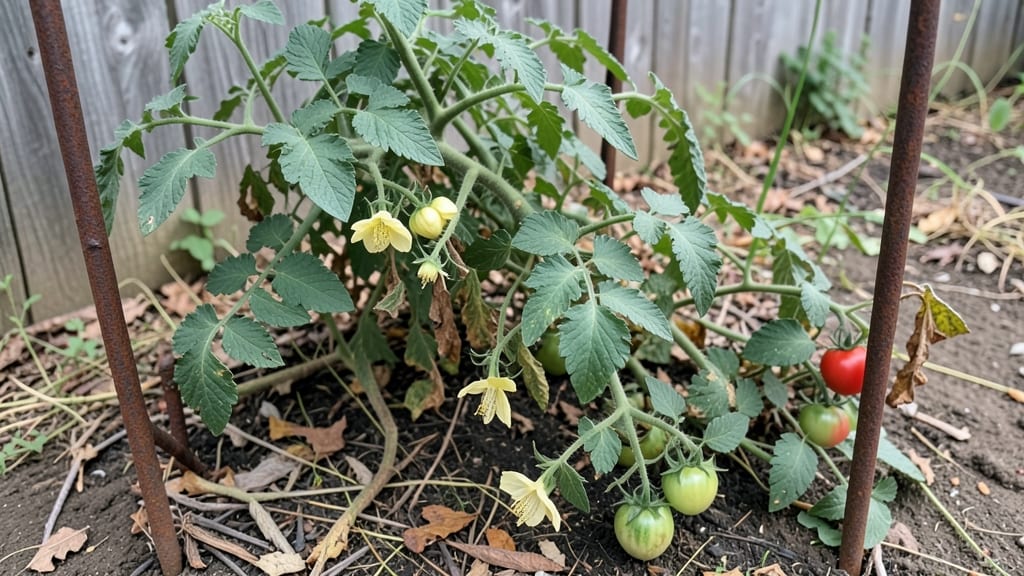
My overgrown tomato plants once looked like jungle vines instead of food producers—until I discovered the 3-prune revival method that transformed them into heavy-fruiting powerhouses. 🌱 The key isn’t just cutting branches; it’s strategically reshaping the plant to balance growth and production, so you end up with more tomatoes, not fewer.
I’ve pruned dozens of plants this way, and the difference in yield and plant health is night-and-day.
Overgrowth happens when plants get too much sun, water, or nutrients without proper pruning, leading to weak stems, disease risks, and fruit that splits under its own weight. The solution isn’t brute-force cutting—it’s targeted pruning to open airflow, strengthen stems, and redirect energy to the most productive parts.
You’ll need sharp pruners, a clean workspace, and about 20 minutes per plant, but the payoff is worth it.
After pruning, your plants will look leaner but healthier, with thicker stems and more flowers setting fruit. The first harvest arrives faster, and the plants keep producing well into fall—no more sad, leggy vines.
This method works for indeterminate varieties like Roma and Beefsteak, but even determinate tomatoes benefit from lighter pruning to improve air circulation.
Whether you’re dealing with a single plant or a whole garden full of unruly tomatoes, this approach keeps them manageable while maximizing your harvest. The best part? You’ll spend less time fighting plants and more time enjoying the fruit. Let’s get those pruners sharp and turn those vines into producers!
Root Causes of Rampant Growth
When your tomato plants stretch skyward like overzealous sun-worshippers, it’s rarely just a case of "they’re being dramatic." 🌱✨ Behind every unruly vine lies a mix of environmental cues, genetic quirks, and—let’s be honest—your own gardening habits.
Understanding why your plants go rogue is the first step to reclaiming control. Here’s the science behind their wild behavior:
Tomatoes are sun-hungry divas, but too much of a good thing can send them into overdrive. When exposed to excessive sunlight (especially 10+ hours/day) and high temperatures (above 85°F/29°C), plants ramp up photosynthesis to survive. Their response? A frantic growth spurt to maximize leaf surface area for energy absorption.
But here’s the catch: Heat also speeds up metabolic processes, including the production of ethylene, a plant hormone that triggers rapid vine elongation. The result? Lanky, leggy stems with fewer fruit sets and weaker structural support.
If your garden is a sauna, your tomatoes might be growing like they’re in a race to the sky—just to stay cool.
Actionable insight: Provide afternoon shade (especially in hot climates) with shade cloth or strategic planting near taller crops (like corn or sunflowers). Mulch heavily to keep roots cool and hydrated.
Water is the lifeblood of tomato growth, but inconsistent or excessive watering can trigger a growth frenzy. Here’s how:
- Overwatering: Soggy soil deprives roots of oxygen, forcing the plant to prioritize above-ground growth to access more light and air via larger leaves. It’s a desperate bid for survival, not a sign of health.
- Underwatering (followed by a feast): When roots are stressed, the plant conserves energy by shedding leaves and redirecting resources to shoot growth—think of it as a last-ditch effort to "reach" for water. Then, when you suddenly drench the soil, the plant overcompensates with a growth spurt.
- Inconsistent moisture: Fluctuating soil moisture confuses the plant’s hormonal balance, leading to erratic growth patterns. The hormone gibberellin (which promotes stem elongation) can surge when roots are unstable.
Actionable insight: Aim for 1–1.5 inches of water per week, delivered deeply (1–2 times per week) rather than lightly daily. Use drip irrigation or soaker hoses to keep moisture consistent at the root zone.
Tomatoes are heavy feeders, and if their diet is skewed toward nitrogen (N) or lacking key nutrients, they’ll prioritize foliage over fruit. Here’s the breakdown:
| Nutrient Issue | What Happens | Why |
|---|---|---|
| Excess Nitrogen | Lush, dark green leaves but no flowers or fruit. Vines grow like jungle vines. | Nitrogen fuels leafy growth at the expense of reproductive hormones (floral inhibitors). The plant thinks, "Let’s make more leaves to photosynthesize more!"—but forgets about tomatoes. |
| Low Phosphorus (P) | Slow root and flower development, weak stems, and delayed fruiting. | Phosphorus is critical for energy transfer and flower/fruit formation. Without it, the plant focuses on survival (roots and stems) over reproduction. |
| Calcium or Potassium Deficiency | Stems become soft and prone to cracking; leaves yellow or curl. | Calcium strengthens cell walls, while potassium regulates water and nutrient flow. Deficiencies lead to structural weakness, prompting the plant to grow faster (and floppier) to compensate. |
Actionable insight: Test your soil and balance fertilizers with a low-N, high-P/K ratio (e.g., 5-10-10 or 2-3-1). Top-dress with bone meal (phosphorus) or kelp meal (potassium) mid-season. Avoid fresh manure—it’s too high in nitrogen.
Tomatoes are short-day plants, meaning they rely on specific light and temperature cues to shift from vegetative (leafy) to reproductive (flowering/fruiting) growth. When these cues are off, they stay in "growth mode" like a teenager who never wants to grow up.
- Cool nights (below 60°F/15°C): Delays flower production, keeping the plant focused on leaf expansion.
- Long daylight hours (14+ hours): Triggers gibberellin production, promoting stem elongation over flowering.
- Sudden temperature swings: Stress hormones like abscisic acid can disrupt normal growth patterns, leading to erratic vine growth.
Actionable insight: Use row covers to moderate nighttime temperatures or plant in a partially shaded area during peak summer. For container growers, move plants to a slightly cooler spot (e.g., under a porch) if nights stay warm.
Not all tomatoes are created equal. Indeterminate varieties (like 'Sungold' or 'Brandywine') are bred to grow tall and bushy indefinitely, while determinate types (like 'Roma' or 'Celebrity') naturally cap their growth. Even within indeterminate plants, some are hyper-vigorous due to breeding for disease resistance or yield.
If your plants are genetically wired to go nuclear, pruning and training become your best tools. Look for varieties labeled as "compact" or "semi-determinate" if you prefer manageable size.
Actionable insight: Prune aggressively (see our 3-Prune Revival method!) and use trellises or stakes to direct growth upward. For heirlooms, expect to spend 10–15 minutes daily managing vines.
Revive Your Tomato Garden Now
Overgrown tomato plants can feel like a wild, unruly jungle—until you take charge! With the right techniques, you can transform tangled vines into productive, healthy plants that yield juicy tomatoes. Below are practical, step-by-step solutions tailored to common causes, plus prevention tips to keep your garden thriving.
Cause: Stretched-out growth from poor light or overcrowding.
Fix:
- 🔪 Prune Aggressively (But Strategically)
- Use clean, sharp pruners to trim back 1/3 of the plant’s height at once. Focus on removing the longest, weakest stems first.
- Cut just above a leaf joint (where small leaves meet the stem) to encourage bushier growth.
- Pro Tip: If your plant is taller than 6 feet, consider topping (cutting the main stem just above the 4th or 5th leaf cluster) to redirect energy to fruit production.
- 🌿 Support & Redirect Growth
- Install a stronger trellis or cage (like a 5-foot tomato tower) to support the plant as it regrows.
- Train vines to grow upward by gently weaving them through the support—this prevents sprawling.
- 🌞 Boost Light Exposure
- Move potted plants to a sunnier spot (tomatoes need 6–8 hours of direct sun daily).
- Thin out nearby plants to reduce competition for sunlight and nutrients.
Prevention: ✅ Start with dwarf or determinate varieties if space is limited. ✅ Use reflective mulch (like white plastic) around the base to bounce light onto lower leaves.
Cause: The plant is prioritizing foliage over fruit due to excess nitrogen or poor pollination.
Fix:
- 🍳 Balance the Nutrients
- Flush the soil with water to leach out excess nitrogen (use a 5-gallon bucket of plain water).
- Switch to a low-nitrogen, high-phosphorus fertilizer (like a 5-10-10 blend) to encourage flowering and fruiting.
- Pro Tip: A weak solution of Epsom salt (1 tablespoon per gallon) can help with fruit development.
- 🐝 Improve Pollination
- Gently shake the plant in the morning to dislodge pollen.
- If indoors or in poor weather, hand-pollinate by dabbing a paintbrush on flowers.
- Attract bees and butterflies with nearby pollinator-friendly plants (like marigolds or basil).
- 🔪 Prune for Fruit Priority
- Remove every other leaf on the lower 1/3 of the plant to improve airflow and sunlight penetration.
- Sucker control: Pinch off suckers (small shoots in the leaf axils) to redirect energy to existing fruit.
Prevention: ✅ Test your soil before planting—aim for a balanced NPK ratio (e.g., 10-10-10). ✅ Plant companion flowers (like nasturtiums) to attract pollinators early in the season.
Cause: Overwatering, poor drainage, or disease (like early blight).
Fix:
- 💧 Adjust Watering Habits
- Water deeply but infrequently (1–2 inches per week) and only at the base to prevent fungal issues.
- Check drainage: If soil stays soggy, amend with compost or perlite to improve aeration.
- Pro Tip: Use a moisture meter to avoid overwatering—tomatoes hate "wet feet."
- 🌡️ Treat Fungal Issues
- Remove infected leaves (burn or compost them away from the garden).
- Spray with a copper fungicide (like Bordeaux mixture) or a baking soda solution (1 tbsp baking soda + 1 quart water + a drop of dish soap).
- Improve airflow by pruning dense foliage and staking plants properly.
- 🌿 Revitalize with Nutrients
- Feed with a balanced liquid fertilizer (like fish emulsion or seaweed extract) to boost recovery.
- Side-dress with compost for a slow-release nutrient boost.
Prevention: ✅ Mulch with straw or grass clippings to keep soil moist but not waterlogged. ✅ Choose disease-resistant varieties (like ‘Celebrity’ or ‘Mountain Merit’) if fungal issues are recurrent.
Cause: Sudden heat or frost warnings trigger a final growth spurt.
Fix:
- 🍎 Harvest Strategically
- Pick all ripe tomatoes (even if green) and place them in a paper bag with a banana to speed up ripening.
- Pro Tip: If frost is coming, harvest green tomatoes and store them in a cool, dark place (they’ll ripen over weeks).
- 🌡️ Protect from Cold
- Cover plants with frost cloth at night to extend the growing season.
- Move potted plants indoors (to a sunny windowsill or under grow lights) if possible.
- 🔄 Reset for Next Year
- Save seeds from your best tomatoes for next season.
- Rotate crops to prevent soil-borne diseases from carrying over.
Prevention: ✅ Start a second planting 6–8 weeks before the first frost for a fall harvest. ✅ Use row covers early in the season to warm the soil faster and extend the growing period.
Final Thought: Overgrown tomato plants are a temporary setback, not a failure. With a little pruning, smart care, and preventive habits, your garden will be back to producing bountiful, flavorful tomatoes in no time! 🍅✨
Frequently asked questions about managing unruly tomato plants
Why do my tomato plants grow so tall and spindly?
Excessive heat, inconsistent watering, or too much nitrogen fertilizer can trigger rapid vertical growth. Plants stretch toward light when shaded or stressed, while overwatering forces them to prioritize leafy growth over fruit production. The solution? Balance sunlight, water deeply but less frequently, and switch to a low-nitrogen fertilizer to encourage flowering.
Can I prune my tomato plants too much?
Yes—over-pruning removes too many leaves, reducing the plant's ability to photosynthesize and support fruit. For indeterminate varieties, remove only 1/3 of the plant's height and focus on weak stems. Never cut more than 20% of foliage at once. Determinate types need minimal pruning—just remove diseased leaves and suckers.
Will pruning my overgrown tomatoes actually increase my harvest?
Strategic pruning improves airflow, reduces disease risk, and redirects energy to fruit production. Studies show pruned indeterminate plants yield 20-30% more tomatoes than unpruned ones. The key is removing only non-productive growth—never the main stem or flower clusters. Focus on weak stems and lower leaves to maximize sunlight exposure for fruit.
How do I tell if my tomato plant is overgrown or just a vigorous variety?
Compare to your plant's label—indeterminate varieties like 'Brandywine' or 'Sungold' naturally grow tall (6-12 feet), while determinate types like 'Roma' stay compact (3-4 feet). True overgrowth shows as weak stems, yellowing leaves, or excessive suckers. If your plant looks healthy but just big, it's likely just vigorous—just provide sturdy support and prune selectively.
What's the best time of day to prune tomato plants?
Prune in the early morning when plants are hydrated and temperatures are cooler. Avoid pruning in extreme heat (above 85°F/29°C) or late afternoon, as this stresses plants. Always sterilize your pruners with rubbing alcohol between cuts to prevent disease spread. Water plants thoroughly after pruning to help them recover.