
Watering
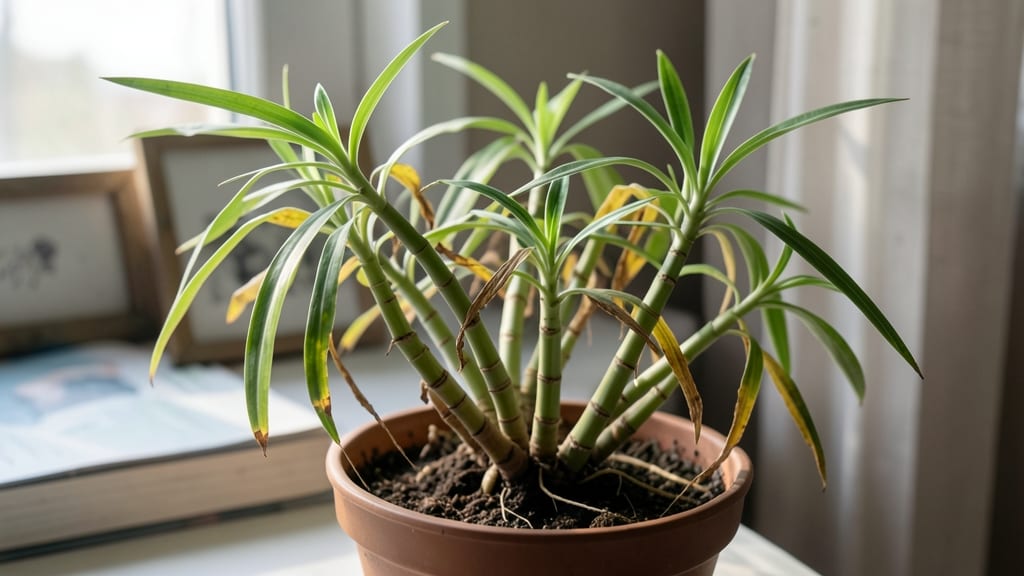
An overwatered bamboo plant can look like a sad, droopy mess—yellow leaves, mushy stems, and roots drowning in their own pot. 🌱 I’ve seen this happen more than once, and the good news is that bamboo is tougher than it looks.
The key is acting fast to drain the excess water, improve airflow, and give those roots a fighting chance.
First, check the soil—if it’s soggy or smells foul, your bamboo’s roots are suffocating. Move it to a shadier spot (bamboo hates soggy heat) and let the top inch of soil dry out completely before watering again.
Prune any yellow or mushy leaves to redirect energy to healthy growth, and consider repotting if the soil is compacted or lacks drainage.
Within a week, you’ll start seeing new green shoots as the plant recovers. The trick is adjusting your watering schedule—bamboo prefers moist but never waterlogged soil.
Stick your finger in the soil before watering: if it’s damp below the top inch, wait another day. This habit alone will prevent future overwatering disasters.
For long-term care, mix in perlite or coarse sand to improve drainage, and choose a pot with drainage holes if you’re growing in containers. Bamboo thrives on consistency, so once you find the right balance, your plant will bounce back stronger than ever—no more sad, yellowing leaves in sight.
Common Causes of Overwatering
When your bamboo plant starts showing signs of distress—like yellowing leaves, mushy stems, or foul-smelling soil—it’s often a cry for help from roots drowning in excess moisture. But why does this happen?
Overwatering isn’t just about pouring too much water; it’s a mix of environmental factors, human habits, and plant biology. Let’s break down the real culprits behind soggy soil and struggling bamboo.
Bamboo plants thrive in well-draining soil, but many gardeners unknowingly trap water in their pots. Without proper drainage, water pools at the bottom, suffocating the roots and cutting off oxygen. Here’s why this happens:
- Clay or plastic pots without holes: These materials don’t allow excess water to escape, turning the root zone into a swamp. Even if the soil looks dry on top, the bottom could be waterlogged.
- Compacted or heavy soil mixes: Clay-heavy or peat-based soils retain moisture like a sponge, slowing drainage. Bamboo roots need aeration to breathe, and dense soil strangles them.
- No gravel or mulch layer: Some pots lack a drainage layer (like pebbles or perlite) at the bottom, which helps regulate moisture flow.
Pro tip: 💡 If your pot has no drainage holes, upgrade to a terracotta or fabric grow bag with built-in aeration. For repurposed containers, drill holes or add a 1-inch layer of coarse sand/gravel at the bottom.
Bamboo plants are resilient, but their roots can’t handle a rigid watering routine—especially in humid climates or during rainy seasons. Overzealous watering (or forgetting to adjust for weather) leads to chronic sogginess. Key triggers include:
- Watering on a fixed schedule: A bamboo plant in shade needs less water than one basking in sun. Sticking to a "every 3 days" rule without checking soil moisture guarantees overwatering.
- Not accounting for rainfall: If your bamboo sits outdoors, heavy rain can saturate the soil for days. Adding more water on top turns the pot into a breeding ground for Pythium (a root-rotting fungus).
- Using a self-watering system incorrectly: These systems are great for consistency, but if the reservoir is overfilled or the wick is too absorbent, it can drown the roots.
Pro tip: ✨ Stick your finger 2 inches into the soil—if it’s damp, wait. For potted bamboo, the "topsoil dry test" is foolproof: If the top inch feels dry, it’s time to water (but only if the pot isn’t already heavy with moisture).
Bamboo roots need space to grow and access oxygen. When they’re crammed into a pot or overpotted, the soil stays wet longer because:
- Limited root expansion: Roots grow toward air and nutrients. In a too-small pot, they circle the soil, creating dense root balls that trap moisture and block drainage.
- Excessive soil volume: A pot that’s 2+ inches larger than the root system holds more water than the plant can use, leading to stagnation. Bamboo prefers snug pots until it’s mature.
- Slow evaporation: Large pots retain moisture longer, especially in cool or shaded areas. The center soil may stay wet while the top dries out—a false signal to water again.
Pro tip: 🌡️ If your bamboo is root-bound (roots circling the pot), it’s time to repot into a container just 1–2 inches wider. Use a chunky, fast-draining mix (like 60% potting soil + 30% perlite + 10% orchid bark) to improve airflow.
Bamboo is tropical, but that doesn’t mean it loves soggy conditions year-round. Temperature and humidity directly affect how fast soil dries:
- Low temperatures slow evaporation: Below 60°F (15°C), soil dries at a snail’s pace. If you’re watering as usual but the air is cool, the roots suffocate.
- High humidity traps moisture: In rainforests (or humid homes), air already holds lots of water. Adding more to the soil creates a greenhouse effect, promoting fungal growth.
- No airflow around the pot: Stagnant air near the container (like in a closed terrarium or crowded shelf) keeps the soil damp longer.
Pro tip: 🔥 In humid climates, reduce watering by 30–50% and ensure the pot has ventilation. A small fan nearby can help evaporate excess moisture without harming the plant.
Not all potting soils are created equal. Bamboo needs a balance of nutrients, aeration, and drainage. Common mistakes:
- Pure peat or coconut coir: These hold water like a sponge, choking roots. They’re great for moisture-loving plants (like ferns) but deadly for bamboo.
- Garden soil in pots: Compact and nutrient-poor, it repels water and suffocates roots. Potted plants need lightweight, airy mixes.
- No organic matter: Soil without compost or bark breaks down slowly, leading to waterlogging as the mix compacts over time.
Pro tip: 🎯 For bamboo, blend 60% peat-free potting mix with 30% perlite/pumice and 10% orchid bark or worm castings. This mimics its natural, well-draining habitat.
Revive Your Bamboo’s Roots Now
Overwatered bamboo plants can look like a lost cause—yellowing leaves, mushy stems, and roots drowning in soggy soil. But don’t toss that plant yet! With the right steps, you can nurse it back to health and prevent future waterlogging.
Below, we break down cause-specific fixes to rescue your bamboo, whether it’s suffering from root rot, nutrient loss, or fungal infections.
Signs: Soft, black, or foul-smelling roots; wilting despite wet soil; yellow/brown leaves that don’t bounce back.
Step 1: Remove the Plant Gently
👨🍳 Carefully dig up your bamboo, shaking off excess soil to inspect the roots. Use a clean knife or shears to trim any black, mushy, or slimy roots—these are dead and spreading rot.
Step 2: Disinfect the Roots
🧼 Soak the roots in a 1:10 hydrogen peroxide solution (3% hydrogen peroxide + water) for 10–15 minutes to kill fungi and bacteria. Skip this if roots are already severely damaged—move to Step 3.
Step 3: Repot in Fresh, Draining Soil
🏺 Choose a pot with drainage holes (if repotting) and fill the bottom with 1–2 inches of perlite, pumice, or gravel to improve airflow.
Use a well-draining mix: - 50% peat-free potting soil - 30% perlite or orchid bark - 20% coco coir or sand
Pro Tip: 💡 Avoid garden soil—it compacts and holds too much moisture.
Step 4: Let It Dry Out Before Watering Again
⏰ Wait 3–5 days before watering. When you do water, soak thoroughly but only when the top 2 inches of soil are dry. Use a terracotta pot—it evaporates moisture faster than plastic.
Signs: Pale yellow leaves, slow growth, or leaves that curl but don’t wilt.
Step 1: Flush Out Excess Salts & Chemicals
💦 Run water through the soil for 5–10 minutes until it drains clean from the bottom. This washes away fertilizer buildup or tap water minerals that clog roots.
Step 2: Adjust Your Watering Routine
⏳ Water only when:
- The top 1–2 inches of soil are dry (stick your finger in to check!).
- Morning is best—water evaporates faster, reducing rot risk.
- Avoid misting leaves—bamboo prefers humidity but hates soggy foliage.
Pro Tip: 🌡️ Use a moisture meter ($10 on Amazon) to avoid guesswork.
Step 3: Feed It Lightly (But Right)
🍽️ Wait 2–4 weeks before fertilizing. Then, use a balanced, water-soluble fertilizer (like 10-10-10) diluted to half strength every 4–6 weeks in growing season (spring–summer).
Avoid: Slow-release granules—they can burn weakened roots.
Signs: White, fuzzy growth on soil/roots; leaves with dark spots; slow recovery despite less water.
Step 1: Sterilize Your Tools & Pot
🧴 Wipe pruners, pots, and soil mix with rubbing alcohol (70%+) or a 10% bleach solution (rinse well after). Fungi like Phytophthora thrive in dirty tools!
Step 2: Improve Air Circulation
🌬️ Space plants 12+ inches apart (if growing multiple) or prune crowded stems to let airflow reach the base.
Step 3: Use Fungicide (If Needed)
💊 Spray with neem oil (1 tsp per quart of water) once a week for 2 weeks to stop fungal spread. For severe cases, try copper fungicide (follow label instructions).
Pro Tip: ✨ Add 1 tbsp of cinnamon or mycorrhizal fungi to soil—both have natural antifungal properties!
Once your bamboo recovers, prevent relapse with these habits:
- Check soil moisture weekly—bamboo prefers slightly dry conditions over soggy soil.
- Repot every 2–3 years to refresh soil and roots.
- Rotate the pot monthly so all sides get even sunlight.
- Avoid ice cubes or "bottom watering"—these trap excess moisture.
Your bamboo can bounce back—just give it time, patience, and the right conditions! 🌱 Next up: Spotlight on Bamboo Varieties: Which Handle Moisture Best? (Coming soon!)
Frequently asked questions about soggy bamboo
How do I know if my bamboo is truly overwatered vs. underwatered?
Check the soil first: if it’s damp below the top inch and the pot feels heavy, it’s overwatered. Look for yellowing leaves (especially lower ones), mushy stems, or roots that smell foul—these are classic signs. Underwatered bamboo shows crispy brown edges and dry, pulling soil. The key difference? Overwatered plants wilt despite wet soil.
Can I save bamboo with black, mushy roots?
Yes, but act fast! Trim all black/mushy roots with clean shears, then repot in fresh, chunky soil with perlite. Let the roots dry out for 3–5 days before watering again. If over 50% of roots are rotten, recovery may take longer—but bamboo is resilient when given proper airflow and drainage.
Why does my bamboo keep getting overwatered even when I stop?
Three likely culprits: your pot lacks drainage holes, the soil mix holds too much water, or humidity traps moisture. Try terracotta pots (they dry faster), add perlite to soil, and avoid placing bamboo in closed spaces. A moisture meter ($10) removes all guesswork—stick it in before watering!
Is it safe to use hydrogen peroxide on bamboo roots?
A 1:10 dilution (3% hydrogen peroxide + water) for 10–15 minutes kills fungi/bacteria without harming healthy roots. Rinse well afterward. For severe cases, repeat weekly until new growth appears. Just avoid using it on leaves—it can cause bleaching.
How often should I fertilize bamboo after overwatering?
Wait 4–6 weeks before fertilizing to let roots recover. Then use a balanced, diluted fertilizer (half-strength 10-10-10) every 6–8 weeks in spring/summer. Overfeeding weak roots worsens problems—stick to light applications until the plant shows new growth.