
Pests
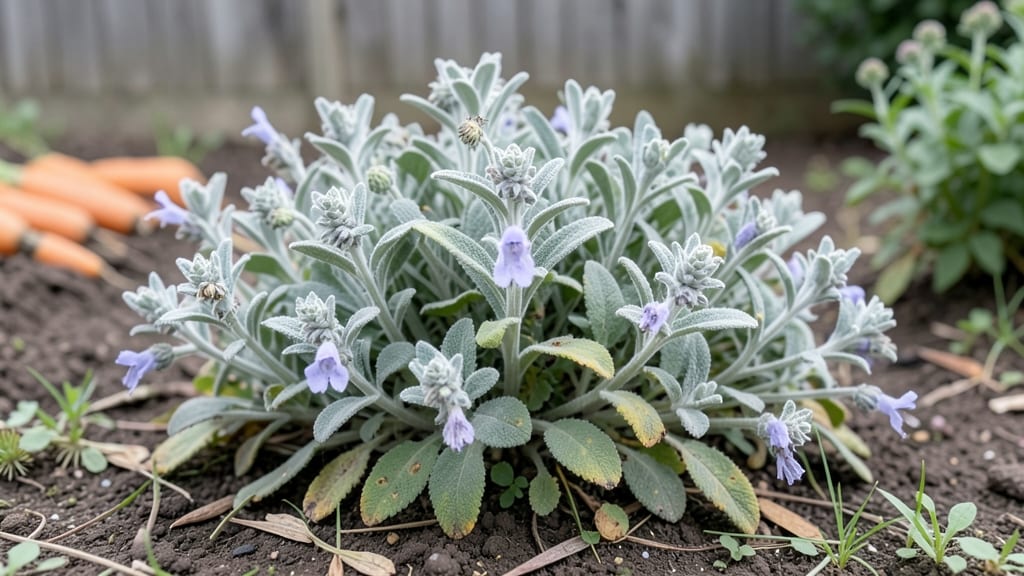
My pest-controlling plants strategy saved my garden from aphid invasions last summer—no more sticky leaves or wilting blooms. 🌿 These natural defenders work by confusing pests with strong scents or toxic compounds, so they avoid your prized plants entirely.
Marigolds, basil, and lavender aren’t just pretty; they’re the garden’s built-in security system, and I’ll show you how to place them for maximum impact.
The best part? You don’t need fancy setups—just a few strategic plants in the right spots. For example, marigolds near tomatoes repel nematodes, while basil tucked into pepper beds deters flies.
Even deer stay away from lavender borders, so your veggies stay safe without chemicals. I’ll walk you through the top combinations and where to plant them for the strongest defense.
By the end, you’ll have a garden where pests think twice before showing up. Imagine crisp lettuce, unchewed tomatoes, and blooms that stay vibrant all season—no more losing battles to hungry bugs.
The key is placement and timing, and I’ve got the foolproof plan to make it work in any yard.
Works for vegetable gardens, flower beds, and even container setups on patios. Let’s turn your garden into a pest-free zone—naturally.
Natural Reasons Pests Invade Gardens
Pests don’t just randomly wander into your garden—they’re drawn by specific triggers tied to plant biology, environmental conditions, and even human behavior. Understanding these causes helps you strategically place pest-repelling plants to disrupt their life cycles and feeding habits.
Let’s break down the science behind why pests target gardens and how certain plants can outsmart them.
Some garden plants act like neon signs for insects and rodents, emitting volatile organic compounds (VOCs) that signal "food" or "shelter."
For example: - Sweet-smelling herbs like basil and mint release linalool and eugenol, which attract bees—but also aphids, whiteflies, and spider mites. - Fruiting plants (e.g., tomatoes, peppers) produce sugary nectar or fruits, triggering fruit flies, hornworms, and even raccoons. - Decaying organic matter (e.g., compost piles) emits ammonia and sulfur compounds, drawing fungus gnats, slugs, and rodents.
Actionable fix: Interplant these with pest-repelling species like marigolds (emit alpha-terthienyl, a natural insect deterrent) or garlic (releases diallyl disulfide, toxic to many pests).
Plants under stress—whether from drought, poor soil, or overcrowding—become easier targets for pests.
Here’s why: - Drought-stressed plants produce higher sugar levels in leaves, making them more appealing to aphids and Japanese beetles. - Nitrogen-deficient soils create softer, more tender foliage, inviting cabbage worms and slugs. - Overwatered roots release ethanol and acetic acid, attracting fungus gnats and root maggots.
Actionable fix: Use drought-tolerant repellents like lavender (thrives on neglect and deters fleas) or soil-enriching companions like comfrey (boosts nitrogen while confusing pests with its strong scent).
Pests don’t just eat your plants—they follow ecological networks.
For instance: - Aphids on roses attract ladybugs (their predators), but also ants (which protect aphids for their honeydew). - Squirrels and deer munch on hostas but are also drawn to acorns and fallen fruit, making them persistent garden raiders. - Rodents (e.g., voles) tunnel near dense ground covers like ivy or hostas, using them as nesting material.
Actionable fix: Disrupt the chain with multi-layered defenses:
- Plant catnip (confuses cats) near veggie patches.
- Use barrier plants like boxwood (thorny, rodent-resistant) around perimeter edges.
- Add trap crops (e.g., nasturtiums for aphids) to lure pests away from prized plants.
Some pests are specialized predators that target specific plant families or chemical profiles.
Examples: - Japanese beetles zero in on grapevines and roses because these plants lack tannins, making them easier to digest. - Cabbage worms prefer Brassicaceae (cabbage, broccoli) because their larvae can detoxify glucosinolates (compounds that repel other pests). - Whiteflies are drawn to yellow-sticky surfaces (like squash leaves), which mimic their host plants’ wavelengths.
Actionable fix: Introduce chemical mimics or false hosts:
- Marigolds (emit alpha-terthienyl) deter nematodes and whiteflies.
- Chives and onions (release sulfur compounds) confuse carrot flies.
- Borage (produces prickly hairs) deters squash bugs.
Pests have peak activity periods aligned with plant growth stages:
- Spring: Aphids and cutworms attack new shoots (high in water, low in defenses).
- Summer: Japanese beetles and squash bugs target flowering plants (sweet nectar = easy meals).
- Fall: Rodents and slugs feast on decaying leaves and fallen fruit.
Actionable fix: Time your repellent plantings:
- Early spring: Plant garlic chives (deters early aphids).
- Mid-summer: Add tansy (releases thujone, toxic to beetles).
- Fall: Mulch with cedar chips (natural rodent deterrent).
Even well-meaning gardening practices can invite pests:
- Over-fertilizing with nitrogen creates soft, sugary growth (aphid buffet).
- Monoculture planting (e.g., rows of tomatoes) signals pests: "All you can eat!"
- Ignoring fallen fruit/leaves creates breeding grounds for flies and rodents.
Actionable fix: Adopt pest-disrupting routines:
- Interplant with basil (repels thrips) among tomatoes.
- Rotate crops to confuse pests like corn earworms.
- Clean up debris regularly—wood chips near foundations attract termites!
Key Takeaway: Pests invade because your garden offers food, shelter, or stress signals. By strategically placing pest-controlling plants, you’re not just adding greenery—you’re rewriting the rules of the ecosystem to work against invaders. 🚫🐛✨
How to solve it
If pests have already claimed parts of your garden, don’t panic—nature’s got your back with pest-controlling plants that can turn the tide. Below are targeted solutions for common invaders, paired with preventive strategies to keep your garden thriving long-term. Think of these as your green army ready for battle!
Cause: Ants scout for food, especially sweets and proteins, and leave trails that invite other pests like aphids.
Fix: Deploy mint, lemon balm, or tansy near entry points (windows, doors, or garden beds). Their strong scents disrupt ant pheromone trails. For stubborn colonies, create a barrier of diatomaceous earth (food-grade) or crush cloves around the nest—ants avoid both.
- 🔥 Quick Action: Sprinkle crushed citrus peels or coffee grounds along ant highways.
- 🌱 Prevention: Keep compost bins sealed and store pet food outdoors. Ants hate lavender too—plant it near patios!
Cause: These slimy pests thrive in damp, shaded areas and feast on young seedlings and tender plants.
Fix: Set up beer traps (bury a shallow container filled with beer) or create copper tape barriers (slugs dislike the electric charge). For repellents, plant garlic, chives, or thyme—their pungent aroma deters them.
- 🍳 DIY Slug Goop: Mix 1 part cornmeal + 1 part water and spray on leaves. Slugs eat it, expand, and burst!
- 🌡️ Prevention: Water gardens in the morning (not evening) to reduce humidity. Use gravel mulch around plants to discourage hiding.
Cause: These sap-sucking pests cluster on new growth, weakening plants and spreading viruses.
Fix: Introduce ladybugs, lacewings, or parasitic wasps (order online or attract them with dill, fennel, or yarrow). For immediate relief, blast aphids off with a soapy water spray (1 tsp mild soap per quart of water).
| Plant Allies | How to Use |
|---|---|
| Marigolds | Plant near aphid-prone crops (e.g., roses, beans). Their scent confuses aphids. |
| Basil | Crush leaves and rub on infested stems—aphids flee the eugenol oil. |
💡 Pro Tip: Avoid chemical sprays—aphids rebound stronger and harm beneficial insects!
Cause: Standing water (pots, gutters, birdbaths) becomes a breeding ground for these bloodsuckers.
Fix: Plant citronella grass, lemongrass, or catnip near seating areas—their citral oil repels mosquitoes. For stagnant water, add mosquito fish (gambusia) or duckweed, which they avoid.
- ⏰ Timed Attack: Release bat boxes near your garden—bats eat 5,000 mosquitoes/hour!
- 🎯 Prevention: Empty water containers weekly and keep grass mowed short (mosquitoes hide in tall grass).
Cause: Mice and rats seek shelter and food, often targeting stored veggies or compost piles.
Fix: Plant castor beans, daffodils, or alliums (onions, garlic)—their toxins and odors repel rodents. For active infestations, use peppermint oil-soaked cotton balls in problem areas (reapply weekly).
- 🔪 Humane Trap: Set live traps with peanut butter as bait; release rodents far from your garden.
- 🌱 Prevention: Store firewood elevated and covered, and avoid leaving fallen fruit or seeds.
🌿 Remember: The key to long-term pest control is diversity. Mix repellent plants with pollinator-friendly flowers (like marigolds or sunflowers) to create a balanced ecosystem. Your garden will become a fortress—and a haven for wildlife!
Frequently asked questions about pest-repelling plants
Which plants are most effective against mosquitoes?
Citronella grass, lemongrass, and catnip are top choices for mosquito control. Plant them near seating areas or patios—their citral oil disrupts mosquitoes' ability to detect hosts. For maximum impact, combine them with bat boxes (bats eat 5,000 mosquitoes/hour) and eliminate standing water sources.
Can I use pest-repelling plants in containers?
Basil, mint, and marigolds thrive in pots and work just as well as in-ground plantings. Use 10-12 inch containers with drainage holes for herbs, and hanging baskets for trailing plants like nasturtiums. Just ensure they get enough sunlight—most repellent plants need 6+ hours of direct sun daily.
How do I prevent pests from adapting to my repellent plants?
Rotate your repellent plants seasonally to prevent pests from building resistance. For example, plant tansy in summer (deters beetles) and garlic chives in spring (confuses aphids). Mix in trap crops like nasturtiums (aphid magnets) to lure pests away from your main plants. Diversity keeps pests guessing!
Will pest-repelling plants harm beneficial insects like bees?
Most repellent plants are safe for bees when used strategically. Avoid planting strong scents like mint or tansy directly where bees forage—position them at garden edges instead. Choose bee-friendly repellents like basil or lavender, which deter pests but attract pollinators. Always provide clean water sources for bees near your garden.
How long does it take for repellent plants to work?
Most pest-repelling plants show results within 2-4 weeks of planting, but some (like marigolds) start working immediately. For best results, plant repellents 3-4 weeks before pests become active in your area. Combine with physical barriers (e.g., copper tape for slugs) for faster protection during critical growing seasons.