
Trees
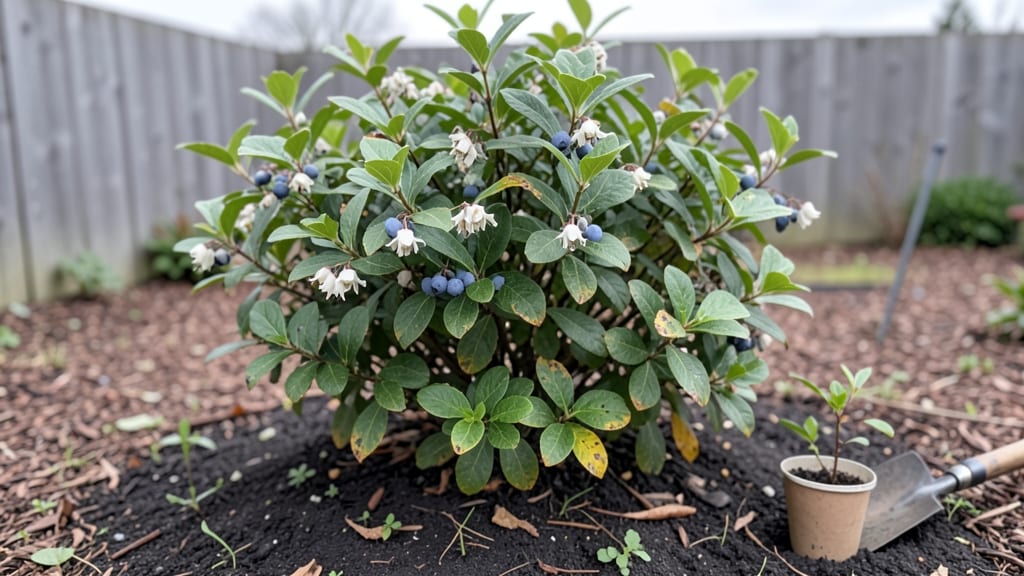
Planting the blueberry trees from seedlings lets you enjoy harvests in just three seasons—if you nail the soil, spacing, and early care. I’ve planted dozens, and the difference between a thriving bush and a struggling one often comes down to those first few weeks.
The key isn’t just digging a hole; it’s creating the right acidic environment where roots can spread freely.
You’ll need well-draining soil with a pH between 4.5 and 5.5—think pine mulch, peat moss, or sulfur amendments if your native soil is alkaline. Southern highbush varieties handle heat better, while northern types need winter protection.
Containers work too, but they require larger pots (at least 20 gallons) and regular acid fertilizer. Most mistakes start with ignoring these basics.
After planting, keep the soil moist but not soggy for the first month, then ease off to deep watering once a week. Prune in late winter to open the center, and mulch heavily to retain moisture and acidity.
By season three, you’ll see strong canes and—if all goes right—those first sweet, deep-blue berries. The payoff makes the effort worth it.
Works for backyard gardens, small farms, or even large containers—just adjust spacing (6–10 feet apart) and winter prep based on your zone. Here’s how to set yours up for success from day one.
📚 In This Guide
- What you need
- Instructions
- Tips and common mistakes
- Wrapping up and next steps
What you need
- ● Blueberry seedlings: 1–3 (choose varieties like Rabbiteye, Southern Highbush, or Northern Highbush based on your climate zone).
- ● Well-draining soil: Mix of peat moss, compost, and sand (or use pre-mixed acidic soil, pH 4.5–5.5).
- ● Organic mulch: Pine needles or wood chips (2–3 inches thick).
- ● Fertilizer: Acid-loving plant fertilizer (e.g., cottonseed meal or ammonium sulfate).
- ● Shovel & garden fork: For digging holes (12–18 inches deep).
- ● Pruners: Sharp, clean pair for trimming.
- ● Watering can or hose: With a gentle spray nozzle.
- ● Gloves & knee pads: For comfort during planting.
- ● Soil pH test kit: To monitor acidity levels.
- ● Drip irrigation system: For consistent moisture.
- ● Bird netting: To protect ripening berries.
- ● Epsom salt: Boosts magnesium (1 tbsp per plant, monthly).
- ● Row cover: For frost-sensitive seedlings.
Step-by-Step instructions for planting blueberry trees
Here's how to get your blueberry bushes off to the strongest start possible.
Choose the Right Location and Prepare the Soil
Blueberries thrive in acidic soil with a pH between 4.5 and 5.5. Test your soil first—most garden centers sell simple test kits. If your soil is too alkaline, you'll need to amend it with sulfur or peat moss before planting. I like to dig a hole twice as wide as the root ball but only as deep as the container it came in.
Loosen the soil at the bottom of the hole with a garden fork to encourage root spread. Mix in 2-3 inches of compost and a handful of sulfur (if needed) to lower the pH. Avoid fresh manure—it can burn delicate roots. Once the hole is ready, set the seedling in so the top of the root ball sits just below soil level. This prevents the roots from drying out as they establish.
Plant the Seedlings at the Correct Depth and Spacing
For four blueberry bushes, space them 8-10 feet apart—this gives them room to grow without competing for nutrients. Dig a hole twice as wide as the root ball but only as deep as the container it came in. Gently remove the seedling from its container and loosen any circling roots with your fingers. This prevents girdling as the plant matures.
Place the seedling in the hole so the top of the root ball is level with the surrounding soil. Fill the hole halfway with soil, then water deeply to settle it. This ensures no air pockets remain around the roots. Once watered, finish filling the hole and mound soil slightly around the base to create a small watering well. This keeps moisture where it belongs.
Mulch and Water for Initial Establishment
Spread 3-4 inches of pine bark mulch (not wood chips) around the base of each plant, keeping it 2-3 inches away from the trunk. Mulch retains moisture, regulates soil temperature, and slowly releases acidity as it breaks down. Avoid piling mulch against the stem—this can trap moisture and invite rot.
Water deeply right after planting—soak the soil until it’s 6 inches down. You’ll know it’s enough when water runs out the drainage holes if you’re using containers. After that, water every 2-3 days until new growth appears. Blueberries are shallow-rooted, so consistent moisture is key. If the soil feels dry 1 inch below the surface, it’s time to water again.
Provide Proper Care for the First Growing Season
Blueberries need full sun (6-8 hours daily) to produce fruit, but they also appreciate afternoon shade in hot climates. If your bushes get scorched leaves by late afternoon, consider a light shade cloth until they establish deeper roots. Prune in late winter or early spring before buds swell—remove any dead, diseased, or crossing branches to improve airflow.
Fertilize in early spring with an acid-loving plant fertilizer (look for one with high nitrogen and low phosphorus). Follow the package rates—over-fertilizing can burn roots. Watch for yellowing leaves, which often means the soil pH is too high. If this happens, add more sulfur and retest the soil in a few months. Patience is key—blueberries take 2-3 years to bear fruit, but proper care now ensures a lifetime of harvests.
Tips & tricks for planting blueberry trees
Planting blueberry bushes is a long-term investment, and these practical tips will help you avoid the most common mistakes that can set your plants back for years.
Soil Preparation is Everything: In Step 1, when you're preparing your holes, take an extra 10 minutes to thoroughly mix the 2-3 inches of compost and sulfur into the bottom of the hole. I've seen many gardeners skip this step, only to have their blueberries struggle with nutrient uptake for years. Use a garden fork to create a loose, well-aerated soil mix—this encourages those critical root hairs to develop properly. The goal is to create a perfect acidic environment right where the roots will grow.
Root Ball Placement Matters: When positioning your seedlings in Step 2, pay special attention to the root ball's position relative to the surrounding soil. The top of the root ball should sit just below soil level, never above it. I've learned this the hard way—when roots are exposed, they dry out quickly, and the plant wastes energy trying to establish above ground instead of growing roots. If you're unsure, place the seedling in the hole first, then adjust the soil level before filling completely.
Watering Strategy for First 30 Days: After planting, your watering routine in Step 3 is critical for the first month. Instead of just watering every 2-3 days, I recommend checking soil moisture daily during the first week. Stick your finger 1 inch below the surface—if it's dry, water deeply until it's moist 6 inches down. This establishes a strong root system early. Also, water in the morning so the leaves have time to dry before evening, reducing the risk of fungal diseases.
Mulching Technique: When applying the 3-4 inches of pine bark mulch in Step 3, keep it 2-3 inches away from the trunk to prevent moisture buildup that can cause rot. I've found that mulching too close creates a perfect environment for stem rot, especially in humid climates. Also, refresh the mulch layer every spring—it breaks down over time and loses its acidifying properties. This simple maintenance keeps your soil pH optimal year after year.
Pro Tips for Planting Blueberry Trees
- Planting blueberry bushes is a long-term investment, and these practical tips will help you avoid the most common mistakes that can set your plants back for years.
- Soil Preparation is Everything: In Step 1, when you're preparing your holes, take an extra 10 minutes to thoroughly mix the 2-3 inches of compost and sulfur into the bottom of the hole.
- Root Ball Placement Matters: When positioning your seedlings in Step 2, pay special attention to the root ball's position relative to the surrounding soil.
Frequently asked questions
Got questions about growing your own blueberry trees? Here are some of the most common ones—plus straightforward answers to help you succeed!
How long does it take for blueberry trees to bear fruit?
Blueberry trees typically take 2–3 years from planting to produce their first harvest, depending on the variety and growing conditions. Dwarf varieties may fruit sooner (1–2 years), while standard-sized trees can take up to 4 years. Patience pays off—consistent care (like proper pruning and soil acidity) speeds up the process!
What’s the best time of year to plant blueberry trees?
The ideal window is late fall to early spring (before buds swell), when soil is workable but not frozen. Spring planting (March–April) works too, but avoid extreme heat. Never plant in summer! Bare-root seedlings thrive in cooler temps and establish roots before summer stress sets in.
Can I grow blueberries in containers or small gardens?
Dwarf varieties (like ‘Top Hat’ or ‘Peach Sorbet’) thrive in 5-gallon pots or raised beds (12–18 inches deep). Use well-draining, acidic soil (pH 4.5–5.5) and fertilize with acid-loving plant food. Containers need daily watering in hot weather—just mimic the moisture of a forest floor!
Why aren’t my blueberry leaves turning purple, and is that a problem?
Purple leaves usually signal phosphorus deficiency or stress from alkaline soil (pH >6.0). Test your soil—blueberries need acidity! Fix it by:
Ripe blueberries are deep blue-purple (almost black) with a powdery bloom and easily detach from the stem when gently tugged. Avoid picking when they’re still red or hard—they won’t sweeten further off the bush! Harvest on a dry morning to prevent bruising, and pick every 2–3 days to encourage more fruit.
If leaves stay yellow/green but soft, check for overwatering or pests (like spider mites).
How do I know if my blueberries are ripe and ready to pick?
Pro Tip: Freeze extras! Spread blueberries on a tray, freeze, then transfer to bags for smoothies or baking year-round.
Wrapping up and next steps
Planting blueberry trees is a rewarding journey that yields delicious fruit and stunning foliage—and you’ve got this! 🌱 From selecting the right variety to nurturing your seedlings through seasons, every step brings you closer to a bountiful harvest. Now’s the time to roll up your sleeves, grab your gloves, and watch your garden flourish.
Ready to take the next step? Start by marking your planting spot and gathering your tools—your blueberry bushes are waiting for their new home! 🌿