
Diseases
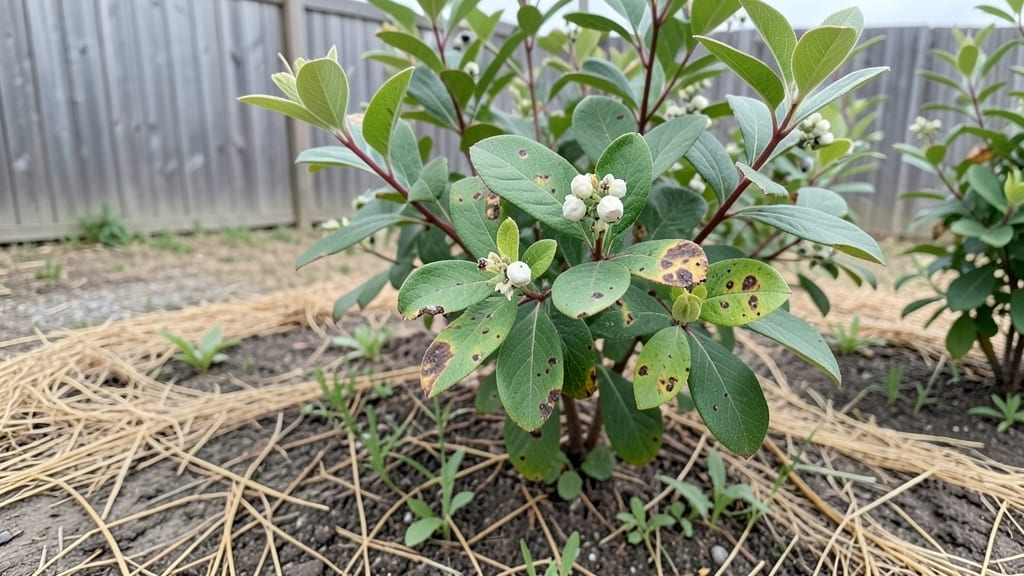
These blueberry plant diseases pictures I’ve collected over the years will help you spot trouble before it ruins your crop—because those early warning signs?
They’re your best defense. 🌿 The key is knowing what to look for before the leaves yellow or berries rot. because by then, it’s often too late to save that season’s crop.
Most fungal diseases start with tiny specks or fuzzy growth that spreads when humidity lingers. I’ve tracked down every one of these 10 foes—from the telltale powdery mildew on leaves to the sunken, mushy patches of fruit rot—so you don’t have to guess.
Each disease has a signature look, and once you recognize it, you can act fast with the right fungicide or cultural fix.
You’ll walk away knowing exactly which diseases to watch for in your zone, how to tell them apart at a glance, and the simple prevention tricks that cut infections by half. No more mystery spots or wasted bushes—just clear pictures and step-by-step fixes that actually work.
Whether you’re dealing with mummy berry’s mummified fruit or botrytis blight’s gray mold, this guide gives you the visual clues and actionable fixes to protect your bushes year after year. Let’s get those plants thriving again.
Root Causes Of Blueberry Ailments
Blueberry plants, like any living organism, are vulnerable to diseases—but many of these issues don’t just happen randomly. Understanding the why behind common blueberry diseases helps you take proactive steps to protect your bushes.
Below, we break down the key factors that create the perfect storm for fungal infections, bacterial attacks, and other plant stressors.
Fungal diseases are the #1 culprit in blueberry plant decline, and they thrive when conditions are just right—think of them as nature’s opportunists. Here’s how they exploit your garden:
- Excessive Moisture: Fungi like Botrytis cinerea (gray mold) and Phytophthora (root rot) need damp environments to spread. Poor drainage, overhead watering, or heavy dew creates a film of water on leaves and soil, giving spores a highway to infect wounds or stomata (tiny leaf pores). Pro tip: Aim for 1–1.5 inches of water per week and water at the base, not the foliage. 💡
- Warm, Humid Climates: Fungi love temperatures between 60–80°F (15–27°C). If your blueberries are planted in a low-lying area where humidity lingers, spores germinate faster. Action step: Space bushes 4–6 feet apart for airflow and prune to improve circulation. ✨
- Old Debris & Mulch: Leftover leaves, fruit mummies, or thick mulch layers trap moisture and harbor overwintering spores. Monilinia (mummy berry) and Venturia (leaf spot) can lie dormant in organic matter until conditions warm up. Fix it: Remove fallen fruit and rake up leaf litter in late fall before winter. 🔥
Unlike fungi, bacteria don’t need moisture to survive—but they do need an open door. Blueberry plants often get infected through:
- Physical Damage: Pruning cuts, hail, or insect bites create entry points for Xanthomonas campestris (bacterial leaf scorch) or Pseudomonas syringae (bacterial blight). Prevent it: Use sterilized pruners and avoid wounding plants during rainy weather. 🔪
- Contaminated Tools/Water: Bacteria hitchhike on dirty shears, splashing water, or even bird droppings. Solution: Clean tools with 70% rubbing alcohol between cuts and avoid overhead irrigation. ⏰
- Stress from Environmental Shocks: Sudden temperature swings (e.g., frost followed by heat) or nutrient deficiencies weaken plants, making them 3x more susceptible to bacterial infections. Boost defenses: Test soil pH (blueberries need 4.5–5.5) and fertilize with acid-loving plant food in early spring. 🌡️
Some diseases don’t act alone—they’re team players with pests. For example:
- Japanese Beetles & Spider Mites: These insects chew leaves, creating wounds that invite fungal infections like Anthracnose. Combat them: Handpick beetles early morning or use neem oil as a deterrent. 👨🍳
- Birds & Rodents: They spread mummy berry spores (from infected fruit) across your bushes. Discourage them: Install bird netting over ripening fruit and use physical barriers (like hardware cloth) for rodents. 🦉
- Weakened Roots from Nematodes: Microscopic root-knot nematodes feed on blueberry roots, reducing nutrient uptake and making plants vulnerable to root rot. Test soil for nematodes and rotate crops if possible. 💡
Blueberries are fussy about their environment—and when conditions stray from their preferences, diseases move in:
| Factor | Ideal Condition | Disease Risk If... |
|---|---|---|
| Soil pH | 4.5–5.5 (acidic) | pH >6.0 → Chlorosis (yellowing) + weakened immunity to Phytophthora. Use sulfur or peat moss to acidify soil. 📊 |
| Drainage | Well-draining, sandy loam | Compacted/clay soil → Root rot from waterlogging. Amend with compost or perlite. 💪 |
| Sunlight | Full sun (6+ hours/day) | Shady spots → Powdery mildew (fungus loves low light + humidity). Prune nearby trees if needed. 🍎 |
Quick Fixes for Blueberry Blight
Blueberry plants may face diseases like mummy berry, botrytis blight, or powdery mildew, but with the right steps, you can restore their health—and even prevent future outbreaks. Below are targeted solutions for each common issue, along with prevention tips to keep your bushes thriving.
Mummy berry turns fruit into shriveled, blackened husks—here’s how to kill the fungus and protect next year’s crop.
Step-by-Step Treatment
🍳 Remove Infected Fruit & Debris
- Pick up all mummified berries (even fallen ones) and burn or trash them—do not compost.
- Rake up leaf litter under bushes, as spores overwinter there.
👨🍳 Apply Fungicide Early
- Spray copper fungicide (like Cueva or Cheshunt Compound) before bud break (late winter/early spring).
- Follow up with organic options like neem oil or baking soda spray (1 tbsp baking soda + 1 tsp soap per gallon of water) every 2 weeks during bloom.
⏰ Adjust Planting & Pruning
- Space plants 6+ feet apart for better airflow.
- Prune in late winter to remove dead wood and improve sunlight penetration.
💡 Pro Tip: If mummy berry is severe, consider planting resistant varieties like Duke, Premier, or Jersey—they tolerate the disease better!
This fuzzy, gray fungus rots flowers and fruit, especially in wet conditions. Stop it fast with these moves.
Step-by-Step Treatment
🔪 Trim & Thin Canes
- Remove overcrowded branches and dead flowers (they trap moisture).
- Space plants properly (3–4 feet apart) to reduce humidity.
🌡️ Improve Airflow & Drainage
- Mulch with straw or pine needles (keep 2–3 inches away from stems).
- Water at the base (avoid overhead sprinkling) and water early in the day so foliage dries fast.
✨ Use Fungicidal Sprays
- Preventative spray: Captan or myclobutanil (follow label rates).
- Organic fix: Hydrogen peroxide spray (1 tbsp per gallon of water) every 10 days during bloom.
🎯 Prevent Future Outbreaks
- Avoid late-season nitrogen (it encourages soft, susceptible growth).
- Harvest ripe berries promptly—don’t let them linger on the bush.
This white, powdery coating weakens leaves but is easy to control with simple fixes.
Step-by-Step Treatment
💦 Boost Air Circulation
- Prune to open the canopy (remove crossing branches).
- Space plants 4–5 feet apart if possible.
🍎 Spray Fungicides Proactively
- Baking soda spray (1 tbsp baking soda + 1 tsp soap + 1 gallon water) every 7–10 days.
- Neem oil (1% solution) at first sign of mildew.
🔥 Prevent with Proper Care
- Water deeply but infrequently (avoid wetting leaves).
- Choose resistant varieties like Bluecrop or Patriot if mildew is recurrent.
No matter the issue, these habits keep blueberries healthy year-round:
✅ Rotate fungicides (don’t use the same one repeatedly). ✅ Test soil pH (blueberries need 4.5–5.5; amend with sulfur if too high). ✅ Plant in full sun (6+ hours daily) and well-draining soil. ✅ Monitor regularly—catch diseases early for easier fixes!
Remember: The key to happy blueberries is prevention + quick action. With these steps, your bushes will bounce back—and next season, they’ll be disease-resistant superstars! 🌿💙
Frequently asked questions about blueberry plant diseases
How can I tell if my blueberry leaves have powdery mildew vs. rust?
Powdery mildew appears as a white, powdery coating on both leaf surfaces, while rust shows up as orange-brown pustules on the undersides. Check the leaf undersides first—rust is usually more localized, while mildew blankets entire leaves. Both thrive in humid conditions but respond to different sprays (neem oil for mildew, copper fungicide for rust).
What’s the fastest way to confirm if my blueberry bushes have mummy berry?
Look for small, black, mummified berries still clinging to branches or on the ground—these are the disease’s calling cards. Split one open to see if it’s hollow with tiny black dots (spores). Compare with pictures in our guide to spot the difference between mummy berry and normal shriveled fruit. Remove all infected berries immediately.
Can I use the same fungicide spray for all blueberry diseases?
No—fungicides target specific pathogens. For example, copper-based sprays work on mummy berry and anthracnose but won’t stop powdery mildew. Always check the label and rotate fungicides to prevent resistance. Organic options like baking soda (for mildew) or neem oil (for general prevention) are safer but less broad-spectrum.
Why do my blueberry leaves turn yellow even when I’m not seeing obvious diseases?
Yellowing leaves often signal nutrient deficiencies (especially iron or nitrogen) or pH issues—blueberries need acidic soil (pH 4.5–5.5). Test your soil and amend with sulfur if it’s too alkaline. Check for chlorosis (yellowing between veins) which is classic for iron deficiency, even if no diseases are present.
How often should I inspect my blueberry plants for early disease signs?
Check your bushes every 7–10 days during growing season, focusing on new growth, leaves, and fruit. Pay extra attention after rain or high humidity—these are peak times for fungal spores to activate. Early detection means easier treatment and less damage to your crop.