
Vegetables
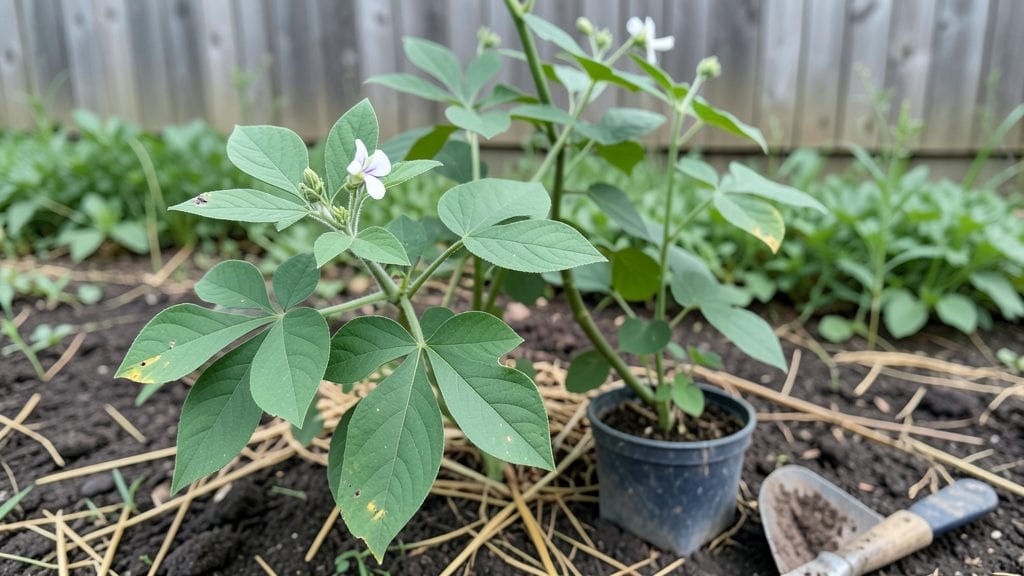
Planting butter beans means 30-day harvests from seed—no waiting months for store-bought plants to catch up. I learned the hard way that these vines thrive when you mimic their tropical roots: warm soil, consistent moisture, and a trellis to climb.
The first time I grew them, I missed the 60-degree soil mark by a week, and the seeds rotted before sprouting. Now I test soil temp with my finger—if it feels cool to the touch, wait a few more days.
You’ll need a sunny spot with 6+ hours of direct light, well-draining soil mixed with compost, and a sturdy trellis or fence for support. Butter beans grow 12-18 inches tall but spread aggressively, so space seeds 4-6 inches apart in rows 18 inches apart.
The key to fast growth? Water at the base—never overhead—to prevent fungal diseases that slow them down. I swear by a drip irrigation line for mine; it keeps the soil evenly moist without wetting the leaves.
By week 4, you’ll be harvesting tender pods straight from the vine, and the plants keep producing for months if you keep them fed with nitrogen-rich fertilizer. The flavor? Creamy, buttery, and sweeter than store-bought—especially when picked young.
The best part? These vines handle heat better than most beans, so they’re perfect for late-summer plantings too. Once you try them, you’ll never buy canned butter beans again.
Here’s the secret most beginners miss: companion planting. Pair them with corn and squash to create a natural guild that improves soil and deters pests. And if you’re in a short season? Start seeds indoors 4-6 weeks before last frost—they germinate fast, so you won’t lose time.
The faster you get them in the ground, the sooner you’ll be snacking on fresh-picked pods straight from the vine.
📚 In This Guide
- What you need
- Instructions
- Tips and common mistakes
- Wrapping up and next steps
What you need
- ● Butter Bean Seeds: 1–2 lbs (or ~100–200 seeds, depending on your garden size). Choose heirloom varieties like ‘Fordhook’ or ‘Contender’ for best results.
- ● Growing Space: In-Ground Garden: 18–24 inches of row spacing per plant (or 3–4 feet between hills). Butter beans love full sun (6+ hours/day).
- ● Containers: At least 12-inch-deep pots with drainage holes (1 plant per container). Use a 5-gallon bucket or larger for better stability.
- ● Soil: Well-draining, loamy soil with a pH of 6.0–7.0. Amend with compost (2–3 inches mixed into the top 6 inches of soil).
- ● Fertilizer: Balanced Fertilizer: 10-10-10 or 5-10-10 (apply at planting, ~1 tbsp per plant).
- ● Organic Option: Aged manure or compost tea (1 cup per plant every 4–6 weeks).
- ● Watering Supplies: Hose with a gentle spray nozzle or drip irrigation system (butter beans hate soggy roots!).
- ● Watering can (for container gardening).
- ● Trellis or Support: 6–8-foot-tall bamboo stakes, wire trellis, or A-frame structure (butter beans are vining plants!).
- ● Mulch: Straw or wood chips (2–3 inches thick) to retain moisture and suppress weeds.
- ● Plant Markers: Labels or popsicle sticks to track varieties (especially useful if growing multiple types).
- ● Row Cover: Lightweight fabric to protect seedlings from pests or frost (remove once plants are established).
- ● Pruning Shears: For trimming overgrown vines or harvesting pods.
- ● Soil pH Test Kit: Ensures your soil is in the ideal range before planting.
- ● Harvest Basket or Mesh Bag: Gently collects pods without damaging the plant.
Step-by-Step instructions for planting butter beans
Here's how to grow these quick-yielding vines with minimal fuss—ready for harvest in just 60 days.
Prepare the Soil and Planting Site
Butter beans thrive in well-draining soil with a pH between 6.0 and 7.0. Before planting, loosen the top 12 inches of soil with a garden fork to improve aeration and root penetration. Work in 2-3 inches of compost (from your ingredients list) to enrich the soil naturally—this ensures fast growth and plump pods.
Choose a location that receives full sun (6-8 hours daily). Butter beans are heat-tolerant but appreciate afternoon shade in 90°F+ temperatures to prevent wilting. If planting in containers, ensure pots are at least 12 inches deep with drainage holes to prevent root rot.
Sow Seeds at the Right Depth and Spacing
Plant 4-5 seeds per hill, spacing hills 18 inches apart in rows 3 feet apart. Press seeds 1 inch deep into the soil—deeper planting slows germination, and shallower sowing risks drying out the seeds. For container planting, sow 2-3 seeds per 12-inch pot to allow for thinning later.
Water the soil thoroughly after planting to settle the seeds and encourage consistent moisture. Keep the soil evenly moist (not soggy) until germination, which typically occurs in 7-10 days at 70-85°F soil temperatures. Avoid overhead watering during this stage to prevent seed rot.
Provide Support and Maintain Moisture
Butter beans are vigorous vines that benefit from trellising or staking. Install 5-6 foot tall stakes or a strong trellis at planting time to support the plants as they grow. Gently guide the vines upward as they climb—this improves air circulation and reduces disease risk.
Water deeply twice weekly during dry spells, aiming for 1 inch of water per week. Let the top 2 inches of soil dry between waterings to prevent fungal issues. Mulch around the base with 2-3 inches of straw to retain moisture and suppress weeds—this is especially critical in hot, dry climates where beans wilt quickly.
Thin and Fertilize for Maximum Yield
Once seedlings reach 3-4 inches tall, thin to the strongest 2 plants per hill, snipping the weaker stems at the base. This reduces competition and ensures larger, healthier vines. If growing in containers, thin to 1-2 plants per pot to avoid overcrowding.
Side-dress with ½ cup of balanced 10-10-10 fertilizer (from your ingredients list) when plants are 6 inches tall to promote flowering and pod development. Avoid over-fertilizing with nitrogen—this encourages leafy growth at the expense of beans. Instead, focus on phosphorus and potassium for strong roots and fruit production.
Harvest and Encourage Continuous Production
Butter beans are ready for harvest when pods are 4-6 inches long and firm to the touch. Pick consistently every 2-3 days to encourage more flowers and pods—neglected plants stop producing. Use sharp scissors or pruners to cut stems ½ inch above the pod to avoid damaging the vine.
After the first harvest wave, trim back vines by one-third to stimulate a second flush of growth. This works best in warm climates where beans continue producing through fall. In cooler regions, succession plant every 2 weeks for a continuous harvest until the first frost.
Tips & tricks for planting butter beans
Fast-growing beans like butter beans reward patience with speed—here's how to maximize that 60-day harvest window without common pitfalls.
Soil Preparation Secret: The 12 inches of loosened soil in Step 1 isn't just about aeration—it's about creating a deep root zone where beans can establish quickly. I've found that adding a handful of coarse sand to the compost mix improves drainage in heavy clay soils, which is critical for preventing root rot that can delay germination by up to 3 days. For container growers, mix perlite into the soil to replicate this loose structure.
Germination Timing Strategy: Those 7-10 days to germination in Step 2 can feel like forever, but soil temperature matters more than time. If your soil stays below 70°F, germination may take 14 days or more. Use a soil thermometer to monitor temperatures—warm bottoms of black plastic pots with a heat mat if needed. I've seen germination cut to 5 days when soil stays consistently at 85°F, which is why I always plant in late spring when soil warms naturally.
Watering Precision: The twice-weekly watering guideline in Step 3 works for average conditions, but your local climate dictates the real schedule. In hot, dry areas (90°F+), I water every other day instead, giving 1.5 inches total to account for evaporation. The key is the top 2 inches of dry soil test—stick your finger in; if it feels dry, water. Overhead watering is the fastest way to spread fungal diseases, so I use drip irrigation or water at the base in the morning to let foliage dry completely.
Harvest Frequency Insight: The 2-3 day harvesting window in Step 5 might seem tight, but it's the secret to continuous production. I set a timer on my phone for every 48 hours during peak season to remind myself—neglected pods mean the plant stops flowering. Harvesting also encourages more flowers to form, which is why I always pick in the morning when pods are firmest. If you're away for a weekend, consider planting a second crop 2 weeks later to maintain a steady supply.
Pro Tips for Planting Butter Beans
- Fast-growing beans like butter beans reward patience with speed—here's how to maximize that 60-day harvest window without common pitfalls.
- Soil Preparation Secret: The 12 inches of loosened soil in Step 1 isn't just about aeration—it's about creating a deep root zone where beans can establish quickly.
- Germination Timing Strategy: Those 7-10 days to germination in Step 2 can feel like forever, but soil temperature matters more than time.
Frequently asked questions
Got questions about growing your own butter beans? You’re not alone—these fast-growing vines are a favorite, but they do come with a few quirks! Here are the answers to the most common questions to help you plant with confidence.
When is the best time to plant butter beans?
Butter beans thrive in warm soil, so aim to plant them after the last frost when temperatures consistently stay above 60°F (15°C). In cooler climates, wait until late spring or early summer. For year-round harvests, you can also grow them in fall (6-8 weeks before the first frost) in mild regions.
How long does it take for butter beans to grow?
Butter beans are fast growers! From seed to harvest, expect 60-70 days under ideal conditions. You’ll see vines climb and produce pods within 4-6 weeks, making them perfect for impatient gardeners. Regular harvesting (every 2-3 days) encourages more production.
Can I grow butter beans in containers or small spaces?
Butter beans are compact and vine-friendly, making them ideal for containers, balconies, or trellises. Use a 5-gallon pot or larger with well-draining soil and provide a trellis or stake for support. Just ensure they get 6-8 hours of sunlight daily.
What pests or diseases should I watch for?
Butter beans are generally low-maintenance, but keep an eye out for aphids, bean beetles, and powdery mildew. To prevent issues, rotate crops annually and avoid overhead watering. If pests appear, use neem oil or insecticidal soap for organic control.
Are butter beans and lima beans the same? Can I substitute them?
Nope—butter beans (also called lima beans) are different from snap or pole beans. While they’re both legumes, butter beans have a buttery texture and larger seeds. You can’t substitute them in recipes like chili or salads, but they’re fantastic in stews, soups, or mashed as a side!
Wrapping up and next steps
Planting butter beans is a rewarding journey that brings fresh, flavorful harvests to your table—whether you're a seasoned gardener or just starting out! 🌱 With their fast growth and adaptability, these versatile vines are perfect for year-round planting in warm climates or as a summer staple elsewhere.
Now that you’re equipped with the right tools, timing, and tips, there’s no better time to roll up your sleeves and get growing.
Ready to dive in? Start by gathering your seeds and soil, then follow the steps above to cultivate a thriving butter bean patch. Before you know it, you’ll be enjoying homegrown beans straight from the vine—and maybe even sharing the bounty with neighbors! Happy planting! 🌟