
Pruning
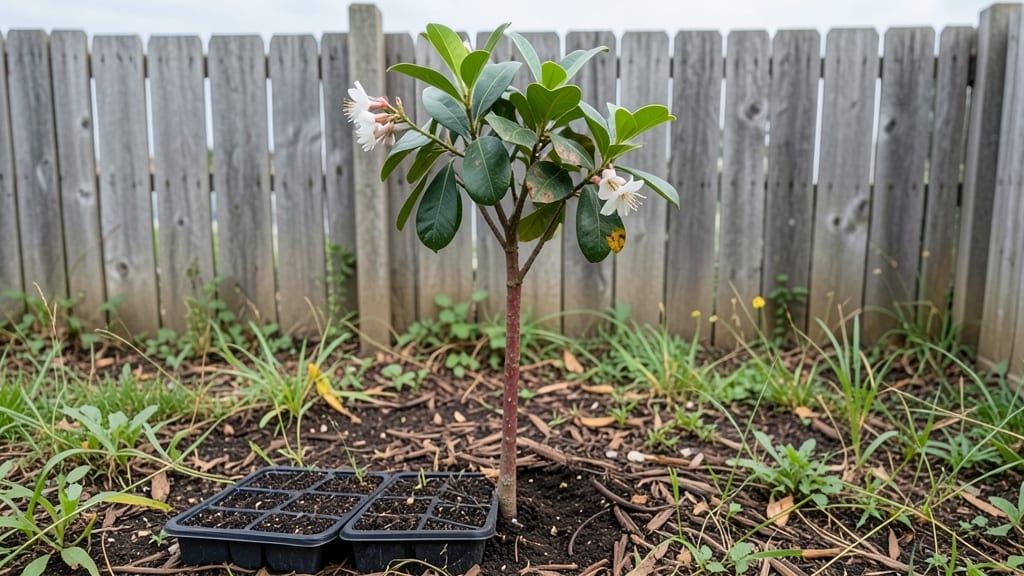
Planting a lychee tree means dreaming of sweet, fragrant fruit—but only if you nail the climate first. These tropical trees thrive in USDA Zones 10-12, where winter temps never dip below 32°F.
I learned this the hard way when my first attempt froze solid overnight (long story). The key isn’t just soil or water—it’s matching your location to the tree’s tropical roots.
You’ll need well-draining soil with a slightly acidic pH (5.5-6.5), rich in organic matter. Containers work for smaller climates, but ground planting gives roots room to spread—just avoid soggy spots. Young trees need daily watering until established, then taper to deep soaks twice a week.
Morning sun is non-negotiable; these trees demand 6+ hours of direct light daily to fruit properly.
By year two, you’ll spot those signature pink flower buds—if all goes right. The first harvest might take 3-5 years, but the payoff is worth it: juicy, aromatic fruit that tastes like candy.
Pollination is the tricky part; hand-pollinating with a small brush helps if bees are scarce. Patience is everything—lychees reward slow, steady care over quick fixes.
Frost is the silent killer, so protect young trees with burlap wraps or move containers indoors. Overwatering? That’s just as deadly as drought. Master these basics, and you’ll be sipping fresh lychee smoothies straight from your own tree—no grocery store in sight. Let’s get those roots in the ground right.
📚 In This Guide
- What you need
- Instructions
- Tips and common mistakes
- Wrapping up and next steps
What you need
- ● Lychee sapling or seeds: Purchase from a nursery or reputable supplier (ensure it’s disease-free). Quantity: 1 per tree (or 3-5 seeds if starting from scratch).
- ● Well-draining soil: Mix equal parts of topsoil, sand, and compost (or use a tropical fruit mix). Quantity: Enough to fill a 12-inch-deep planting hole.
- ● Fertilizer: Balanced 10-10-10 NPK or citrus-specific fertilizer. Quantity: 1 lb per tree (apply sparingly at planting).
- ● Mulch: Organic mulch (e.g., wood chips or straw) to retain moisture. Quantity: 2-3 inches around the base.
- ● Watering can or hose: For gentle, deep watering (avoid overhead spraying).
- ● Pruning shears: Sharp, clean shears for trimming (sterilize with rubbing alcohol).
- ○ Support stake (optional but helpful): 4-6 ft bamboo or metal stake to stabilize young trees.
- ● Garden trowel or shovel: For digging planting holes (6-8 inches deep).
- ● pH test kit: Lychees prefer soil pH 5.5–6.5 (adjust with lime or sulfur if needed).
- ● Drip irrigation system: For consistent moisture in arid climates.
- ● Pest control: Neem oil or insecticidal soap (for aphids/mealybugs).
- ● Shade cloth (for young trees): 30-50% coverage to protect from harsh sun.
Step-by-step instructions for planting a lychee tree
Here’s how to establish your lychee tree for maximum tropical fruit production—starting with the right site and care.
Select the Perfect Planting Location
Lychee trees thrive only in USDA Hardiness Zones 10–11, where temperatures stay above 30°F year-round. Choose a spot with full sun exposure—at least 8 hours of direct sunlight daily—and shelter from strong winds, which can damage delicate blossoms. If you’re in a marginally cooler zone, plant near a south-facing wall or heat-retaining structure to extend the growing season.
Test the soil drainage before planting. Lychees despise soggy roots—water should drain completely within 2–3 hours after a heavy soak. Amend heavy clay with 2–3 inches of coarse sand or perlite mixed into the top 12 inches of soil to improve aeration. Avoid low-lying areas where cold air pools, as even brief exposure below 28°F can kill the tree.
Prepare the Planting Hole and Soil
Dig a hole twice as wide as the tree’s root ball but no deeper. The top of the root ball should sit 1–2 inches above ground level to prevent waterlogging. Loosen the sides of the hole with a shovel to encourage root spread into surrounding soil. If your soil is sandy, mix in 2–3 gallons of compost to retain moisture; if it’s clay-heavy, blend in 1 gallon of organic matter like well-rotted leaf mold.
Gently remove the tree from its container and tease apart any circling roots with your fingers. Place it in the hole so the graft union (a slight bump near the base) remains above soil level. Backfill with native soil, tamping lightly every 4 inches to eliminate air pockets. Water deeply to settle the soil and eliminate gaps around the roots.
Establish Irrigation and Mulching
Lychee trees need consistent moisture during their first 2 years, especially in sandy soils where water drains too quickly. Install a drip irrigation system or soaker hose at the tree’s base to deliver 1–2 inches of water weekly, adjusting for rainfall. Avoid overhead watering, which can spread fungal diseases like anthracnose—a major threat to young trees.
Apply a 3-inch layer of organic mulch (such as wood chips or pine straw) around the tree, keeping it 6 inches away from the trunk to prevent rot. Mulch helps regulate soil temperature and reduces evaporation. Replenish mulch annually as it breaks down. Fertilize lightly with a balanced 6-6-6 or 8-3-9 formula in early spring, using ½ pound per year of tree age (e.g., ½ pound for a 1-year-old tree).
Prune and Protect for Optimal Growth
Prune your lychee tree sparingly in its first year—focus on removing only dead, diseased, or crossing branches. Avoid heavy pruning, as lychees produce fruit on older wood and respond poorly to aggressive cuts. Once established, shape the tree to an open vase form to improve airflow and sunlight penetration. Remove any suckers (shoots growing from the base) immediately, as they divert energy from fruit production.
Young lychee trees are vulnerable to scale insects and mealybugs, which thrive in warm climates. Inspect leaves weekly for sticky residue (a sign of sap-sucking pests) and treat infestations with neem oil or horticultural oil applied in early morning or late evening to avoid harming beneficial insects. In cooler zones, protect the tree with frost cloth if temperatures dip near 32°F, even briefly.
Monitor for Fruit Production Readiness
Lychee trees typically take 5–7 years to bear fruit, but you can encourage earlier production by maintaining consistent care. Once buds form, reduce nitrogen fertilizer to shift the tree’s energy from leaf growth to fruit development. Thin clusters to 3–4 fruits per branch to ensure larger, higher-quality lychees. Harvest when the fruit’s skin turns yellowish-brown and yields slightly to gentle pressure—usually late summer to early fall in tropical climates.
Watch for fruit drop if temperatures exceed 95°F or drop below 50°F during flowering. These trees are sensitive to extreme shifts, so provide light shade in peak heat if your region experiences sudden temperature swings. With patience and precise care, your lychee tree will reward you with juicy, aromatic fruit for decades.
Tips & tricks for planting a lychee tree
Planting a lychee tree successfully hinges on understanding its delicate tropical needs—here’s how to navigate the critical details that separate thriving trees from struggling ones.
Zone Selection Matters: While USDA Zones 10–11 are ideal, I’ve seen lychee trees survive in Zone 9 with strategic placement near south-facing walls that absorb and radiate heat. For marginal zones, consider planting near heat-retaining structures like brick walls or dark-colored pavers. The key is maintaining soil temperatures above 30°F year-round—even brief dips below 28°F can cause irreversible damage to the tree’s vascular system.
Soil Drainage is Non-Negotiable: The 2–3 hour drainage test after heavy watering is your best indicator of proper soil preparation. If water pools longer than that, mix in additional coarse sand or perlite until you achieve the right balance. I’ve amended heavy clay soils using a 50/50 mix of native soil and perlite, which dramatically improved drainage while retaining enough moisture for young roots.
Root Ball Preparation Technique: When teasing apart circling roots in Step 2, work gently but deliberately—these roots can be surprisingly delicate. I use my fingers to carefully separate them, creating a natural root flare that encourages outward growth. This step is particularly important for container-grown trees, where roots often develop in circular patterns that restrict proper soil penetration.
Irrigation Consistency is Critical: The 1–2 inches of weekly water specified for the first two years is a baseline, but sandy soils may require daily checks during peak summer months. I recommend installing a moisture sensor near the root zone to monitor soil moisture precisely. Overwatering is just as damaging as underwatering—lychee roots need oxygen as much as they need water.
Pro Tips for Planting Lychee Tree
- Planting a lychee tree successfully hinges on understanding its delicate tropical needs—here’s how to navigate the critical details that separate thriving trees from struggling ones.
- Zone Selection Matters: While USDA Zones 10–11 are ideal, I’ve seen lychee trees survive in Zone 9 with strategic placement near south-facing walls that absorb and radiate heat.
- Soil Drainage is Non-Negotiable: The 2–3 hour drainage test after heavy watering is your best indicator of proper soil preparation.
Frequently asked questions
Got questions about growing your own lychee tree? You’re not alone—this tropical fruit can be tricky, but we’ve got answers! Here are some of the most common queries to help you plant with confidence.
How do I know if my climate is right for a lychee tree?
Lychees thrive in USDA Zones 10–12 (or tropical/subtropical climates) with warm winters (above 40°F/4°C) and hot, humid summers. If you’re in Zone 9 or cooler, grow it in a large container and move it indoors during frost. Without proper warmth, the tree may struggle to flower or fruit. Check local frost dates to plan accordingly!
What’s the best time of year to plant a lychee tree?
Plant your lychee tree in late winter or early spring (before new growth starts) for the best establishment. Avoid planting in summer heat, as young roots are sensitive to stress. If using a container, plant anytime—just ensure it’s well-drained and protected from strong winds. Pro tip: Soak the root ball before planting to reduce transplant shock!
Can I grow a lychee tree from seed, or should I buy a grafted plant?
While you can grow from seed, it may take 10–15 years to bear fruit—and the quality won’t match commercial varieties. For faster, reliable results, buy a grafted lychee tree (like ‘Mauritius’ or ‘Kwai Mi’) from a reputable nursery. Grafted trees fruit in 3–5 years and produce sweeter, more consistent fruit. Seed-grown trees are fun for experimentation but aren’t ideal for harvests!
Why isn’t my lychee tree flowering or fruiting?
Lychees need specific conditions to flower: consistent warmth (75–90°F/24–32°C), dry winter rest (if in a container), and cross-pollination (plant two varieties if possible). Common issues include:
- Not enough sunlight (6+ hours daily)
- Overwatering (lychees hate soggy roots)
- Young age (trees under 5 years old rarely fruit)
- Nutrient deficiencies (test soil for zinc or boron)
How often should I fertilize a lychee tree, and what’s best?
Feed your lychee tree monthly during growing season (spring–fall) with a balanced fertilizer (6-6-6 or 8-3-9). In winter, reduce to every 6–8 weeks or use a low-nitrogen formula to encourage rest. Pro tip: Avoid high-nitrogen fertilizers—they promote leafy growth at the expense of fruit! For container trees, use half the recommended dose to prevent salt buildup.
Wrapping up and next steps
Planting a lychee tree is a rewarding journey that blends tropical beauty with delicious fruit—and you’re now equipped with the know-how to succeed! 🌱 From selecting the right climate zone to nurturing your sapling with patience, every step brings you closer to harvesting those sweet, fragrant treasures. Don’t stop here—visit your local nursery, grab those pruning shears, and get ready to watch your lychee tree thrive!
Next step: Mark your calendar for your first pruning session in 3-6 months to shape your tree and boost fruit production. Happy growing! 🌴✨