Flowers
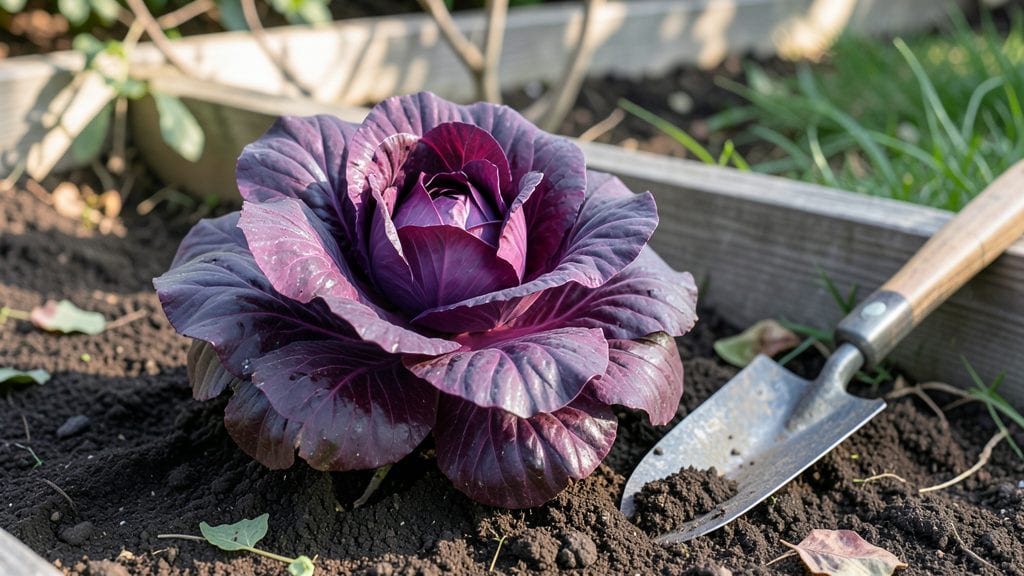
Planting purple cabbage gives you those striking purple leaves that stay vibrant from seedling to harvest—way more dramatic than green varieties. ✨ I learned the hard way that purple cabbage needs cooler soil to germinate, or you'll wait forever for those first tiny leaves to appear.
The secret isn't just patience, though—it's matching the timing to your climate so you avoid the heat that makes seedlings bolt before they even get started.
You'll need well-draining soil mixed with compost, seeds planted ¼ inch deep, and spacing that gives each plant 18-24 inches to spread. Purple cabbage thrives in cool-season climates (zones 3-9) when daytime temps stay below 75°F, and it actually tastes sweeter after a light frost.
Most beginners overwater, but purple cabbage roots need air—keep soil moist but never soggy, or you'll invite rot before the leaves even develop their signature color.
By the time those deep purple leaves reach 6-8 inches tall, you'll know you're on the right track. The plants stay compact and productive, giving you bold harvests that last longer than green cabbage in storage.
The key is consistent moisture and watching for pests like cabbage worms—those purple leaves are a magnet for hungry critters, so be ready to act fast if you spot any holes.
Works just as well in containers as in garden beds, making it perfect for small spaces or urban gardens. Once you master the timing, you'll grow cabbage that looks like it belongs in a botanical garden—not your average grocery store head. Let's get those seeds in the ground!
📚 In This Guide
- What you need
- Instructions
- Tips and common mistakes
- Wrapping up and next steps
What you need
- ● Purple cabbage seeds or seedlings: Choose heirloom or hybrid varieties like ‘Red Express,’ ‘Purple Magic,’ or ‘Red Acre.’ Start with 3–5 plants for a small harvest or up to 10–15 plants for a family-sized yield.
- ● Well-draining potting mix or garden soil: Aim for 1–2 cubic yards of soil amended with 2–3 inches of compost (or use a high-quality vegetable garden mix if container gardening). Soil pH should be 6.0–7.0.
- ● Fertilizer: A balanced, organic fertilizer (e.g., 10-10-10 or compost tea) or slow-release granules (follow package rates).
- ● Watering can or hose with a gentle spray nozzle: Purple cabbage needs 1–1.5 inches of water per week, so consistency is key!
- ○ Mulch (optional but recommended): Use 2–3 inches of straw or shredded leaves to retain moisture and suppress weeds.
- ● Garden trowel or transplanting spade: For digging holes 12–18 inches apart (rows should be 24–30 inches apart).
- ○ Gloves (optional): Protect your hands from soil and thorns (some varieties have slight prickliness!).
- ● Row cover or frost cloth (seasonal): Use to shield seedlings from light frosts (purple cabbage is cold-hardy but prefers 50–75°F temps).
- ● Pruning shears or sharp knife: For harvesting outer leaves without damaging the core.
- ● Epsom salt (magnesium sulfate): A tablespoon per plant every 4–6 weeks boosts purple pigment intensity!
- ● Companion plants: Try bush beans, celery, or onions to deter pests naturally.
- ● Plant markers: Label seeds/seedlings since purple cabbage can look similar to other greens until mature.
Step-by-step instructions for planting purple cabbage
Here's how I get vibrant purple cabbage heads that stay crisp and colorful right through harvest.
🌱 Step 1: Choose the Perfect Planting Spot
Purple cabbage thrives in full sun—at least 6 hours daily—so pick a location with no afternoon shade. I always test the spot first by placing a white board where the cabbage will go; if it gets hotter than 85°F for more than 2 hours, it's too intense. The soil should drain well but hold moisture—purple cabbage hates soggy roots.
Work in a 2-inch layer of compost before planting to enrich the soil. I like to mix it into the top 6 inches of soil, which gives roots plenty of nutrients without compacting. Avoid fresh manure—it can cause bitter leaves. A soil pH of 6.0-7.0 is ideal, so test your soil if you're unsure.
🪴 Step 2: Prepare and Plant Transplants
Start with 4-week-old seedlings or transplants—younger than that and they struggle to establish roots. Space them 18-24 inches apart in rows 24-30 inches apart to allow airflow and prevent disease. Dig holes just deep enough to bury the roots without folding the stem.
Gently loosen the roots if they're circling in the pot, then place the seedling in the hole so the soil line on the stem sits ½ inch below ground level**. Firm the soil around the base and water deeply right away—this helps settle the roots into place. I like to add a 1-inch layer of mulch afterward to keep moisture in and weeds out.
💧 Step 3: Water and Maintain for Crisp Heads
Keep the soil evenly moist but never soggy—purple cabbage needs 1-1.5 inches of water weekly, more in hot weather. Water at the base in the morning so leaves dry quickly, which prevents fungal issues. I check moisture by sticking my finger 1 inch deep; if it feels dry, it's time to water.
Side-dress with balanced fertilizer (10-10-10) when the heads start forming, about 4-6 weeks after transplanting. Avoid high-nitrogen fertilizers—they promote leafy growth at the expense of the head. Watch for pests like cabbage worms; I use row covers early on to keep them away without chemicals.
✂️ Step 4: Harvest at Peak Maturity
Harvest when the head feels firm and reaches 6-8 inches in diameter. I test by gently pressing the head—if it resists, it's ready. Cut the head off 1 inch above the base with a sharp knife or shears. Leave the outer leaves intact if you want a second, smaller head to form.
Store harvested cabbage in the fridge for 2-3 weeks by wrapping it in a damp towel inside a plastic bag. For long-term storage, ferment it into sauerkraut or freeze the chopped leaves. Purple cabbage keeps its color beautifully when stored properly—no need for dye!
Tips & tricks for perfect purple cabbage planting
Here's what I've learned after growing vibrant purple cabbage year after year—these little details make all the difference.
Heat Factor: That 85°F temperature threshold is critical for purple cabbage. If your area regularly exceeds this for more than 2 hours, consider planting in late spring or early fall to avoid heat stress. I've found that morning sun with afternoon shade (using shade cloth if needed) preserves that stunning purple color better than full sun all day. The leaves actually bleach out when exposed to too much intense afternoon heat.
Soil Prep Secret: Don't just add compost—mix that 2-inch layer into the top 6 inches of soil. This creates a nutrient-rich zone where roots can spread. I also recommend adding a handful of wood ash (from untreated wood) to help maintain that ideal 6.0-7.0 pH—purple cabbage is particularly sensitive to soil acidity. Just be careful not to overdo it, as too much ash can make the soil too alkaline.
Planting Technique: When placing your 4-week-old seedlings, make sure the soil line on the stem sits exactly ½ inch below ground level. This prevents stem rot while keeping the plant stable. I've seen beginners bury the stems too deep, which causes the plants to wilt and struggle. Also, gently loosening circling roots before planting gives them a head start on establishing in their new home.
Watering Wisdom: The 1-1.5 inches of water weekly guideline is perfect, but timing matters just as much. Watering at the base in the morning gives leaves time to dry completely, which prevents fungal diseases like downy mildew. I've had the best success using drip irrigation or soaker hoses—this delivers water right to the roots without wetting the leaves. If you must water overhead, do it early in the day so leaves have plenty of time to dry before evening.
Pro Tips for Planting Purple Cabbage
- Here's what I've learned after growing vibrant purple cabbage year after year—these little details make all the difference.
- Heat Factor: That 85°F temperature threshold is critical for purple cabbage.
- Soil Prep Secret: Don't just add compost—mix that 2-inch layer into the top 6 inches of soil.
Frequently asked questions
Got questions about growing your own purple cabbage? You’re not alone!
Here are answers to the most common queries—from timing to troubleshooting—so you can grow vibrant, edible foliage with confidence.
When is the best time to plant purple cabbage?
Purple cabbage thrives in cool weather. Start seeds indoors 8–10 weeks before the last frost (early spring or late summer for fall harvests). Transplant seedlings outdoors when soil temps are 45–65°F. Avoid planting in scorching heat—it bolts (goes to seed) faster!
How do I keep purple cabbage from turning yellow or bolting?
Yellowing leaves or early bolting (flowering) usually mean heat stress or poor soil. To prevent this:
- Use shade cloth (30–50%) if temps exceed 75°F.
- Water deeply 1–2 inches per week (keep soil moist but not soggy).
- Fertilize with balanced organic fertilizer (10-10-10) every 3–4 weeks.
- Harvest outer leaves early to encourage regrowth.
Can I grow purple cabbage in containers?
Purple cabbage adapts well to 5–7 gallon containers with drainage. Use a well-draining potting mix and place pots in full sun to partial shade. Dwarf varieties like ‘Purple Magic’ are perfect for small spaces. Just ensure containers get consistent water—they dry out faster than garden beds!
How do I harvest purple cabbage for the best flavor and color?
Harvest leaves as needed (like Swiss chard) or cut the entire head when firm, about 60–90 days after transplanting. For deepest purple hues, harvest in cool weather—heat exposure fades the color. Store unwashed heads in the fridge for up to 2 weeks or ferment for sauerkraut!
What can I plant alongside purple cabbage to improve growth?
Purple cabbage benefits from companion planting! Try these pairings:
- Herbs: Dill, mint, or thyme deter pests.
- Flowers: Marigolds or nasturtiums repel cabbage moths.
- Avoid: Strawberries or tomatoes (they compete for nutrients).
Rotate crops yearly to prevent soil-borne diseases like clubroot.
Wrapping up and next steps
Planting purple cabbage is a rewarding way to add vibrant color and nutrition to your garden! 🌱 Whether you're a seasoned gardener or just starting out, these bold purple leaves are easy to grow and perfect for extending your harvest.
With the right soil, spacing, and care, you’ll enjoy a stunning crop that’s as beautiful as it is versatile.
Ready to take the next step? Start by gathering your supplies—whether it’s seeds, seedlings, or everything in between—then plant with confidence. Your garden (and your plate!) will thank you for it. Happy growing! 🌟