Pruning
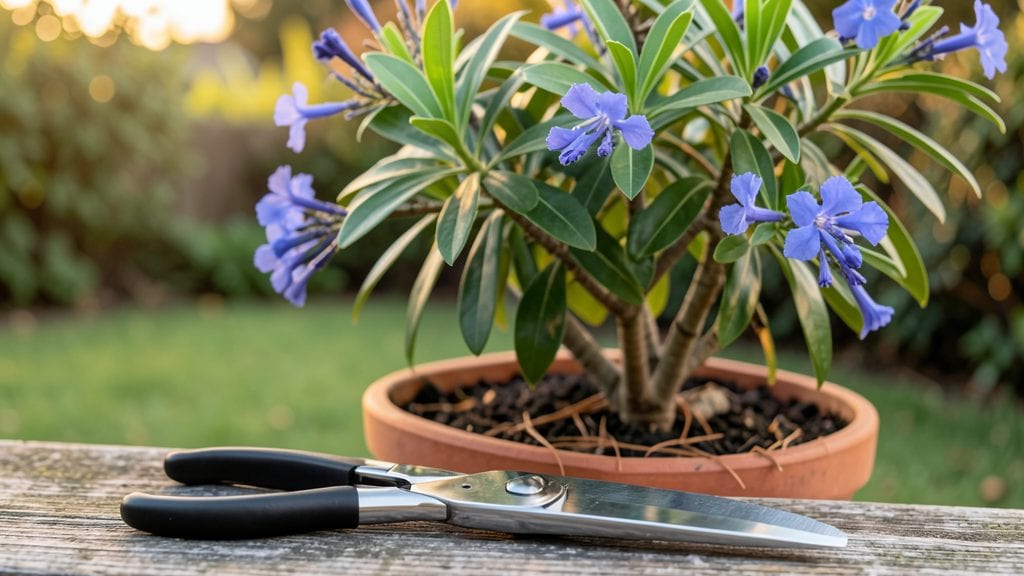
Pruning plumbago plants transforms leggy, sparse shrubs into dense, blooming powerhouses—and I’ve learned the hard way what works. 🌿 The key isn’t just cutting back; it’s timing, technique, and knowing when to stop.
After years of trial and error (and a few sad, over-pruned plants), I’ve cracked the code for keeping these vines lush, productive, and full of sky-blue flowers all season.
You’ll need sharp pruners, a ladder if your plumbago climbs high, and a clear plan: late winter or early spring is ideal for major cuts, while light trims in summer encourage fresh blooms.
The goal is to remove up to one-third of the plant’s growth—never more—to avoid shocking the roots. Think of it like sculpting: you’re shaping the plant’s energy toward new growth, not just hacking away.
What you’ll end up with is a plumbago that looks like it belongs in a botanical garden, not just your backyard. The blooms come faster, the foliage stays thick, and you’ll actually see the stems you’ve been missing.
Plus, it’s the perfect time to train vines onto trellises or arbors for that romantic, cottage-garden look—just don’t wait until summer to do it.
This method works for both Plumbago auriculata and Plumbago capensis, whether you’re pruning a sprawling groundcover or a climbing wall. The only rule? Start small, observe how your plant responds, and adjust next year. Trust me, your plumbago will thank you with months of nonstop color.
📚 In This Guide
- What you need
- Instructions
- Tips and common mistakes
- Wrapping up and next steps
What you need
- ● Pruning shears: Bypass pruners (sharp, clean, and sterilized with rubbing alcohol) for clean cuts.
- ● Garden gloves: A pair of cut-resistant, breathable gloves (e.g., nitrile-coated) to protect your hands.
- ● Disinfectant: 70% isopropyl alcohol or a 10% bleach solution (1 part bleach to 9 parts water) for sterilizing tools.
- ● Rake or broom: To clear fallen debris after pruning.
- ● Watering can or hose: With a gentle spray nozzle for post-pruning hydration.
- ○ Pruning saw (optional): For thicker stems over ½ inch in diameter—choose a fine-toothed saw for precision.
- ● Timing: Prune in early spring (before new growth) or right after blooming (late summer/fall).
- ● Weather check: Choose a dry, overcast day to avoid stressing the plant.
- ● Safety first: Wear protective eyewear if working near thorny varieties (e.g., Plumbago auriculata).
- ● Plant assessment: Inspect for dead, diseased, or crossing branches before starting.
How to prune plumbago for bushier growth and extended blooms
Here's the straightforward method I use every spring to keep my plumbago thriving and flowering for months.
✂️ Step 1: Time Your First Cut for Early Spring Growth
Prune your plumbago in late winter or early spring, just as new growth begins. You'll know it's time when you see fresh shoots emerging from the base of the plant. This timing ensures you remove old, woody stems while stimulating fresh, vigorous growth for the season.
Use clean, sharp pruning shears to make your cuts. Dull blades crush stems and invite disease, so I always sharpen mine before starting. Cut back about one-third of the plant's height—this encourages bushier growth and more flowers. Focus on removing any dead, damaged, or crossing branches first; they compete with healthy growth.
✂️ Step 2: Shape the Plant for Better Airflow and Light
Step back and assess the plant's shape. You want to create an open, rounded form that allows sunlight and air to reach the center. This prevents fungal issues and ensures even blooming. Start by thinning out congested areas where branches overlap—remove the weakest stems at the base.
For each remaining branch, cut just above a leaf node or bud. This is where new growth will emerge. Avoid leaving stubs; a clean cut right above the node keeps the plant healthy. If you're unsure where to cut, look for the small bumps along the stem—those are your leaf nodes. Aim to leave about 6-8 inches of healthy stem below your cut.
🌿 Step 3: Encourage Continuous Blooming with Mid-Season Trims
After the initial spring pruning, give your plumbago a light trim every 6-8 weeks during the growing season. This keeps the plant compact and promotes new flower buds. Pinch back the tips of new growth by about 1/3—this might seem counterintuitive, but it forces the plant to branch out instead of growing tall and leggy.
Watch for spent blooms and remove them as they fade. Deadheading—cutting off flowers just above the next set of leaves—redirects the plant's energy into producing more blooms. I do this every few days during peak flowering season. If you notice long, bare stems with no leaves or buds, trim them back to a healthier node to encourage fresh growth.
⏰ Step 4: Prepare for Winter Dormancy with Final Pruning
In late fall, as temperatures drop and growth slows, give your plumbago one last trim. Cut back all stems to about 6 inches from the base. This helps the plant enter dormancy more easily and reduces the risk of winter damage. Remove any dead or diseased stems completely—they won't regrow in spring and can harbor pests.
After pruning, clean up all the clippings and dispose of them. Never leave them near the plant, as they can harbor diseases or pests that might overwinter. I also apply a light layer of mulch around the base to protect the roots from freezing temperatures. This final step sets your plumbago up for a strong comeback in spring.
🌱 Step 5: Maintain Year-Round Health with Regular Checks
Throughout the year, keep an eye on your plumbago for any signs of stress, disease, or pests. Prune out any new growth that looks unhealthy immediately—don't wait for it to spread. Healthy plumbago has glossy, dark green leaves and stems that don't easily snap when bent. If you notice yellowing leaves, it might be a sign of overwatering or poor drainage.
Adjust your pruning approach based on how your plant responds. Some plumbago varieties bloom more heavily after aggressive pruning, while others prefer a gentler touch. Pay attention to what works best for your specific plant. With consistent care, your plumbago will reward you with vibrant blooms from early summer well into fall.
Tips & tricks for perfect plumbago pruning
Here's what I've learned after keeping my plumbago blooming for years—these tricks make all the difference between a few weeks of flowers and months of vibrant color.
Timing Secret: The late winter/early spring timing in Step 1 is crucial because plumbago needs to see new growth before you prune. I've ruined blooms by pruning too early—wait until you see those first fresh shoots at the base. If you're in a warm climate, you might need to prune slightly later, but always aim for just before active growth begins.
Tool Prep Matters: Before you make a single cut, sharpen your pruning shears. I can't stress this enough—dull blades crush stems instead of making clean cuts, which invites disease. Test your shears by cutting a piece of paper; if it tears instead of cuts cleanly, sharpen them first. I keep a small sharpening stone in my gardening toolbox specifically for this purpose.
Visual Cues for Cutting: When shaping in Step 2, look for those small bumps along the stems—they're the leaf nodes where new growth emerges. Cut just above these nodes, and you'll encourage fresh shoots to grow from exactly where you want. I always count down from the top to find the right spot, especially on taller stems where the nodes might be harder to see.
Deadheading Strategy: During peak flowering season, I make deadheading part of my daily garden routine. Simply snip off spent blooms just above the next set of leaves, and your plant will redirect its energy into producing more flowers. The key is consistency—don't let more than a few blooms go to seed before you remove them. This simple habit can double your flowering time!
Pro Tips for Plumbago Plant Pruning
- Here's what I've learned after keeping my plumbago blooming for years—these tricks make all the difference between a few weeks of flowers and months of vibrant color.
- Timing Secret: The late winter/early spring timing in Step 1 is crucial because plumbago needs to see new growth before you prune.
- Tool Prep Matters: Before you make a single cut, sharpen your pruning shears.
Frequently asked questions
When is the best time to prune Plumbago?
Prune your Plumbago in late winter or early spring (before new growth starts) to encourage fresh, vigorous blooms. A light trim after flowering (summer) can also promote bushier growth. Avoid heavy pruning in fall—it may stress the plant before winter dormancy.
How much can I cut back my Plumbago?
You can trim up to ⅓ of the plant’s height during major pruning. For shaping, cut back leggy stems to just above a leaf node or outward-facing bud. Avoid over-pruning—Plumbago recovers well but may take time to regrow if cut too aggressively.
What if my Plumbago doesn’t bloom after pruning?
If your plant skips blooms, check these fixes:
- Light: Ensure it gets 6+ hours of sun daily—partial shade may reduce flowering.
- Fertilizer: Use a balanced, bloom-boosting fertilizer (like 10-10-10) in spring.
- Deadheading: Remove spent flowers regularly to encourage new blooms.
Can I propagate Plumbago from pruned cuttings?
Softwood cuttings
(4–6 inches long) root easily in water or a well-draining mix. Dip in rooting hormone for faster success. Place in bright, indirect light until roots form (2–4 weeks). Spring or early summer is ideal for propagation.
What should I do if my Plumbago looks leggy or sparse?
Leggy growth often means too little light or overcrowding. Try these fixes:
- Move to a sunnier spot (even drought-tolerant Plumbago needs light for density).
- Thin out overcrowded stems to improve airflow and encourage bushier regrowth.
- Fertilize lightly with low-nitrogen, high-phosphorus feed to promote flowering.
Wrapping up and next steps
Mastering the art of plumbago plant pruning is your ticket to vibrant, long-lasting blooms year after year! 🌸 With the right tools, timing, and techniques—like deadheading spent flowers and shaping for airflow—you’ll keep your plumbago thriving and lush.
Remember, consistency is key, but don’t hesitate to experiment to find what works best for your plant’s unique growth.
Now that you’re armed with expert tips, grab those shears and get pruning! 🌿 Watch your plumbago reward you with bursts of color, and don’t forget to share your progress—or ask questions—with fellow gardening enthusiasts. Happy trimming!