
Pruning
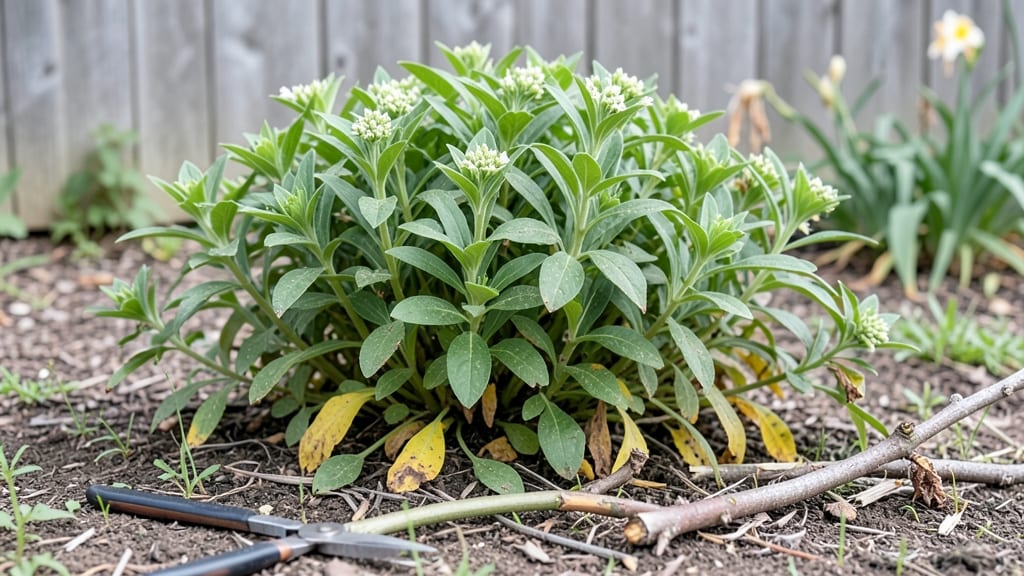
Pruning phlox plants isn’t just about keeping them tidy—it’s the secret to getting those bold, jewel-toned blooms all summer long. I’ve watched my phlox go from scraggly and sparse to a neighbor-jealousy magnet in just a few cuts, and the timing is everything.
Most gardeners wait too late, but the real magic happens in late winter or early spring before new growth starts.
You only need three things: sharp pruners, a pair of gloves, and a clear day to work. Cut back the previous year’s stems by about a third—no need to go crazy—just enough to open up the center and encourage fresh, vigorous growth.
This is where most people mess up: either they hack too much or they wait until after the first blooms appear, which kills the next flush.
Once the flowers start fading, those deadheading snips keep the show going. Snip off just the spent blooms, not the whole stem, and you’ll get a second wave of flowers by mid-summer.
The plants stay compact, the blooms stay bright, and you avoid that sad, leggy look that ruins the whole garden.
Works for both garden phlox and creeping phlox, and the same rules apply whether you’ve got one plant or a whole border. Here’s how to do it without turning your phlox into a sad, overpruned stump—promise.
📚 In This Guide
- What you need
- Instructions
- Tips and common mistakes
- Wrapping up and next steps
What you need
- ● Sharp bypass pruners – Choose a pair with clean, sharp blades (4-6 inch size works best). Avoid dull tools—they crush stems instead of cutting cleanly!
- ● Hand pruners or shears – For smaller stems (2-4 inch blades). Look for ergonomic handles for comfort during long sessions.
- ● Garden gloves – Nitrile-coated or leather gloves (size medium/large) to protect against thorns and dirt.
- ● Disinfectant (70% isopropyl alcohol or bleach solution) – 1 part bleach to 9 parts water to sterilize tools between cuts and prevent disease spread.
- ● Garden twine or rubber bands – For tying up stems if you’re shaping or training phlox.
- ● Garden waste bag or bucket – A 10-20 gallon capacity for collecting pruned stems and debris.
- ○ Pruning saw (optional but helpful) – If dealing with thick, woody stems (7-10 inch blade size).
- ● Hose with spray nozzle – To rinse off sap or dirt from tools mid-pruning.
- ● Knee pads or a small stool – For comfort if your phlox is ground-cover height or in tight spaces.
- ● Plant marker or labels – If you’re dividing or relocating pruned sections.
- ● Compost bin or mulch – To recycle pruned stems (if disease-free).
- ● Sunscreen & hat – Because pruning sessions can turn into sunbathing marathons! 😎
Instructions for pruning phlox plants
Here’s the straightforward approach I’ve used for years to keep phlox blooming vigorously season after season.
Prune After First Blooming Cycle
Once your phlox finishes its first flush of flowers—usually in early summer—it’s time to give it a haircut. Use clean, sharp pruning shears to cut back the stems by about one-third, or until you reach a set of healthy leaves or buds. This encourages a second, often even more abundant bloom later in the season.
I always prune on a dry morning after the dew has evaporated. Wet stems can harbor fungal spores, and you’ll get a cleaner cut. Avoid cutting into old, woody stems—focus on the newer growth just below the faded blooms. You’ll notice fresh, vibrant growth emerging within a week of this first trim.
Lightly Trim After Second Bloom
After the second round of flowers fades, typically in late summer, give the plants a lighter touch. Simply remove any spent blooms and trim back any leggy or overgrown stems by about one-half their length. This keeps the plant tidy and prevents it from becoming too woody or congested.
This step is less about forcing more blooms and more about maintaining the plant’s health. Look for stems that are thin or have lost their vigor—these are the ones to cut back aggressively. The goal is to leave the plant with a balanced shape that still has plenty of energy stored for next year.
Cut Back in Late Fall or Early Winter
Once the first hard frost has blackened the foliage, it’s time for the final prune of the year. Cut the stems back by about one-half to two-thirds, leaving only 2 to 3 inches of stem above the ground. This helps prevent disease and pests from overwintering in the plant debris.
I like to do this after the ground has frozen slightly, which makes it easier to see where the old growth ends and the new growth will begin in spring. Avoid pruning too late in winter, as new growth can be damaged by unexpected late frosts. The goal here is to clean up while leaving enough structure for next year’s blooms.
Spring Cleanup Before New Growth
In early spring, just as the new shoots begin to emerge, do a final inspection. Remove any dead, broken, or diseased stems completely. You’ll also want to thin out any overly crowded growth to improve airflow, which reduces the risk of fungal diseases like powdery mildew.
This is the time to shape the plant lightly if needed, but don’t overdo it. The focus now is on encouraging strong, healthy growth rather than forcing blooms. You’ll know you’ve done well when you see fresh, green shoots pushing through the soil within a few weeks.
Tips & tricks for perfect phlox pruning
A few key strategies will help you maintain healthy, blooming phlox all season long.
The Timing Factor: Pruning at the right time is everything. In Step 1, when you cut back by one-third after the first bloom, you're actually encouraging the plant to redirect its energy toward a second flush of flowers. I've seen phlox that would have stopped blooming after the first round produce a second, even more vibrant display simply because I followed this timing. The key is to prune right when the first flowers start fading—not too early, which can cut off blooms, and not too late, which can stress the plant.
Tool Selection: Using clean, sharp pruning shears is non-negotiable. Dull shears tear stems and create jagged cuts that invite disease. I've made the mistake of using old shears that needed to be honed, and my phlox developed brown spots at the cut sites. Before you start pruning, take a minute to sharpen your shears or use a pair of fresh, high-quality ones. You'll notice the difference in how cleanly the stems are cut and how quickly the plant recovers.
Visual Cues for Pruning: When you're deciding how much to trim in Step 2, look for the point where the stem starts to get woody or sparse. This is your visual cue to stop cutting. In Step 3, when you're cutting back in late fall, aim to leave stems that are about the thickness of a pencil—this gives you that 2-3 inch guideline without needing a ruler. These visual cues help you make quick decisions while working with your plants.
Seasonal Adaptation: If you're in a region with mild winters, you might find that your phlox benefits from a lighter winter trim. Instead of cutting back by two-thirds, you can leave more of the stems intact—around 4-6 inches—to provide some protection against occasional freezes. This is especially helpful if your winters are unpredictable, as the extra foliage can insulate the crown and prevent damage from sudden cold snaps.
Pro Tips for Pruning Phlox Plants
- A few key strategies will help you maintain healthy, blooming phlox all season long.
- The Timing Factor: Pruning at the right time is everything.
- Tool Selection: Using clean, sharp pruning shears is non-negotiable.
Frequently asked questions
Got questions about pruning your phlox?
You’re not alone! Here are answers to the most common concerns—so you can keep your plants thriving and blooming like a pro.
When is the best time to prune phlox?
For spring-blooming phlox (like creeping phlox), prune right after flowering (late spring to early summer) to encourage a second flush of blooms. For summer-blooming phlox (like garden phlox), wait until late fall or early winter after the foliage dies back. Avoid pruning in extreme heat or cold.
How often should I prune phlox?
Prune once per year for most phlox varieties, but summer-blooming types may benefit from a light trim mid-season to remove spent flowers and encourage new growth. Creeping phlox can be pruned annually in early spring to shape it and prevent overcrowding.
What if I prune at the wrong time?
Pruning too early (before blooms fade) removes next year’s flower buds. For spring bloomers, this means no flowers the following year. For summer bloomers, avoid pruning in late summer—this cuts off new buds forming for next season. When in doubt, wait until after the plant’s peak bloom!
Can I prune phlox too much?
Yes! Over-pruning—especially cutting into old wood (woody stems)—can stress the plant. For perennial phlox, never trim more than 1/3 of the foliage at once. If you accidentally cut too much, don’t worry—phlox is resilient, but it may take a season to recover fully.
What if my phlox doesn’t bloom after pruning?
Check these fixes:
- Light & nutrients: Ensure it gets 6+ hours of sun and balanced fertilizer in spring.
- Deadheading: Remove individual spent blooms (not just a full prune) to prolong flowering.
- Age: Older phlox may slow down—consider dividing clumps every 3–5 years for rejuvenation.
Wrapping up and next steps
Pruning your phlox plants doesn’t have to be intimidating—it’s all about timing, technique, and a little patience. 🌸 By following seasonal trimming best practices, you’ll encourage lush, vibrant blooms and keep your garden thriving. Remember, the key is to cut back strategically and watch your plants respond with gratitude!
Ready to take the next step? Grab your shears and give your phlox a fresh start—your garden (and future blooms) will thank you! Happy pruning! 🌿