
Shrubs
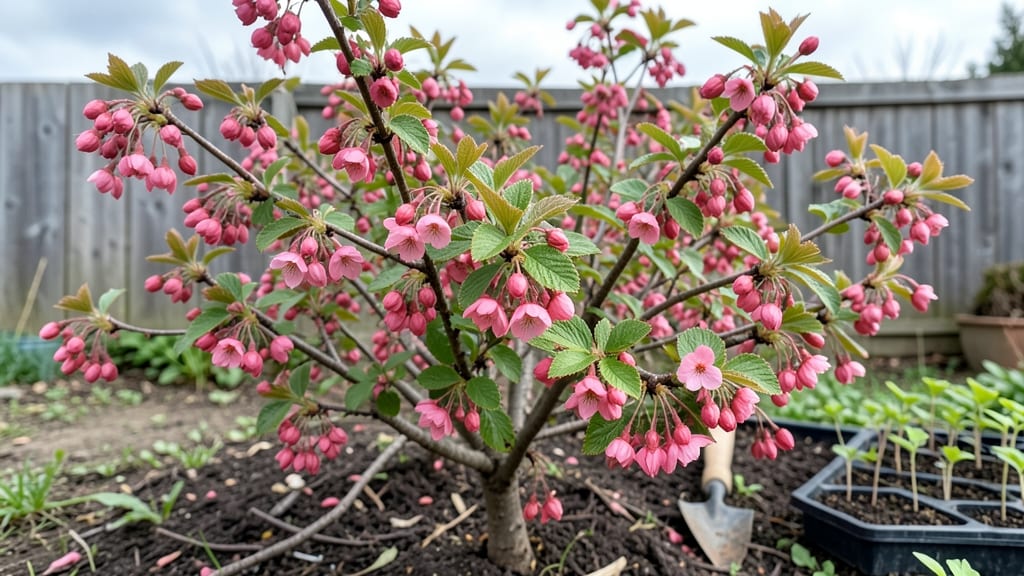
Planting Red Robin shrubs transforms your yard into a fragrant, four-season showpiece—especially when you nail the right spot and soil. 🌿 This isn’t just another flowering shrub; it’s the one that keeps blooming from late winter through spring with those signature red buds, even when most gardens are still asleep.
My first mistake? Planting it where morning shade lingered too long—now I know to give it full sun for at least six hours a day.
The secret to happy Red Robin starts with well-draining soil mixed with compost—think crumbly, not heavy. If your soil stays wet for days after rain, amend it with sand or gravel to prevent root rot.
Spacing matters too: give each plant 3-4 feet of room so they don’t crowd as they mature. And here’s the game-changer: plant them slightly deeper than the nursery pot to encourage strong root growth from the start.
After planting, water deeply but don’t drown them—think of it as giving them a long drink, not a daily bath. Mulch around the base to lock in moisture and keep roots cool in summer.
Within a month, you’ll see new growth pushing through, and by next winter, those first fragrant blooms will reward your patience. The key is consistency: too much water early on, and you’ll invite fungal problems.
Works beautifully in zones 4-8, whether you’re lining a driveway, framing a front door, or adding height to a mixed border. Just avoid planting where cold winds scourge—this shrub prefers protection but plenty of sunlight. Let’s get those roots settled so you can enjoy the show all season long.
📚 In This Guide
- What you need
- Instructions
- Tips and common mistakes
- Wrapping up and next steps
What you need
- ● Red Robin shrubs: 3–5 healthy nursery-grown plants (choose 1–2 gallon pots for best establishment).
- ● Well-draining soil: Amend heavy clay or sandy soil with 2–3 inches of compost or organic matter (e.g., peat moss or coconut coir).
- ● Mulch: 2–3 inches of shredded bark, pine straw, or wood chips to retain moisture and regulate soil temperature.
- ● Fertilizer: Slow-release granular fertilizer (10-10-10 or 20-20-20) or organic options like composted manure.
- ● Watering can or hose: With a gentle spray nozzle for even moisture distribution.
- ● Garden gloves: To protect hands while handling soil or thorny stems.
- ● Pruning shears: Sharp, bypass-pruners (sterilized with rubbing alcohol).
- ● Measuring tape or ruler: For spacing plants 3–5 feet apart.
- ● Soil pH tester: Red Robin thrives in slightly acidic to neutral soil (pH 6.0–7.0).
- ● Epsom salt: For magnesium boost (1 tbsp per plant in early spring).
- ● Plant support: Stakes or cages if your garden has strong winds.
- ● Slow-release watering spikes: For drought-prone areas.
- ● Plant tags or markers: To track varieties and care notes.
Step-by-Step instructions for planting Red Robin for year-round color
Here's the straightforward approach I've used to keep Red Robin blooming through every season.
🌱 Step 1: Choose the Perfect Planting Spot
Red Robin thrives in full sun to partial shade, so pick a location with at least 4-6 hours of sunlight daily. I always test spots by placing a white board where the plant will go—if it gets hot enough to feel warm after a few hours, it’s perfect. For winter blooms, a spot with morning sun and afternoon shade works best, as it protects flowers from harsh afternoon rays.
This plant handles various soil types but prefers well-draining soil. If your garden has heavy clay, mix in 2-3 inches of compost to improve drainage. The roots will thank you by growing deeper and stronger, which means more vibrant blooms all season long.
🪴 Step 2: Prepare the Soil for Healthy Growth
Loosen the soil to a depth of 12 inches with a garden fork or tiller, breaking up any compacted layers. This helps roots spread easily and access nutrients. Red Robin loves slightly acidic to neutral soil, so if your soil is alkaline, add a handful of peat moss to the planting hole to adjust the pH slightly.
Work in a 2-inch layer of organic mulch around the base of the plant (but keep it 2 inches away from the stem to prevent rot). This keeps moisture in and weeds out, making your job easier. I like to use shredded bark or straw because they break down slowly and add nutrients over time.
☀️ Step 3: Plant at the Right Depth and Spacing
Dig a hole twice as wide as the root ball and just as deep. Gently remove the plant from its container and place it in the hole so the top of the root ball sits just below soil level. Press the soil firmly around the roots to eliminate air pockets, then water deeply to settle everything.
Space plants 18-24 inches apart for full, lush growth. Crowding leads to weak stems and fewer blooms, so give them room to shine. If planting in containers, use pots at least 12 inches deep and wide—Red Robin has a spreading habit, so bigger is always better.
💧 Step 4: Water and Maintain for Continuous Blooms
Water deeply once a week (or more often in hot weather) to encourage deep root growth. Let the top 2 inches of soil dry out between waterings—this prevents root rot while keeping the plant hydrated. I always water in the morning so the foliage dries quickly, reducing the risk of fungal diseases.
Deadhead spent blooms regularly to encourage new flowers. Pinch off faded blossoms with your fingers or trim them back with clean scissors. This simple step keeps Red Robin producing colorful blooms from spring through winter, especially if you’re in a mild climate.
✂️ Step 5: Prune and Fertilize for Long-Term Health
In early spring, trim back any dead or damaged stems to encourage fresh growth. I also cut back leggy stems by one-third to promote bushier, fuller plants. Use sharp, clean pruners to make clean cuts just above a leaf node—this prevents disease and encourages new shoots.
Feed plants with a balanced, slow-release fertilizer in early spring and again after the first flush of blooms. Follow the package instructions, but I’ve found that half-strength applications every 6-8 weeks keep plants thriving without burning the roots. Avoid high-nitrogen fertilizers—they’ll give you lots of leaves but few flowers.
Tips & tricks for perfect Red Robin planting
Getting Red Robin to bloom reliably through every season takes a few key tricks I've learned from years of trial and error. These simple adjustments make all the difference between a struggling plant and one that thrives.
Sunlight Secret: That 4-6 hours of daily sun is non-negotiable, but here's what I've found works best: If you're planting in a hot climate, prioritize afternoon shade to prevent leaf scorch. I've seen Red Robin plants in full afternoon sun wilt dramatically by late summer—just move them to a spot with morning sun and afternoon shade, and they bounce back beautifully. For winter blooms, this afternoon shade protection is especially critical.
Soil Prep Game-Changer: When loosening that 12-inch depth of soil in Step 2, don't stop at just breaking up compaction. I like to work in a handful of perlite or coarse sand along with the compost if my soil is particularly dense. This creates tiny air pockets that help roots breathe better, which translates to more vigorous growth and those signature vibrant blooms. Think of it as giving your plant's roots a spa treatment before they even settle in.
Planting Depth Visual: That "just below soil level" guideline can be tricky to judge. Here's my foolproof method: When you place the root ball in the hole, the top of the root ball should sit about halfway between the top and bottom of the hole. I press my finger gently into the soil at that level—if it feels firm but not packed down, you're in the right spot. This positioning prevents stem rot while keeping the plant stable.
Mulch Placement Tip: That 2-inch layer of mulch is fantastic, but here's the part nobody tells you: Refresh your mulch every spring before new growth begins. Over time, mulch breaks down and loses its insulating properties. I replace mine with fresh shredded bark each year, and my plants handle winter temperatures much better. Just remember to keep it 2 inches away from the stem to prevent rot—this is where most people go wrong.
Pro Tips for Red Robin Planting
- Getting Red Robin to bloom reliably through every season takes a few key tricks I've learned from years of trial and error.
- Sunlight Secret: That 4-6 hours of daily sun is non-negotiable, but here's what I've found works best: If you're planting in a hot climate, prioritize afternoon shade to prevent leaf scorch.
- Soil Prep Game-Changer: When loosening that 12-inch depth of soil in Step 2, don't stop at just breaking up compaction.
Frequently asked questions
What’s the best time of year to plant Red Robin?
Plant Red Robin in early spring (after the last frost) or early fall (4-6 weeks before frost). This gives roots time to establish before extreme weather. Avoid planting in summer heat or deep winter—both stress young shrubs. If you must plant in fall, choose a mild-climate zone or use mulch to protect roots.
How cold-hardy is Red Robin, and will it survive winter?
Red Robin (a Cercis canadensis cultivar) thrives in USDA Zones 4-8, enduring winters down to -30°F (-34°C). Prune dead stems in late winter/early spring, but avoid heavy pruning—it blooms on old wood! Mulch heavily around the base for extra protection in colder zones. Pro tip: Water deeply before the first hard freeze to prevent drought stress.
Can I grow Red Robin in containers, or is it only for gardens?
Yes! Red Robin adapts well to large containers (15+ gallons) with drainage holes. Use a well-draining potting mix and repot every 2-3 years. Place in full sun to partial shade and water consistently (containers dry out faster). Just ensure the pot is stable—this shrub can grow 10-15 feet wide over time!
Why aren’t my Red Robin leaves turning red, or are the flowers sparse?
Fewer red leaves or blooms often signal nutrient deficiencies, over-pruning, or too much shade. Test soil pH (ideal: 6.0-7.0) and amend with compost if needed. Avoid cutting back blooming stems—save pruning for late winter. If pests (like spider mites) are present, treat with neem oil. Fix it: Fertilize lightly in early spring with low-nitrogen, high-phosphorus food.
What shrubs pair well with Red Robin for year-round interest?
Combine Red Robin with evergreens (like Holly or Boxwood), winter bloomers (e.g., Winter Jasmine), or ornamental grasses (such as Miscanthus) for texture. For color contrast, plant Hydrangeas (spring blooms) or Heuchera (purple foliage). Mulch with gravel or bark to highlight its vibrant stems in winter.
Wrapping up and next steps
Red robin planting is your ticket to a vibrant, fragrant garden that thrives year-round! 🌸 By choosing the right location, preparing the soil, and selecting companion plants wisely, you’ll enjoy stunning blooms and lush foliage even in winter. Whether you’re a seasoned gardener or just starting, this shrub is low-maintenance yet high-reward—perfect for adding color and charm to your outdoor space.
Ready to transform your garden? Start small—plant one red robin this season and watch it grow! Grab your gloves, pick your spot, and let nature do the rest. Happy planting! 🌱