
Blooming
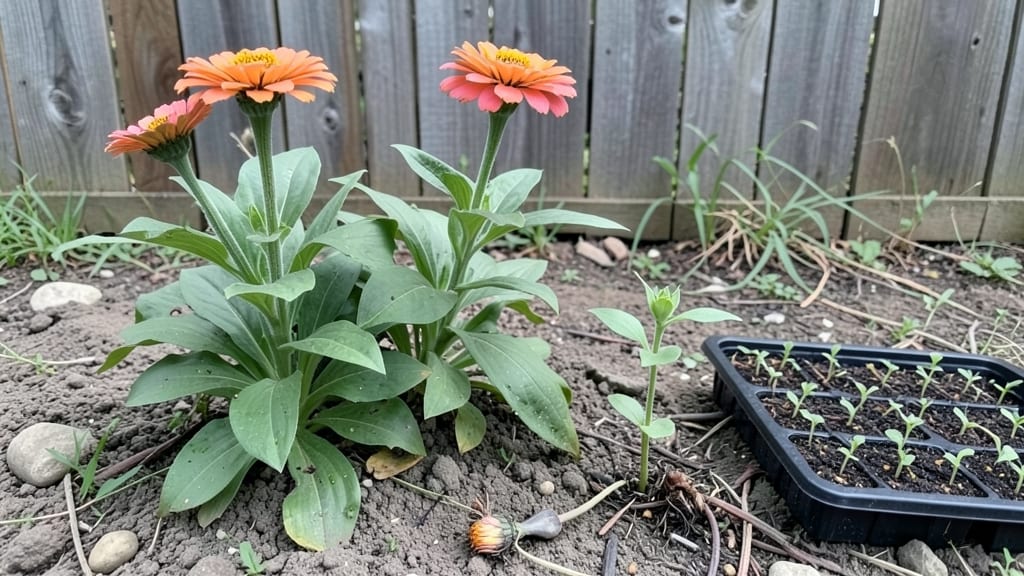
Succession planting zinnias guarantees nonstop color from early summer until frost, and the secret lies in timing three simple waves of planting. 🌻 I learned this after watching my first zinnias fade by August—now my garden stays vibrant for months longer, with minimal extra effort.
The key isn’t complicated: staggered plantings every 4-6 weeks, proper spacing, and consistent care keep blooms coming without gaps.
This method works even for beginners because zinnias thrive in average soil and full sun, and they’re disease-resistant if you deadhead regularly. You’ll need three sets of seeds or transplants, about 1/4 cup each, spaced 6-12 inches apart in rows 18 inches apart.
The first planting goes in when soil warms to 60°F, and each subsequent batch follows 4-6 weeks later—simple math that ensures overlapping bloom times.
By mid-July, your garden will look like a living rainbow, with zinnias in shades of red, pink, and yellow crowding out weeds and attracting pollinators. The best part? Each wave of plants takes over as the last one fades, so you never have bare spots.
Just keep the soil moist (not soggy) and pinch back leggy stems to encourage bushier growth—foolproof once you get the rhythm.
Whether you’re filling a flowerbed, cutting garden, or container, this approach scales easily. For extra insurance, interplant with marigolds to deter pests and basil to improve flavor if you harvest blooms for arrangements.
The only rule? Start early and stick to the schedule—your neighbors will ask how you keep zinnias blooming so long.
📚 In This Guide
- What you need
- Instructions
- Tips and common mistakes
- Wrapping up and next steps
What you need
- ● Zinnia seeds: 3–4 packets (100–200 seeds per packet) – Choose heat-tolerant varieties like Benary’s Giant or Profusion for best results.
- ● Well-draining potting mix: 10–15 gallons (or enough to fill seedling trays/containers). Look for a mix labeled for flower seeds or vegetables.
- ● Seedling trays or small pots: 50–72 cell trays (or 4–6-inch pots for direct sowing). Reusable plastic or biodegradable options work great!
- ● Garden soil: 1–2 bags of high-quality, amended soil (add compost for nutrients). Aim for a loamy texture.
- ● Watering can or spray bottle: With a fine mist nozzle for gentle watering.
- ● Garden gloves: A pair to protect your hands from soil and prickly stems.
- ● Trowel or hand shovel: For transplanting seedlings into the garden.
- ○ Plant markers (optional but helpful): Small sticks or labels to track planting dates.
- ● Sunlight: A full-sun location (6+ hours of direct sunlight daily). Zinnias are sun-worshippers!
- ● Temperature: First succession: Start seeds indoors 6–8 weeks before the last frost or direct-sow when soil temps reach 55–60°F (13–16°C).
- ● Second succession: Sow 4–6 weeks after the first planting, when the first zinnias begin flowering.
- ● Third succession: Plant 4–6 weeks after the second, or around mid-summer for late blooms.
- ● Water source: Consistent access to water for seedlings and mature plants.
- ● 🔥 Soil prep: Mix in compost or slow-release fertilizer (like 10-10-10) into your garden beds to give zinnias a nutrient boost.
- ● 🌡️ Heat tolerance: Zinnias thrive in heat—avoid overwatering, as soggy soil can cause root rot.
- ● ✨ Deadheading: Snip spent blooms to encourage nonstop flowering and extend the season!
Step-by-step instructions for succession planting zinnias
Here's how to keep your garden blooming all season with minimal effort.
🌱 Step 1: Time Your First Planting for Early Season
Start your first succession batch 2-3 weeks before your last frost date using the zinnias seeds and potting mix. Zinnias thrive in full sun and well-draining soil, so prepare a sunny garden bed or large container with 1-2 inches of compost mixed into the top 6 inches of soil. This ensures roots establish quickly in warm conditions.
Sow seeds ¼ inch deep, spacing them 6-8 inches apart in rows 12-18 inches apart. You'll want to plant 40-50 seeds for a continuous display. Water gently after planting to settle the soil around the seeds, but avoid oversaturating—they need moisture but not soggy conditions. Germination typically occurs in 7-14 days at 65-75°F, so keep the soil consistently moist until sprouts appear.
☀️ Step 2: Plant Successive Batches Every 3-4 Weeks
Once your first batch reaches 3-4 inches tall, it's time for the next succession. Plant another 30-40 seeds using the same spacing and depth. Zinnias grow quickly, so timing is key—you’ll want overlapping blooms to avoid gaps. I like to set a calendar reminder every 3-4 weeks for consistency, especially if your growing season is short.
Here's the thing—zinnias are heat-tolerant, so don’t worry if temperatures climb. In fact, they’ll reward you with bold, vibrant blooms even in 85-90°F weather. Just keep the soil moist (not waterlogged) and watch for first true leaves—that’s your cue they’re off to a strong start. If you’re in a cooler climate, extend your last planting to 8-10 weeks before your first frost to maximize blooms.
✂️ Step 3: Deadhead and Maintain for Continuous Blooms
Deadheading—removing spent blooms—is the secret to nonstop zinnias. As soon as a flower fades, pinch it off with your fingers or snip with clean pruning shears just above the next set of leaves. This encourages the plant to produce more buds and flowers instead of setting seed. I do this every 2-3 days during peak bloom, and my zinnias keep going strong for weeks.
Watch for powdery mildew in humid conditions—it looks like a white dusting on leaves. If you spot it, remove affected foliage immediately and avoid overhead watering. Zinnias are tough, but they’ll thank you for keeping them healthy. Mulch around the base with straw to retain moisture and suppress weeds, which saves time and keeps the soil cool for roots.
🌿 Step 4: Extend the Season with Late Plantings
For a fall display, sow your final batch 8-10 weeks before your first frost. Zinnias are frost-sensitive, so time this carefully. If you’re in a mild climate, you might even get blooms into early winter. In colder areas, protect late plantings with row covers on chilly nights to extend their season.
Here’s a pro tip: If your first batch starts to decline in late summer, don’t pull it—let it go to seed. The seeds will self-sow, giving you free zinnias next year! Just leave a few spent stems behind, and you’ll have surprise blooms popping up in spring. It’s like getting a bonus succession for free.
Tips & tricks for perfect succession planting zinnias
These simple strategies will help you avoid common pitfalls and maximize your zinnia blooms all season long.
Timing is Everything: The 2-3 week window before your last frost is critical for establishing strong roots. If you're unsure of your frost date, check your local USDA zone—zinnias in Zone 5 need that early start, while Zone 8 can plant slightly later. I've found that planting at 65-75°F gives the best germination rates, so if your spring is cool, consider using row covers for the first week after planting.
Planting Layout Matters: The 6-8 inch spacing between seeds might seem generous, but it prevents overcrowding as plants mature. For a more efficient layout, try staggering seeds in a diamond pattern rather than straight rows—this creates a denser display while maintaining airflow. In containers, reduce spacing to 4-6 inches to maximize blooms in limited space.
Deadheading Discipline: That 2-3 day deadheading schedule during peak bloom makes all the difference. I've learned the hard way that skipping this step leads to leggy plants and fewer flowers. Use clean pruning shears for larger plants to avoid damaging stems, or simply pinch off faded blooms with your fingers. This simple habit extends your blooming season by 3-4 weeks!
Season Extension Strategy: For those late summer plantings, the 8-10 week window before frost is your target. In cooler climates, use black plastic mulch to warm the soil—zinnias planted on warmed soil will bloom 5-7 days earlier. I've successfully extended my season by 2 weeks in Zone 6 using this technique, and the difference in bloom time is dramatic.
Pro Tips for Succession Planting Zinnias
- These simple strategies will help you avoid common pitfalls and maximize your zinnia blooms all season long.
- Timing is Everything: The 2-3 week window before your last frost is critical for establishing strong roots.
- Planting Layout Matters: The 6-8 inch spacing between seeds might seem generous, but it prevents overcrowding as plants mature.
Frequently asked questions
Got questions about keeping your zinnias blooming all season long?
Here are some of the most common ones—and their answers—to help you master succession planting like a pro!
What’s the best time to start my first succession planting of zinnias?
Start your first batch 4-6 weeks before your last frost date (indoors or in a greenhouse). For warm climates, plant the first round in early spring (March–April). Zinnias thrive in warm soil, so avoid transplanting until nighttime temps stay above 50°F (10°C). If you’re in a short-season zone, opt for fast-maturing varieties like Benary’s Giant or Profusion.
How often should I replant zinnias for continuous blooms?
For nonstop color, stagger plantings every 2–3 weeks after your first batch. In hot climates, you can even plant every 3 weeks until mid-summer. Stop succession planting 6–8 weeks before your first frost—zinnias won’t survive cold snaps, but you’ll still enjoy blooms until fall!
What if pests or diseases attack my zinnias before they bloom?
Zinnias are tough, but aphids, spider mites, or powdery mildew can still strike. Prevent issues by:
- Spacing plants 12–18 inches apart for airflow.
- Watering at the base (not overhead) to deter mildew.
- Using neem oil or insecticidal soap if pests appear.
Can I use succession planting for other flowers besides zinnias?
Succession planting works great for marigolds, sunflowers, cosmos, and snapdragons. The key is matching the plant’s days to maturity with your climate. For example:
Flower
Days to Bloom
Best Succession Interval
Marigolds
50–60 days
Every 3 weeks
Sunflowers
60–90 days
Every 4–6 weeks
What’s the easiest way to save seeds from zinnias for next year?
Let a few blooms fade naturally on the plant—when the petals drop, you’ll see a seed head (a spiky ball). Once it turns brown and dry, rub it gently to release seeds. Store them in a paper envelope in a cool, dry place. Pro tip: Label seeds by variety and date for next year’s succession planting!
Wrapping up and next steps
Succession planting zinnias is your golden ticket to a nonstop parade of color in your garden! 🌸 By mastering just three simple successions, you’ll enjoy blooms from early summer all the way into fall—no gaps, no fuss.
This method isn’t just practical; it’s rewarding, turning your garden into a vibrant, ever-changing masterpiece.
Ready to put your new skills to work? Grab your gloves and start planning your next succession—maybe even experimenting with different zinnia varieties for an even more dazzling display. Your garden (and your neighbors!) will thank you.