
Size
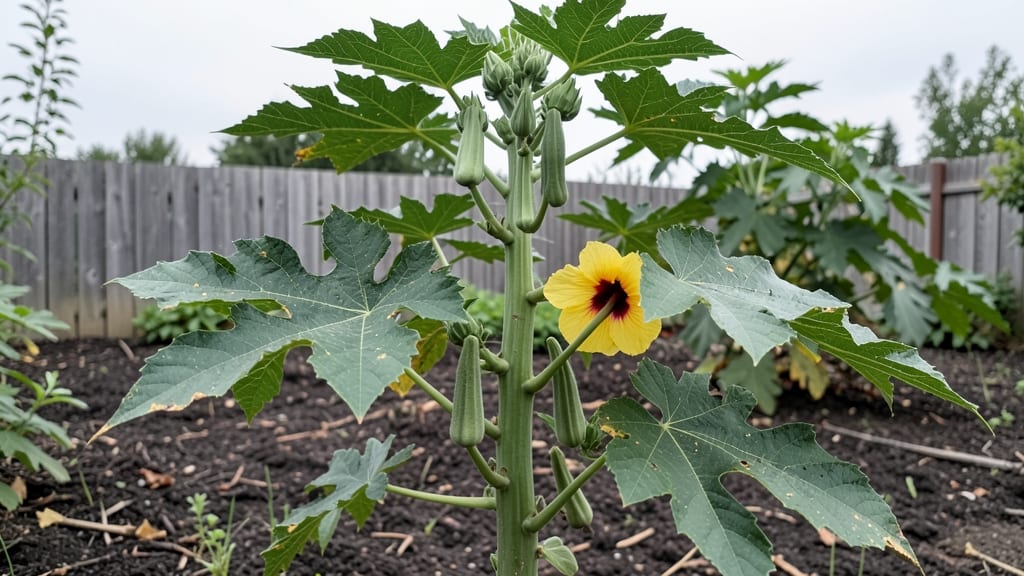
Tall okra plants reach 8 feet when given the right support, and I’ve learned that vertical growth isn’t just about space—it’s about maximizing yield and avoiding the flat, sprawling plants that rot at the base.
The key starts with soil: okra thrives in well-draining, slightly sandy loam with a pH between 6.0 and 6.8, and I’ve found that adding compost at planting time gives them the boost they need to shoot upward instead of outward.
Spacing is critical—plant seeds 18 inches apart in rows 3 feet apart to give roots room to establish before they climb. Once they hit 12 inches tall, install sturdy trellises or bamboo stakes, tying stems loosely with soft twine every 6 inches to prevent snapping.
I’ve tried metal cages, but they rust too fast in humid climates, so bamboo lasts longer and blends into the garden.
Water deeply twice a week during dry spells, but avoid wetting the leaves to prevent mildew—the tallest plants I’ve grown stayed healthy because I watered at the base with drip irrigation.
A balanced 10-10-10 fertilizer applied every 4-6 weeks keeps them producing pods all season, and pruning back side shoots encourages the main stem to focus on height and fruit rather than bushiness.
Pests like aphids and spider mites target the tender new growth, so I spray neem oil weekly as a preventative. The payoff? A 6-foot-tall plant can produce 20-30 pods where a sprawling one might yield half that.
With these techniques, even small gardens can grow okra like a tropical forest—just give them room to reach for the sky.
📚 In This Guide
- What you need
- Instructions
- Tips and common mistakes
- Wrapping up and next steps
What you need
- ● Okra Seeds: Choose a tall-growing variety like ‘Clemson Spineless’ or ‘Emerald’ (20-30 seeds for a small garden, 50+ for larger harvests).
- ● Well-draining soil: Mix equal parts garden soil, compost, and perlite (or coconut coir) for aeration. Aim for a pH of 6.0–6.8.
- ● Fertilizer: Balanced 10-10-10 or 5-10-10 fertilizer (1 tbsp per plant at planting).
- ● Organic options: Fish emulsion or composted manure (1 cup per plant mid-season).
- ● Watering can or drip irrigation: Okra needs 1–2 inches of water weekly (more in extreme heat).
- ● Mulch: Straw or shredded leaves (2–3 inches thick) to retain moisture and suppress weeds.
- ● Trellis or vertical support: Option 1: Bamboo stakes (3–4 ft tall, 3–4 per plant).
- ● Option 2: PVC pipes (4–5 ft, cut in half and buried 1 ft deep).
- ● Option 3: Wire mesh or netting (for large-scale vertical gardens).
- ● Pruning shears: For trimming leggy stems (sterilize with rubbing alcohol between cuts!).
- ● Garden gloves: Protect your hands from prickly okra pods and thorns.
- ○ pH testing kit: Optional but helpful for monitoring soil health.
- ● Sunlight: Full sun (6–8+ hours daily)—okra is a sun-worshipper!
- ● Warmth: Soil temps should be at least 70°F (21°C) before planting (use a soil thermometer if unsure).
- ● Space: Plant seeds 12–18 inches apart in rows 3–4 feet apart (or closer if using vertical supports).
- ● Patience: Okra grows fast—expect 60–90 days to harvest, depending on variety.
Step-by-step guide to growing tall, bushy okra plants
Here’s how to coax those towering, productive okra stalks you’ve seen in the garden—no secret tricks, just the right timing and care.
Choose the Right Variety and Plant at the Correct Time
Okra thrives in hot weather, so wait until after your last frost date when soil temperatures reach at least 70°F. I always pick heat-tolerant varieties like ‘Emerald’ or ‘Clemson Spineless’—they grow taller and produce more pods. Plant seeds ½ inch deep, spacing them 12 inches apart in rows 3 feet apart to give roots room to spread.
Direct sowing is best—okra hates transplanting. If your growing season is short, start seeds indoors 4-6 weeks before the last frost, but move them outside only after nighttime temperatures stay above 60°F. You’ll know it’s time when the soil feels warm to the touch and nearby plants are already flowering.
Provide Support and Fertilize for Strong Growth
Okra needs strong stems to reach its full height, so I install 6-foot-tall bamboo stakes or wire cages at planting time. Drive the stake 6 inches deep beside each plant and loosely tie the main stem to it with soft garden twine as it grows. This prevents snapping in wind or heavy pod loads.
Feed plants with balanced fertilizer (10-10-10) when they’re 6 inches tall, then again when flowers appear. I mix 1 tablespoon of fertilizer per plant into the soil at the base. Too much nitrogen makes leaves grow fast but delays fruiting—watch for dark green, lush foliage without pods as a sign to cut back.
Water Deeply and Maintain Consistent Moisture
Okra roots run deep, so water at the base every 2-3 days during dry spells, aiming for 1 inch of water per week. Let the top 2 inches of soil dry out between waterings—this prevents blossom-end rot and encourages tougher pods. I water in the early morning to reduce fungal risks and avoid wetting leaves, which can cause mildew.
You’ll see yellowing at the leaf edges if underwatered, but drooping or wilting means it’s time to water immediately. Mulch with 2 inches of straw to retain moisture and keep roots cool—okra bolts (goes to seed) faster in hot, dry soil.
Prune and Harvest for Continuous Production
Pinch off the first few flowers that appear to encourage bushier growth—this redirects energy to the main stem. Once the plant is 3 feet tall, let it flower freely. Harvest pods when they’re 3-4 inches long for the best texture and flavor. I use clean pruning shears to cut the pod cleanly at the stem—never twist, or you’ll damage the plant.
Harvesting regularly triggers more flowers and prevents the plant from putting all its energy into seed production. If pods grow past 5 inches, they become tough and stringy—check plants every 2-3 days during peak season. A healthy plant will keep producing for 60-90 days if you stay on top of harvesting.
Protect and Extend the Season
Okra struggles in cool weather, so if frost threatens, cover plants with frost blankets at night. I’ve kept plants producing well into fall by removing damaged leaves and watering deeply before cold snaps. If your season is short, succession plant seeds every 2 weeks for a continuous harvest.
Watch for aphids or spider mites—they love okra’s sap. Spray infested plants with neem oil or soapy water if you spot sticky residue on leaves. A thriving okra plant will grow 8-10 feet tall with dozens of pods per stalk—just give it space, heat, and regular attention.
Tips & tricks for perfect tall okra plants
Growing okra that reaches its full potential takes a few key strategies that make all the difference between scraggly plants and towering, productive stalks.
The Heat Factor: Soil temperature is everything when it comes to okra's growth. While the instructions call for waiting until soil reaches at least 70°F, I recommend using a soil thermometer to confirm. Okra seeds need warm soil to germinate properly—below 70°F and they'll sit there forever. If you're in doubt, cover your seedbed with black plastic for a few days to warm the soil faster. The 60°F nighttime minimum is also critical for young seedlings; if nights dip below that, use row covers to protect them.
Support System Secrets: Those 6-foot-tall bamboo stakes or wire cages are non-negotiable for tall okra. I've learned the hard way that flimsy supports snap under the weight of heavy pods. Bury the stakes at least 6 inches deep and use soft garden twine—not wire—to tie the main stem. Check the ties every week as the plant grows—they'll need adjusting. Pro tip: Install your supports at planting time, even if the seedlings are tiny. You'll thank yourself later when you're harvesting from plants that don't topple over.
Fertilizer Timing: The instructions mention fertilizing when plants reach 6 inches and again when flowers appear, but here's what nobody tells you: Okra actually benefits from a third feeding when the first pods form. Use that same 10-10-10 balanced fertilizer at half strength (½ tablespoon per plant) to give it a gentle boost. Too much nitrogen at any stage will give you leafy monsters with no pods. Watch for those dark green leaves with no flowers—that's your warning sign to cut back on the nitrogen.
Watering Wisdom: The 2-3 day watering schedule works well, but timing matters just as much as frequency. I water my okra plants in the early morning because it gives the leaves time to dry completely before evening. This simple habit prevents fungal diseases that can wipe out your plants. Also, pay attention to that 2-inch soil dryness guideline—stick your finger in the soil to check. If it feels damp more than 2 inches down, you're overwatering, which can cause blossom-end rot and make your pods bitter.
Pro Tips for Tall Okra Plants
- Growing okra that reaches its full potential takes a few key strategies that make all the difference between scraggly plants and towering, productive stalks.
- The Heat Factor: Soil temperature is everything when it comes to okra's growth.
- Support System Secrets: Those 6-foot-tall bamboo stakes or wire cages are non-negotiable for tall okra.
Frequently asked questions
Got questions about growing tall okra plants?
You’re not alone! Here are answers to the most common queries—from troubleshooting to timing—to help you master vertical okra harvesting like a pro.
Why are my okra plants growing so tall but not producing pods?
Tall okra plants often prioritize height over pods when they’re young or stressed. Fix this by: pruning the top 2–3 inches of vines to encourage bushier growth, ensuring full sun (6+ hours/day), and fertilizing with a balanced 10-10-10 mix. Heat (80–90°F) and consistent watering also trigger pod production.
How long does it take for okra plants to grow tall enough for trellising?
Okra typically reaches trellis height (4–8 feet) in 4–6 weeks from planting, depending on variety and climate. Monitor growth: if stems are 3–4 feet tall and sturdy, it’s time to secure them to a trellis or cage. Pro tip: Use soft ties to avoid damaging stems!
Can I grow tall okra in containers, or do I need a garden bed?
Yes! Okra thrives in large containers (15+ gallons) with drainage holes, especially dwarf varieties like ‘Burgundy’ or ‘Emerald.’ Ensure the pot gets full sun and use a lightweight potting mix. For taller varieties, opt for a 5-gallon fabric grow bag or a sturdy vertical planter.
What should I do if my tall okra plants develop yellow leaves or spots?
Yellow leaves or spots usually signal pests (aphids, spider mites) or disease (powdery mildew, bacterial leaf spot). Act fast:
- Pests: Spray with neem oil or insecticidal soap.
- Fungal issues: Remove affected leaves, improve airflow, and apply copper fungicide.
- Nutrient deficiency: Test soil pH (6.0–6.8 ideal) and amend with compost or Epsom salt for magnesium.
Are there tall okra varieties better suited for cooler climates?
Most okra loves heat, but ‘Clemson Spineless’ and ‘Jamaica Red’ tolerate slightly cooler temps (down to 50°F at night) better than tropical varieties. For short seasons, opt for early-maturing types (50–60 days) and start seeds indoors 2–3 weeks before the last frost.
Wrapping up and next steps
Growing tall okra plants is a rewarding way to maximize your garden space while enjoying a bountiful harvest! With the right techniques—like vertical trellising, proper spacing, and consistent care—you’ll transform your okra into a lush, productive powerhouse.
Whether you’re a seasoned gardener or just starting, these secrets make it easier than ever to grow taller, healthier okra.
Ready to put your newfound knowledge to work? 🌱 Start by selecting a sunny spot, setting up your trellis, and planting those seeds. Soon, you’ll be harvesting long, vibrant pods straight from your vertical garden—no more wasted space! Happy growing!