
Pruning
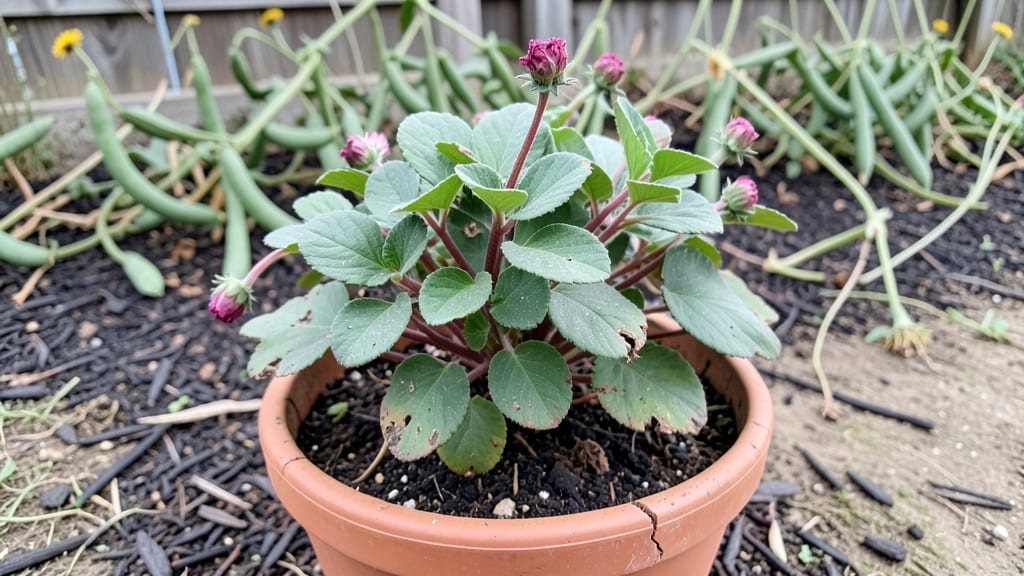
Trimming geranium plants isn't just about keeping them tidy—it's the secret to nonstop blooms that last from spring through frost. I learned this the hard way when my first geraniums turned into leggy sticks after one summer.
The right cuts at the right time make all the difference, and it only takes three strategic trims a year to transform them.
You'll need sharp pruners, a clean cutting surface, and about 15 minutes of focused time. The key is cutting just above a leaf node—where new growth emerges—never leaving stubs.
Start in early spring to shape the plant, then again after the first flush of blooms to encourage a second wave, and do a light cleanup in fall to prep for winter.
After your first trim, you'll notice thicker stems and more flowers than ever before. The plants fill out faster, shade their own roots better, and even bloom later in the season. My geraniums now produce so many flowers that I have to deadhead daily just to keep up.
This method works for both zonal geraniums (the classic bedding plants) and pelargoniums (the fancy ones for containers). The only rule? Never trim into old wood—always cut where you see fresh green growth. Ready to give it a try?
📚 In This Guide
- What you need
- Instructions
- Tips and common mistakes
- Wrapping up and next steps
What you need
- ● Sharp bypass pruners (1 pair) – Look for stainless steel blades (4–6 inches) to avoid crushing stems.
- ● Hand pruners or shears (1 pair) – For smaller stems (ideal for detailed trimming).
- ● Garden gloves (1 pair) – Thick, cut-resistant gloves (e.g., nitrile-coated) to protect from thorns.
- ● Disinfectant (70% isopropyl alcohol or bleach solution) – 1 part bleach to 9 parts water to sterilize tools between cuts.
- ○ Garden twine or rubber bands (small roll) – Optional: To secure large stems during trimming.
- ● Pruning saw – For woody, thick stems (rare in geraniums but useful for mature plants).
- ● Plant food (balanced fertilizer, 10-10-10) – Apply post-trimming to boost regrowth.
- ● Spray bottle with water – Mist stems after trimming to reduce stress.
- ● Notebook & pen – Track trimming dates and plant responses for future reference!
Instructions for trimming geranium plants
Here’s how to keep your geraniums lush and flowering all season with just three strategic cuts.
Early Spring Trim to Encourage New Growth
Start by removing any dead or damaged stems at the base with clean, sharp pruners. Look for brown, brittle growth or stems that look hollow inside—these won’t recover. Cut just above a set of healthy leaves or a leaf node, where new growth will emerge. This is your signal to wake up the plant for the season.
Next, trim back the remaining stems by about one-third. Focus on shaping the plant rather than just cutting randomly—this keeps the center open and airy, preventing disease. If your geraniums were leggy over winter, this is the time to bring them back to a more compact form. You’ll see fresh, vibrant green leaves appear within a week or two.
Mid-Summer Deadheading and Light Pruning
Once your geraniums start flowering, remove spent blooms by pinching or cutting just above the next set of leaves. This prevents the plant from wasting energy on seed production and redirects it to more flowers. I do this every 7-10 days, or whenever I notice wilting blooms. The goal is to keep the plant looking tidy and encourage continuous flowering.
While deadheading, check for any stems that have grown too long or are crowding the center. Trim these back by about one-fourth to maintain the plant’s shape. Avoid cutting into old wood—geraniums struggle to regrow from mature stems. If you’re unsure, err on the side of leaving it longer rather than cutting too aggressively.
Late Summer to Early Fall Renewal Cut
In late summer, give your geraniums a final trim to prepare for the cooler months ahead. Cut back all stems by about half, focusing on removing any leggy or weak growth. This helps the plant focus its energy on developing strong roots and preparing for dormancy. You’ll be left with a bushier, more compact plant that’s ready to handle the transition into fall.
After trimming, water the plant deeply to help it recover. Avoid fertilizing at this stage—geraniums need time to adjust before they can benefit from additional nutrients. In a few weeks, you’ll notice new growth emerging from the base, signaling that the plant is responding well to the cut.
Winter Prep and Light Maintenance
If you’re growing geraniums in colder climates, move potted plants indoors before the first frost. Trim any remaining dead or weak stems, but avoid heavy pruning—this can stress the plant. Place them in a bright, cool spot with minimal watering until spring. For outdoor geraniums in mild climates, a light trim to remove any frost-damaged growth is enough to keep them tidy.
Throughout winter, keep an eye on your geraniums. If you notice any new growth, it’s a sign the plant is still active and may need a little water. However, most geraniums enter a dormant phase, so resist the urge to prune or fertilize until spring. This patience ensures a stronger, more vibrant plant when the growing season returns.
Tips & tricks for perfect geranium trimming
These simple strategies will help you maintain healthy, vibrant geraniums all year long—without the guesswork.
Tool Prep: Always use clean, sharp pruners to make precise cuts that heal faster and reduce the risk of disease. I sterilize my pruners with rubbing alcohol between plants to prevent spreading any potential pathogens. Dull blades can crush stems, making them more vulnerable to infection, so take a moment to sharpen them if they feel sluggish.
Visual Cues for Cutting: When trimming in Step 1, look for the leaf nodes—these are the small bumps where leaves attach to the stem. Cut just above a leaf node to encourage new growth from that spot. In Step 2, focus on removing blooms that have started to wilt or turn brown, as these are ready to be pruned. This keeps the plant's energy focused on producing fresh flowers rather than maintaining spent ones.
Seasonal Timing: The three trims correspond to natural growth cycles, so don't rush them. In Step 1, wait until you see fresh green leaves emerging before doing the one-third trim—this signals the plant is ready for new growth. For Step 2, the 7-10 day schedule works best when your geraniums are actively flowering, which typically happens in late spring to early summer. The late summer trim in Step 3 should happen when you notice growth slowing down naturally, usually around late August or early September.
Recovery Care: After each major trim (especially Steps 1 and 3), give your geraniums extra attention for the first two weeks. Water deeply but avoid overwatering, as freshly trimmed plants are more susceptible to root stress. A light application of balanced fertilizer after Step 1 can help, but hold off until you see new growth appearing. This gives the plant time to recover from the pruning shock before demanding more nutrients.
Pro Tips for Trimming Geranium Plants
- These simple strategies will help you maintain healthy, vibrant geraniums all year long—without the guesswork.
- Tool Prep: Always use clean, sharp pruners to make precise cuts that heal faster and reduce the risk of disease.
- Visual Cues for Cutting: When trimming in Step 1, look for the leaf nodes—these are the small bumps where leaves attach to the stem.
Frequently asked questions
Got questions about keeping your geraniums thriving with the right trims? Here are some of the most common ones—and their answers!
When is the best time to trim geraniums for maximum blooms?
Trim geraniums three times a year: early spring (just before new growth), mid-summer (after the first flush of blooms), and late summer/early fall (to prep for winter). Avoid trimming during frost or extreme heat—geraniums need stable energy to recover!
How much can I cut back geraniums without harming them?
You can safely trim up to ⅓ of the plant’s height in one session. For woody stems, cut just above a leaf node (the bump where leaves grow) to encourage new growth. Never remove more than half the plant at once—this stresses geraniums and can stunt blooming.
What should I do if my geraniums look leggy after trimming?
Leggy growth happens when plants stretch for light. To fix it: move them to a sunnier spot (geraniums need 6+ hours of sun daily) and trim again lightly to encourage bushier growth. Use a balanced fertilizer (like 10-10-10) to support new, compact foliage.
Can I propagate geraniums from trimmings?
Root cuttings in water or soil after trimming:
- Snip a 3–4 inch stem with 2–3 leaves.
- Remove lower leaves and dip in rooting hormone (optional).
- Place in water or moist potting mix, keeping it warm and humid.
- Roots form in 2–4 weeks—transplant once established!
Do I need to trim geraniums before winter?
For tender geraniums (zonal/pelargoniums), trim back by half before bringing indoors or covering with mulch. For hardy geraniums (cranesbill types), a light trim removes dead growth—no heavy pruning needed. Always wait until after the first frost for outdoor plants.
Wrapping up and next steps
Trimming your geraniums doesn’t have to be intimidating—with just three precision trims a year, you can keep them thriving and bursting with color! 🌸 The key is timing, technique, and a little patience, but the reward is stunning, long-lasting blooms that’ll make your garden the envy of the neighborhood.
Now that you’re armed with the right tools and tips, there’s no better time to grab those shears and get pruning!
Ready to take it to the next level? Experiment with deadheading for even more flowers or try propagating your cuttings to share with friends. Happy gardening—your geraniums (and your future blooms) will thank you!