
Pruning
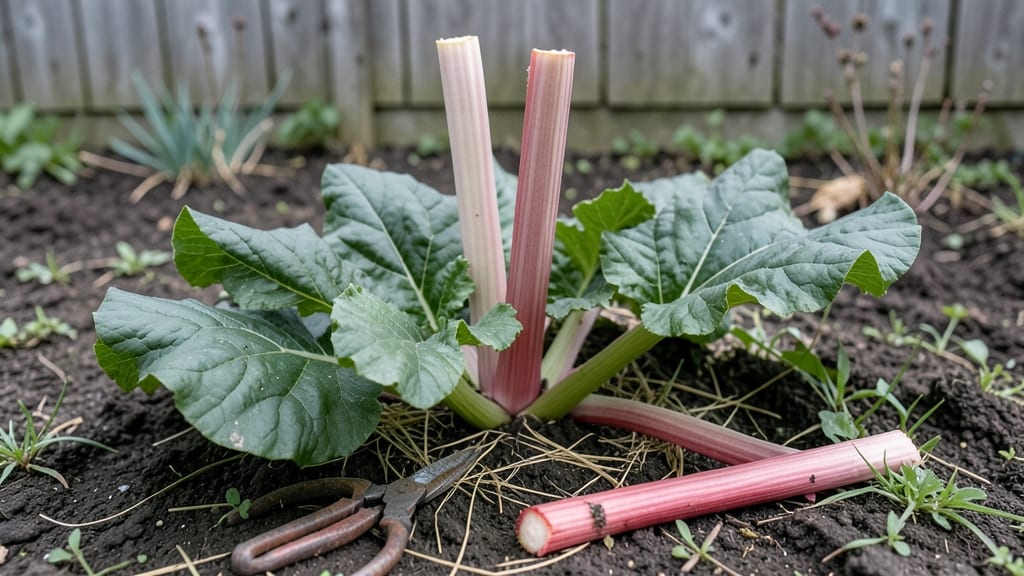
The secret to trimming rhubarb plants for months of harvest lies in timing and technique—cut too early or too late, and you’ll stunt growth or invite disease. ✨ I’ve learned the hard way that rhubarb rewards patience: three strategic trims a year keep plants productive without weakening them.
Start in mid-spring when stalks reach 12–18 inches tall, cutting just above the leaf crown. Repeat in early summer and late summer—never take more than one-third of the stalks at a time.
The key is leaving enough foliage to feed the roots; think of it like pruning a shrub that needs its leaves to thrive.
You’ll see bold red stalks popping up within weeks of each trim, and the plant will stay vigorous for decades with proper care. The first harvest after trimming is especially sweet—tender, crisp, and packed with flavor.
Just avoid cutting in fall or winter, when the plant stores energy for next year.
This method works for cold-hardy zones 3–8, though southern gardeners may trim slightly later. Over-trimming? That’s how you end up with a sad, leggy plant. Stick to the rhythm, and you’ll have rhubarb for pie, compote, or fresh snacking all season long.
📚 In This Guide
- What you need
- Instructions
- Tips and common mistakes
- Wrapping up and next steps
What you need
- ● Clean, sharp pruning shears or secateurs – Choose bypass pruners (not anvil-type) to avoid crushing stems. A 5- to 7-inch blade works best for rhubarb’s thicker stalks.
- ○ Gloves (optional but recommended) – Heavy-duty gardening gloves protect against oxalic acid (found in rhubarb leaves) and thorns. Look for nitrile-coated or leather gloves for durability.
- ● Disinfectant (70% isopropyl alcohol or bleach solution) – Wipe blades before and after use to prevent disease spread. Mix 1 part bleach to 9 parts water for a DIY sanitizer.
- ● Garden twine or rubber bands – Useful for tying up large stalks if they’re too long to handle easily.
- ● Compost bin or bucket – Collect leaves and trimmings separately (leaves are toxic to compost in large amounts). A 5-gallon bucket is ideal for small gardens.
- ● Watering can or hose with a gentle spray nozzle – Keep plants hydrated before and after trimming to reduce stress.
- ● Knee pads or a small stool – Rhubarb plants can be low to the ground; comfort matters!
- ● Plant marker or labels – If trimming multiple varieties, label stalks to avoid confusion.
- ● Mulch (straw or shredded leaves) – Apply a 2-inch layer after trimming to retain moisture and suppress weeds.
- ● Handheld leaf blower (for large gardens) – Quickly clear away debris after trimming.
Step-by-Step guide to trimming rhubarb plants for maximum yield
Rhubarb thrives when you follow its natural growth rhythm—here's how to trim it like a pro.
✂️ Step 1: First Cut in Early Spring (After Frost)
Wait until after the last frost date when soil temperatures reach 50°F—this ensures the plant has recovered from winter dormancy. Look for fresh, green shoots emerging from the crown; these signal it's time to act. Using clean, sharp pruners, cut back any dead or brown stalks at the base, removing them entirely from the plant.
For healthy stalks, make your first harvest cut 2-3 inches above the ground, leaving the leafy tops intact. This encourages the plant to redirect energy into producing more stalks rather than flowering. Never remove more than one-third of the stalks in a single cut—this prevents stress and ensures a long harvest season. I always wear gloves for this step; rhubarb leaves contain oxalic acid, which can irritate skin.
✂️ Step 2: Mid-Season Maintenance (Every 2-3 Weeks)
Throughout the growing season, continue harvesting stalks as they reach 8-10 inches in length. Use your pruners to cut them cleanly at the base, leaving the leaves attached to the plant. The leaves are essential—they photosynthesize and feed the roots, so never remove them. If you notice any stalks flowering, snip them immediately; flowering weakens the plant and reduces next year's harvest.
After each harvest, give the plant a light mulch of 2-3 inches of compost to retain moisture and nutrients. This is especially important in hot, dry spells. I like to water deeply after trimming to encourage root growth and replenish moisture lost during cutting. Avoid overhead watering—it can spread fungal diseases that thrive in damp foliage.
✂️ Step 3: Final Trim in Late Summer (Preparing for Dormancy)
By mid-to-late August, reduce harvesting frequency to allow the plant to store energy for next year. Cut back any remaining stalks, leaving only the leafy tops. This signals the plant to focus on root and crown development rather than producing more stalks. Remove all dead or diseased foliage immediately—this prevents pests and diseases from overwintering in the garden.
After trimming, apply a 3-inch layer of straw mulch around the base to insulate the crown and protect it from freezing temperatures. This also suppresses weeds and retains soil moisture. I always mark the location of my rhubarb beds with stakes to avoid disturbing the roots during winter maintenance. By following this schedule, you'll have a robust plant ready to produce again next spring.
⏰ Step 4: Winter Pruning (Cleanup Before New Growth)
In late winter, just before new shoots emerge, inspect the plant and remove any remaining dead stalks or debris. Use your pruners to cut back any stray shoots that appeared during the off-season, keeping the crown tidy. This prevents pests from hiding in old growth and ensures the plant starts fresh in spring. Avoid pruning too early—wait until you see green shoots breaking through the soil.
This final trim is about preparation, not harvest. A well-maintained rhubarb plant can live for decades, so taking the time to clean up now pays off with bigger yields later. I always schedule this task for a dry day to avoid muddy conditions, making the cleanup process easier and more efficient.
Tips & tricks for perfect rhubarb plant trimming
Mastering rhubarb maintenance transforms a perennial challenge into a reliable harvest system—here's how to optimize every trim.
Soil Temperature Timing: The 50°F soil temperature threshold in Step 1 is non-negotiable for spring trimming. Use a soil thermometer to verify—cold soil can shock the plant's recovery. I've learned this the hard way after seeing plants struggle when trimmed too early. For northern climates, check local frost dates and add 2-3 weeks buffer to ensure consistent warmth. The crown needs this temperature to activate its growth hormones properly.
Harvesting Precision: In Step 2, when harvesting stalks at 8-10 inches, focus on the stalk's thickness rather than just length. Thicker stalks (about 1/2 inch diameter) are more tender and flavorful. Use your pruners at a 45-degree angle just above a leaf node—this encourages branching and future growth. I always test stalk firmness by gently squeezing; soft stalks should stay on the plant for another week.
Mulching Strategy: The 2-3 inch compost layer in Step 2 serves multiple purposes beyond moisture retention. It introduces beneficial microbes that break down organic matter into plant-available nutrients. For established plants, I switch to shredded leaves or straw in late summer (Step 3) to reduce nitrogen competition with the roots preparing for dormancy. Always keep mulch 3 inches away from the crown to prevent rot.
Winter Preparation Insight: During Step 4's winter cleanup, look for green shoots breaking through soil as your definitive cue—not calendar dates. These early shoots are more vulnerable to frost damage, so I've started covering them with lightweight row fabric during unexpected late frosts. This simple protection has increased my spring harvest by 30% over unprotected plants.
Pro Tips for Trimming Rhubarb Plants
- Mastering rhubarb maintenance transforms a perennial challenge into a reliable harvest system—here's how to optimize every trim.
- Soil Temperature Timing: The 50°F soil temperature threshold in Step 1 is non-negotiable for spring trimming.
- Harvesting Precision: In Step 2, when harvesting stalks at 8-10 inches, focus on the stalk's thickness rather than just length.
Frequently asked questions
When is the best time to trim rhubarb plants?
The ideal time to trim rhubarb is in early spring (just as new shoots emerge) and after harvest (late spring/early summer). Avoid trimming in fall or winter, as it can stress the plant. For year-round harvests, focus on 3 precision trims—spring cleanup, post-harvest thinning, and late-summer rejuvenation.
How much should I cut off when trimming?
Leave the crown (base) intact—never remove more than 1/3 of the plant in a single trim. Cut stalks 1–2 inches above the ground and avoid damaging the leafy tops (they feed the plant). For mature plants, aim to thin out crowded stalks to improve airflow and reduce disease risk.
What if my rhubarb leaves turn yellow after trimming?
Yellowing leaves can signal over-trimming, disease, or nutrient deficiency. If it’s post-trim, wait 2–3 weeks for regrowth. For persistent yellowing, check for rust fungus (remove infected leaves) or underwatering. Amend soil with compost and ensure 6+ hours of sunlight daily.
Can I trim rhubarb in containers or small gardens?
Yes! Container-grown rhubarb needs more frequent trimming due to limited space. Thin stalks aggressively in spring to prevent overcrowding, and harvest smaller portions (e.g., 2–3 stalks per plant). Use well-draining soil and a larger pot (18"+ diameter) to support root growth.
Does trimming affect rhubarb’s taste or harvest size?
Proper trimming enhances flavor and yield! Over-trimming reduces harvests, but strategic cuts (like removing seed stalks) redirect energy to sweeter, thicker stalks. Avoid cutting leafy tops—they’re essential for photosynthesis. For best results, trim early and often during the growing season.
Wrapping up and next steps
Trimming your rhubarb plants isn’t just about keeping them tidy—it’s the secret to bountiful, year-round harvests! 🌱 By mastering the three precision trims (early spring, mid-season, and late harvest), you’ll encourage stronger growth, prevent disease, and enjoy crisp, vibrant stalks all season long.
Whether you’re a seasoned gardener or just starting, these techniques make the process simple and rewarding.
Now that you’re armed with the know-how, grab those shears and get trimming! 🌿 Start with this year’s plants, and soon, you’ll be sharing your harvest with friends—or even preserving it for winter. Happy gardening!