Pruning
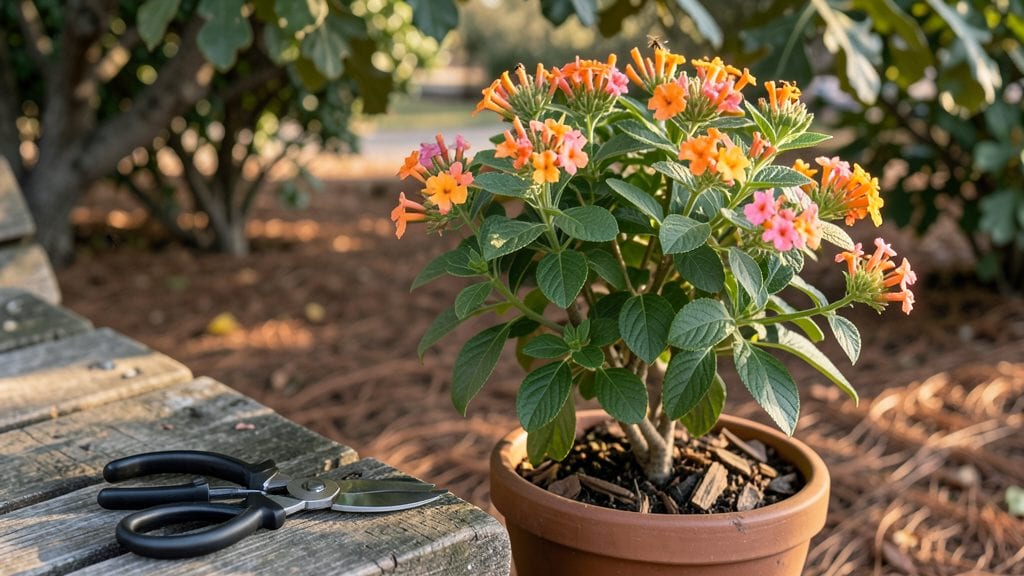
Trimming lantana plants isn’t just about keeping them tidy—it’s the secret to those nonstop blooms that make neighbors stop and stare. 🌿 I’ve learned the hard way that skipping pruning turns vibrant lantanas into leggy, sparse bushes that barely flower.
The right cuts at the right time transform them into flowering powerhouses that bloom from spring through frost.
You only need three sharp cuts a year to get this right: a light shape-up in early spring, a midseason trim to encourage bushiness, and a final hard cut before winter.
Grab clean pruners or shears—no fancy tools needed—and focus on cutting just above leaf nodes where new growth will sprout. Most people over-prune in fall, which stunts spring blooms, but a light 25% reduction is all you need to prep for winter.
After each trim, your lantana will respond with dense, compact growth and clusters of tiny flowers that bees can’t resist. The first flush of blooms after spring pruning is especially dramatic—picture a bush covered in pink, yellow, or orange blossoms that last for months.
Even if you’ve neglected pruning before, a single strategic cut can revive a plant within weeks.
Works for both container lantanas and in-ground shrubs, and adapts to any climate zone where lantanas thrive. The key is consistency—just 10 minutes every few months keeps your plants looking like they belong in a tropical garden instead of your backyard. Let’s get those shears ready!
📚 In This Guide
- What you need
- Instructions
- Tips and common mistakes
- Wrapping up and next steps
What you need
- ● Pruning shears or bypass pruners: Sharp, clean, and sterilized (7-inch blades work well for most lantana varieties). Quantity: 1 pair.
- ● Hand pruners (for smaller branches): Ergonomic, with a comfortable grip for precision cuts. Quantity: 1 pair.
- ● Loppers (for thicker stems): 8-12 inch, with a bypass blade for clean cuts. Quantity: 1 pair.
- ● Gloves: Heavy-duty gardening gloves to protect against thorns and sap. Quantity: 1 pair.
- ● Disinfectant (70% isopropyl alcohol or bleach solution): To sterilize tools between cuts and prevent disease spread.
- ○ Trimming saw (optional for very thick stems): A pruning saw with a fine-toothed blade for stubborn, woody branches.
- ● Garden twine or zip ties: To secure large branches if needed during trimming.
- ● Garden bag or bucket: For collecting pruned branches and debris. Size: At least 5 gallons.
- ● Water and mild soap: For cleaning tools post-trimming.
- ● Knee pads or a small stool: For comfort if you're trimming larger bushes.
- ● Plant food or fertilizer: A balanced, slow-release fertilizer (10-10-10 ratio) to nourish your lantana after trimming.
- ● Mulch: Organic mulch (like shredded bark) to retain moisture and suppress weeds.
- ● Spray bottle with water: To mist tools and prevent sap from sticking.
- ● Safety glasses: If you're dealing with a lot of debris or dust.
How to trim lantana plants for continuous, vibrant blooms
Here's the method I use to keep lantana flowering like crazy all season—no dead wood, no leggy stems, just nonstop color.
✂️ Step 1: Perform a Hard Prune After Spring's Last Frost
Wait until after your area's final frost date, then grab your pruners and cut back one-third of the plant's height—about 6-12 inches from the base, depending on how tall it grew last year. This might seem drastic, but lantana is tough and will bounce back with thick, bushy new growth within weeks.
Focus on removing any dead, brown stems first—they won't regrow. Then cut back the oldest wood to encourage fresh, flowering growth from the base. You'll see new shoots emerging from the soil line within 10-14 days. This early prune sets up the plant for its first big flush of blooms.
✂️ Step 2: Light Pruning After Each Flowering Cycle
When you notice 50% of the flowers fading (usually every 6-8 weeks), it's time for a light trim. Snip back just the spent flower clusters—cut just above a set of healthy leaves on each stem. This encourages the plant to produce new blooms instead of putting energy into seed development.
Never cut more than 20% of the plant's height in a single session. You'll know you're doing it right when you see fresh green growth at the tips of the stems within 3-5 days. This mid-season maintenance keeps lantana looking full and flowering continuously.
✂️ Step 3: Final Light Trim in Late Fall Before Dormancy
About 4-6 weeks before your area's first frost, give the plant one last light trim to clean up any leggy growth. Cut back only the newest, non-flowering growth—about 1-2 inches from the tips of the stems. This prevents the plant from putting energy into tender new growth that won't survive winter.
Remove any dead or diseased stems completely. You'll see the plant slow its growth but maintain a neat shape. In warmer climates, you can skip this step entirely—lantana often stays green year-round with minimal care.
🌿 Bonus: Year-Round Maintenance Tips
Water deeply once a week after pruning to help the plant recover. Lantana is drought-tolerant once established, but it needs moisture to push out fresh growth after a hard cut. You'll notice new leaves appearing within 5-7 days if moisture and warmth are right.
Apply a balanced fertilizer (10-10-10) in early spring and again after your mid-season prune. This gives the plant the nutrients it needs to produce abundant flowers. Avoid heavy fertilizing in fall—it encourages tender growth that may not survive winter.
Tips & tricks for perfect lantana trimming
Here's what I've learned after years of keeping lantana blooming nonstop—these tricks make all the difference between a leggy, sad plant and one covered in vibrant flowers.
Timing is Everything: The 10-14 days after your hard spring prune is when lantana shows its true resilience. That's when you'll see those first fresh shoots pushing through the soil. If you're not seeing new growth by day 14, check your soil moisture—lantana needs consistent watering during this critical recovery period. I always keep a spray bottle handy to give extra moisture if the weather gets dry during these first two weeks.
Pruning Precision: When you're doing that mid-season light trim (Step 2), look for the healthiest leaf pair just below the spent flowers. Cutting just above this pair ensures you're encouraging new growth from a strong spot. I like to use sharp pruners and make clean cuts at a 45-degree angle to prevent water from pooling on the stem, which can cause rot. This small detail keeps your lantana looking professional and healthy.
Seasonal Adaptation: In warmer climates where frost isn't a concern, you can actually prune lantana year-round to maintain shape and encourage blooms. The key is to never remove more than 20% of the plant's height in any single session, even in these mild conditions. I've seen lantana plants in Florida that bloom continuously with just light trims every 6-8 weeks, producing flowers all year without any dormancy period.
Fertilizer Timing: That 10-10-10 balanced fertilizer should go on right after your hard spring prune and again after your mid-season trim. The first application gives the plant a nutrient boost as it's pushing out new growth, while the second application supports the heavy flowering period. I always mix the fertilizer with water and apply it to the soil around the base—never directly on the leaves—to avoid burning the plant.
Pro Tips for Trimming Lantana Plants
- Here's what I've learned after years of keeping lantana blooming nonstop—these tricks make all the difference between a leggy, sad plant and one covered in vibrant flowers.
- Timing is Everything: The 10-14 days after your hard spring prune is when lantana shows its true resilience.
- Pruning Precision: When you're doing that mid-season light trim (Step 2), look for the healthiest leaf pair just below the spent flowers.
Frequently asked questions
Got questions about trimming lantana plants?
You’re not alone! Here are the most common queries—plus straightforward answers—to keep your lantana thriving with minimal stress.
When is the best time to trim lantana plants?
Trim lantana three times a year: spring (after frost risk passes), mid-summer (after blooming), and late summer/early fall (to prep for winter). Light pruning can happen year-round to shape plants, but avoid heavy cuts in winter if frost is expected.
How much can I cut back lantana without harming it?
Lantana is tough—you can trim up to ⅓ of the plant at a time without stressing it. For aggressive growth, cut back old wood by half in spring and shape stems to encourage bushier, fuller blooms. Avoid over-trimming in one session, though!
Will trimming lantana reduce its flowers?
No—pruning actually boosts blooms! Trimming encourages new growth and more flowers by redirecting energy. Deadhead spent blooms regularly (snip just above a leaf node) to prompt continuous flowering. Just avoid cutting into woody stems unless reviving an overgrown plant.
What if my lantana looks leggy after trimming?
Leggy growth happens when plants stretch for light. Fix it by:
- Trimming back top growth to encourage side shoots.
- Moving the plant to partial shade (lantana tolerates it!) if sunlight is limited.
- Fertilizing lightly with balanced 10-10-10 to support regrowth.
Are there non-pruning alternatives to control lantana spread?
If pruning feels like too much work, try these low-maintenance options:
- Mulching: Apply 3–4 inches of mulch to suppress weeds and slow root spread.
- Container growing: Plant in pots to contain roots (lantana thrives in 10+ gallon containers!).
- Natural barriers: Use landscape fabric or edging to block underground runners.
Wrapping up and next steps
Trimming your lantana plants isn’t just about keeping them tidy—it’s the secret to year-round bursts of color and a healthier shrub. By mastering the three strategic cuts (light shaping, deadheading, and seasonal pruning), you’ll encourage lush growth, prevent overcrowding, and enjoy vibrant blooms all year. 🌸
Now that you’re armed with the know-how, grab those shears and give your lantana the TLC it deserves. Start with a quick trim this weekend—your future blooms will thank you! For extra inspiration, check out before-and-after pruning galleries to see the transformation firsthand.