Shrubs
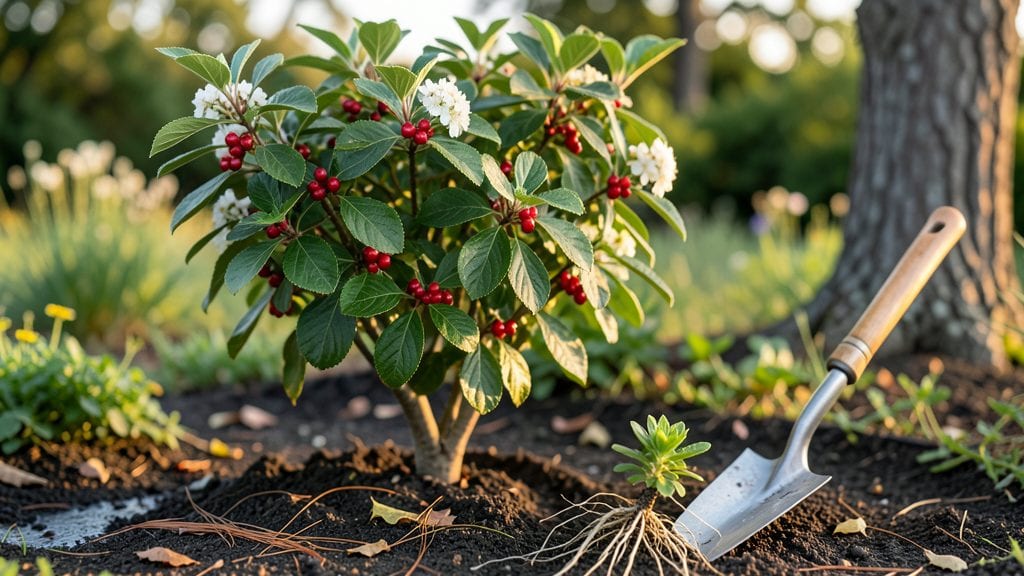
Planting viburnum 🌿 with the right distance is the secret to bushes that burst with flowers and stay disease-free for decades.
Struggling to get your viburnum shrubs to thrive with lush growth and proper airflow? The right planting distance isn’t just about aesthetics—it determines your plants’ long-term health, disease resistance, and even flower production.
Too close, and you’ll battle fungal spots and stunted growth. Too far apart, and your garden looks sparse when it could be a vibrant border.
In Zone 6, most varieties need 4 to 6 feet between plants, but the exact spacing depends on the type—whether you’re growing a compact Viburnum dentatum or a towering Viburnum plicatum.
Below, I’ll break down the ideal spacing for hedges, specimen plants, and mixed borders—plus how to adjust for soil, sunlight, and future pruning needs so your viburnum thrives for years.
Optimal Viburnum planting distance by species & variety
Getting your viburnum shrubs to thrive starts with the right planting distance. Each species has unique growth habits—some sprawl wider while others grow taller. I’ve planted Viburnum dentatum in my backyard, and spacing it too close led to crowded branches and poor airflow.
The key is balancing sunlight exposure, air circulation, and future growth potential.
Overcrowded viburnums struggle with disease susceptibility (like powdery mildew) and reduced flower production. Meanwhile, spacing them too far apart wastes garden space. Below, I’ve broken down the ideal distances for popular viburnum varieties, including hedge formations and specimen planting.
For Viburnum dentatum, I recommend 5–6 feet apart when planting as a specimen shrub. This gives the branches room to spread naturally while maintaining airflow to prevent fungal issues.
In my hedge formation, I planted them 3–4 feet apart—close enough to create a dense barrier but not so tight that pruning becomes a nightmare.
If you’re planting Viburnum plicatum, which can reach 10–15 feet wide, give it 8–10 feet of space for a specimen look. These shrubs have layered branches, so crowding them will smother the stunning horizontal tiers.
For hedges, 5–6 feet apart works well, but expect slower filling-in compared to arrowwood varieties.
Smaller varieties like Viburnum bodnantense thrive in tighter spaces—4–5 feet apart for specimens or 3–4 feet for hedges. These compact shrubs are perfect for foundation plantings or mixed borders where space is limited. Just ensure they get partial shade to prevent leaf scorch in hot climates.
When planning your layout, consider the mature size of each variety. A Viburnum opulus planted 6 feet apart might seem plenty at first, but its 5–8 foot spread will eventually touch its neighbors. This can lead to competition for nutrients and increased pest pressure from crowded conditions.
Pro tip: Use stakes and twine to mark your planting spots before digging. This helps visualize the final spacing and prevents accidental overcrowding. I always sketch a rough layout on graph paper, scaling 1 inch = 1 foot to ensure everything fits my garden’s dimensions.
For airflow optimization, avoid planting viburnums in tight rows along fences or walls. Instead, create a U-shaped arrangement with 3–4 feet between rows. This allows air to circulate from all sides, reducing humidity and disease risk. My Viburnum trilobum thrives in this setup, producing abundant berries every fall.
Remember, soil quality and climate zone can tweak these distances slightly. In USDA Zone 5, viburnums grow slower, so you might plant them 1–2 feet closer than in Zone 7. Always check your local microclimate—windy areas may need slightly wider spacing to prevent branch damage.
Finally, don’t forget about future pruning needs. Tight spacing forces you to prune more aggressively, which can reduce flowering. By following these guidelines, your viburnums will reward you with lush foliage, abundant blooms, and minimal maintenance. Happy planting! 🌿
How to adjust planting distance for soil, climate & garden layout
Your viburnum shrubs won’t just survive—they’ll thrive—when you adjust their planting distance based on your local conditions. Soil fertility, USDA hardiness zone, and garden layout all play critical roles in determining whether your plants get enough airflow, sunlight, and root space.
For example, a Viburnum dentatum in USDA Zone 5 needs different spacing than the same plant in Zone 8, where growth is faster and denser.
Even the same variety planted as a specimen plant (centerpiece) versus a hedge row will require different spacing. A single viburnum might need 6 feet of clearance to show off its blooms, while a hedge row could be planted 3-4 feet apart for a dense, uniform look.
Let’s break down how to fine-tune your planting distance for your unique garden setup.
- Soil fertility: Poor soil? Increase spacing by 20% (e.g., 5 feet instead of 4) to reduce competition for nutrients. Rich soil? You can plant closer (3-4 feet) since growth will be lush.
- USDA Zone 3-5: Space 5-7 feet apart due to slower growth and colder winters. Zone 6-8: Reduce to 4-6 feet for faster, denser foliage.
- Hedge layout: Plant 3-4 feet apart for a tight, formal barrier. Specimen planting: Give 6-8 feet of space to highlight the shrub’s shape and flowers.
- Airflow needs: Crowded plants increase fungal risks. In humid climates (e.g., Zone 7+), add an extra 1-2 feet of space to prevent powdery mildew.
- Mature size: Dwarf varieties (e.g., Viburnum burkwoodii) need only 3-4 feet, while large types (e.g., Viburnum plicatum) require 8-10 feet to avoid root competition.
If your garden has limited space, consider layered planting. For example, pair a 3-foot-tall viburnum with ground covers like heuchera or ajuga to fill gaps without overcrowding. This technique also helps manage sunlight exposure, ensuring taller plants don’t shade out smaller neighbors.
For climates with harsh winters (e.g., USDA Zone 3-4), wider spacing (6-8 feet) helps prevent winter burn by allowing better air circulation around branches.
In warmer zones (Zone 9-10), where viburnums grow more aggressively, you can plant them closer (4-5 feet) but monitor for pests like spider mites, which thrive in dense foliage.
Pro tip: Use string or stakes to mark your planting lines before digging. This ensures consistent spacing, especially when planting multiple rows.
After planting, mulch around the base with 2-3 inches of organic mulch to retain moisture and suppress weeds—just avoid piling mulch directly against the stems to prevent rot.
Remember, spacing isn’t set in stone. If you notice yellowing leaves or stunted growth after a few years, it may be time to prune back or even transplant a few shrubs to restore balance.
With the right adjustments, your viburnum will reward you with vibrant blooms and healthy foliage for decades. 🌿