
Pruning
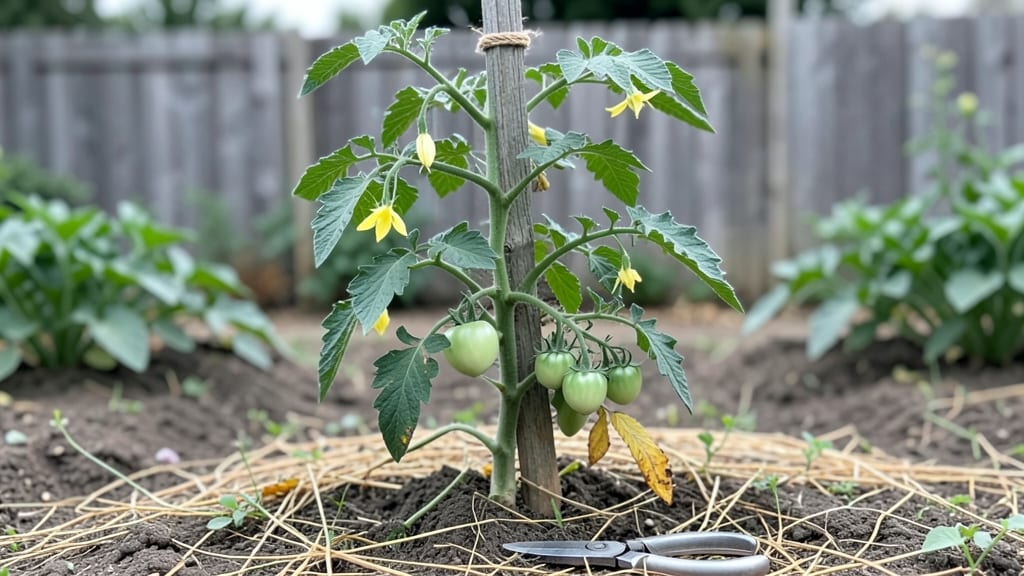
A well pruned tomato plant transforms from a wild, tangled mess into a high-yielding powerhouse that keeps producing until frost. 🌱 I’ve pruned hundreds of tomato plants over the years, and those three strategic cuts make all the difference—more fruit, better airflow, and plants that stay upright even when heavy with tomatoes.
The key is timing and technique. Prune indeterminate varieties (like 'Sungold' or 'Cherokee Purple') weekly once they hit 18 inches tall, pinching off suckers below the first flower cluster.
Determinate types (like 'Roma' or 'Celebrity') need almost no pruning—just remove damaged leaves. Most gardeners overdo it, so focus on keeping the plant’s energy in fruit production, not foliage.
By mid-summer, your pruned plants will be bursting with fruit instead of struggling under their own weight. The first cuts encourage stronger stems, the second opens up the canopy for sunlight, and the third—right before harvest—keeps the plant focused on ripening what’s already there.
You’ll end up with tomatoes longer into fall than you ever thought possible.
Works for both backyard gardens and container growers, though container plants may need slightly more frequent pruning. The same principles apply whether you’re dealing with a single plant or a full row—just adjust the scale. Ready to turn those sprawling vines into productive machines?
📚 In This Guide
- What you need
- Instructions
- Tips and common mistakes
- Wrapping up and next steps
What you need
- ● Tomato plants: Disease-resistant varieties (e.g., Sungold, Beefsteak, or Cherry Roma) – 1–5 plants, depending on space.
- ● Pruning shears: Bypass pruners (sharp, clean, and sterilized with rubbing alcohol to prevent disease).
- ● Gloves: Heavy-duty gardening gloves (to protect from thorns and sap).
- ● Mulch: Organic mulch (straw, shredded leaves, or grass clippings) – 2–3 inches around the base.
- ● Stakes or cages: 6–8 ft tall tomato cages or sturdy bamboo stakes (for support post-pruning).
- ● Compost or fertilizer: Balanced 10-10-10 or organic fertilizer (e.g., worm castings) – 1 tbsp per plant after pruning.
- ● Spray bottle: For neem oil solution (1 tsp neem oil + 1 tsp mild soap per quart of water) to treat cuts.
- ● Garden twine: For securing vines to stakes (if not using cages).
- ○ Pruning sealant (optional): Tree wound pruning paste to protect large cuts (though many gardeners skip this for tomatoes).
- ● Notebook & pen: To track pruning dates and plant progress.
- ● Sunny location: 6–8+ hours of direct sunlight daily.
- ● Well-draining soil: Amend with compost if your soil is heavy or clay-like.
- ● Watering schedule: 1–2 inches per week (adjust for heatwaves).
- ● Patience! Pruning takes 3–4 strategic sessions over the growing season.
Instructions for pruning tomatoes to maximize fruit production
Here’s how to shape your tomato plants for bigger yields and healthier growth—no guesswork, just proven cuts.
✂️ Step 1: Remove Suckers Early for Stronger Stems
Suckers are the small shoots that grow in the V-shaped junction between the main stem and a branch. Pinch these off when they’re 2-3 inches long—they siphon energy from fruit production. Start pruning when plants hit 18-24 inches tall and repeat every 7-10 days until flowering begins.
Use clean, sharp pruners to avoid tearing tissue. I always make the cut just above a leaf node (where new leaves emerge) to encourage branching from that spot. If you miss a sucker, it’ll grow into a weak, shaded stem that produces inferior fruit.
✂️ Step 2: Thin Flower Clusters for Larger Tomatoes
When tomato flowers appear, leave only 3-5 blossoms per cluster—more flowers mean smaller, underdeveloped fruit. Snip excess blooms at the base with your fingers or pruners. This step is critical for heirloom varieties, which need extra energy per tomato.
Watch for clusters forming near the base of the plant—these rarely produce fruit. Remove them entirely to redirect nutrients upward. You’ll notice fruit swelling faster and developing deeper color within 2-3 weeks of this pruning.
✂️ Step 3: Prune Lower Leaves to Improve Airflow
As the plant grows, remove all leaves below the first flower cluster using your fingers or pruners. This prevents soil-borne diseases like blight from splashing onto lower foliage. Repeat this every 2 weeks to maintain a 12-inch gap between the soil and lowest leaves.
Never prune more than 25% of the plant’s foliage at once—this shocks the plant and reduces photosynthesis. You’ll see healthier stems and fewer yellowing leaves after this step, signaling better overall plant vigor.
⏰ Step 4: Adjust Pruning for Late-Season Fruit
After the first harvest wave, switch focus to preserving the plant’s structure. Remove only diseased or yellowing leaves and trim suckers that appear near the top. Stop heavy pruning 4-6 weeks before frost to let remaining flowers set fruit for a late-season harvest.
If your variety is indeterminate (keeps growing), leave 2-3 main stems to support new growth. You’ll extend your harvest by 3-4 weeks with minimal effort—just keep an eye on watering and watch for new suckers.
Tips & tricks for pruning tomatoes like a pro
These game-changing strategies will transform your tomato plants from struggling bushes into high-yielding powerhouses—without sacrificing a single fruit.
The Pruning Schedule: I've found that sticking to the 7-10 day cycle for sucker removal (Step 1) creates a rhythm that actually becomes satisfying. Mark your calendar or set a phone reminder—consistency is key. The 2-week interval for lower leaf pruning (Step 3) works perfectly because it matches the plant's natural growth spurts. Trust me on this: plants that receive regular, predictable pruning develop stronger structural integrity than those pruned sporadically.
Tool Intelligence: While fingers work fine for small jobs, invest in a pair of bypass pruners with a 4-inch blade for larger cuts. The clean cuts prevent disease entry points better than tearing with your hands. I sterilize my pruners between plants using a 10% bleach solution (1 part bleach to 9 parts water), which prevents cross-contamination of fungal spores. For indeterminate varieties, I keep a small pair in my gardening apron pocket for quick sucker removals while harvesting.
Visual Cues for Pruning: When pinching suckers in Step 1, look for the V-shaped junction—that's your target. For flower clusters in Step 2, the ideal 3-5 blossoms should form a compact cluster rather than a sprawling mess. In Step 3, aim to create a 12-inch chimney effect between soil and first leaves—this airflow channel is what prevents blight. I always run my fingers along the stem before pruning to feel for hidden suckers that might have been missed.
Seasonal Adaptation: The 4-6 week rule before frost (Step 4) gives you flexibility based on your climate. In warmer regions, you might extend this to 8 weeks, while colder areas should start protecting plants at 5 weeks. Watch for your specific variety's growth patterns—some indeterminate types can handle light pruning right up to first frost if protected with row covers. The key is maintaining 2-3 main stems for structural support during late-season growth.
Pro Tips for Well Pruned Tomato Plant
- These game-changing strategies will transform your tomato plants from struggling bushes into high-yielding powerhouses—without sacrificing a single fruit.
- The Pruning Schedule: I've found that sticking to the 7-10 day cycle for sucker removal (Step 1) creates a rhythm that actually becomes satisfying.
- Tool Intelligence: While fingers work fine for small jobs, invest in a pair of bypass pruners with a 4-inch blade for larger cuts.
Frequently asked questions
Got questions about pruning your tomato plants for maximum yield? Here are answers to the most common queries to help you grow like a pro!
When is the best time to prune a tomato plant?
Prune indeterminate tomatoes (the vining types) throughout the growing season, starting when they’re 12-18 inches tall. For determinate (bush) varieties, minimal pruning is needed—just remove suckers if desired. Always prune on a dry, sunny morning to reduce disease risk and let wounds heal faster.
How do I know if I’m pruning correctly?
You’re on the right track if you’re removing suckers (the small shoots between the main stem and branches) and lower leaves touching the soil. Keep 3-4 main stems for indeterminate plants and avoid over-pruning—never remove more than 1/3 of the foliage at once. If your plant looks stressed, you’ve pruned too much!
Will pruning reduce my tomato harvest?
Not if done right! Pruning indeterminate tomatoes increases airflow and directs energy to fewer, larger fruit. Determinate varieties may see slightly fewer but bigger tomatoes with light pruning. Over-pruning, however, can stress the plant and lower yields, so follow the 3-stem rule for vining types.
Can I prune tomato plants in hot or cold weather?
Avoid pruning during extreme heat (above 90°F) or cold snaps (below 50°F). Hot weather stresses plants, while cold slows healing. Ideal temps: 60–80°F on a dry day. If you must prune in heat, do it early morning or late evening to minimize shock.
What if my pruned tomato plant stops producing fruit?
Check for these fixes:
Too much pruning? Leave more foliage to photosynthesize.
Nutrient deficiency? Add balanced fertilizer (like 10-10-10) or compost.
Pests/disease? Inspect leaves for damage and treat accordingly.
Overwatering? Let soil dry slightly between waterings.
Most plants bounce back in 1–2 weeks with proper care!Pro Tip:
Use sterilized pruners (wipe with rubbing alcohol) to prevent spreading disease. And save those pruned leaves—compost them!
Wrapping up and next steps
A well-pruned tomato plant isn’t just about aesthetics—it’s your ticket to a bountiful, year-round harvest! 🌱 By mastering the three strategic cuts (suckers, lower leaves, and dead/diseased growth), you’ll boost airflow, direct energy to fruit production, and keep pests at bay.
Remember, consistency is key, but don’t let perfection hold you back—every snip brings you closer to that juicy, vine-ripened tomato you’ve been dreaming of.
Ready to transform your garden? Grab your pruners and start small—prune just one plant this week, then expand your skills. Before you know it, you’ll be the neighbor everyone envies for those perfectly pruned, prolific tomato vines! 🍅✨