
Flowers
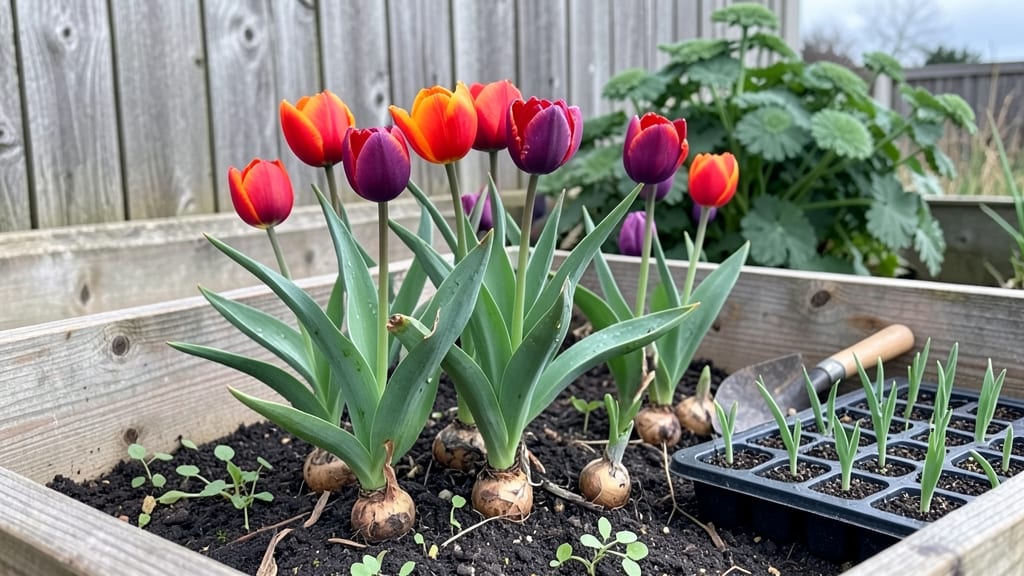
Planting flowers in Philadelphia at the right time means the difference between a burst of color and a sad, frost-nipped garden.
Philadelphia’s unpredictable spring weather can make or break your flower garden—plant too early and risk frost damage, too late and miss peak blooms. Timing is everything for vibrant, long-lasting flowers that thrive in the city’s unique climate.
In Zone 7a, your best window is March through May for spring blooms, but fall planting in August–September gives you a second chance at summer color. The key? Waiting until after the last frost—usually around April 15—when soil warms to at least 60°F.
Below, I’ll break down the exact months to plant your favorites, adjust for Philly’s microclimates, and share the top five flowers that never fail here. No more guessing—just perfect timing for a garden that pops.
Philadelphia’s best flower planting months by season (with frost dates)
Philadelphia’s Zone 7a climate creates a unique growing window for flowers, where spring planting starts as early as March and fall planting extends into September. The city’s last average frost date is April 15, but urban areas often experience microclimates that can delay frost by 1-2 weeks.
Understanding these seasonal cues helps you avoid frost damage while maximizing bloom time.
For annual flowers, timing is critical—plant too early and risk cold snaps, too late and miss peak summer blooms. Perennials and bulbs have different windows: bulbs like tulips and daffodils need fall planting, while hardy perennials like coneflowers can handle early spring soil.
Let’s break it down by month to align with Philadelphia’s growing seasons.
🌱
Urban gardeners in Center City often face warmer microclimates due to concrete heat absorption, allowing for earlier spring planting of heat-loving annuals like geraniums and begonias. In contrast, suburban areas like Chester County can extend fall planting into early October thanks to cooler nights.
Always check your specific last frost date, as it can vary by 1-2 weeks across the city.
For heat-tolerant varieties, consider summer-blooming annuals like celosia or portulaca, which thrive in Philadelphia’s July-August heat. These plants can be sown directly into the garden as late as June 15 and still produce vibrant blooms through September.
Pair them with drought-resistant perennials like lavender or Russian sage to reduce watering demands.
🌿
If you’re planting bulbs for spring blooms, September is your last chance to get them in the ground before soil temperatures drop. Bulbs like tulips and hyacinths need 6-8 weeks of cold stratification to bloom properly.
For perennials, divide and transplant crowded clumps in early spring (March-April) or early fall (September) to encourage healthy regrowth.
🌸
Pro tip: Use mulch in late spring
Top 5 flowers that thrive in Philadelphia’s climate (and when to plant them)
Philadelphia’s Zone 7a climate offers the perfect balance for growing vibrant, hardy flowers that bloom reliably year after year. The key? Choosing native perennials and low-maintenance annuals that handle the city’s humid summers and cool, wet springs.
These top five flowers not only survive Philly’s conditions but thrive with minimal fuss, making them ideal for both beginners and experienced gardeners.
Whether you’re planting in raised beds, containers, or in-ground gardens, timing is critical. Most flowers should be planted after the last frost date (mid-April), but some can handle early spring or even late summer planting.
Let’s dive into the best options and their ideal planting windows to ensure your garden bursts with color all season long.
- Black-Eyed Susans (Rudbeckia hirta) - Plant in early spring (March-April) or late summer (August-September). These sun-loving perennials bloom from mid-summer to fall and attract pollinators. They tolerate poor soil and drought once established.
- Coneflowers (Echinacea purpurea) - Best planted in early spring (March-April). Their deep roots make them drought-resistant and perfect for full sun spots. Blooms appear from summer to early fall.
- Daylilies (Hemerocallis) - Plant in spring (April) or early fall (September). These hardy perennials handle shade to full sun and produce continuous blooms from late spring to summer.
- Bee Balm (Monarda didyma) - Plant in early spring (March-April). Thrives in partial shade and moist soil, making it ideal for Philly’s humid conditions. Blooms from mid-summer to fall and attracts hummingbirds.
- Marigolds (Tagetes spp.) - Direct-sow after last frost (May) or start indoors in March. These annuals love full sun and well-draining soil, blooming from summer to frost.
For Black-Eyed Susans and coneflowers, I recommend planting in early spring to give roots time to establish before summer heat arrives. These native plants also support local ecosystems by providing nectar for bees and food for butterflies.
In my own garden, I’ve found that adding a 2-inch layer of mulch after planting helps retain moisture and suppress weeds.
If you’re working with containers or small spaces, marigolds and daylilies are excellent choices. Marigolds, in particular, repel pests like aphids and nematodes, making them a natural companion plant.
For shady spots, bee balm is a game-changer—it tolerates partial shade and still delivers stunning purple or red blooms.
One pro tip: Always amend your soil with compost before planting perennials. Philly’s clay-heavy soil can be improved with organic matter to ensure better drainage and nutrient availability. For annuals like marigolds, a balanced 10-10-10 fertilizer applied at planting and again mid-season keeps them blooming abundantly.
Don’t forget to water deeply after planting and mulch around the base to lock in moisture. In my experience, morning watering is best—it reduces fungal diseases by allowing foliage to dry quickly.
With these low-maintenance flowers and the right timing, your Philly garden will be a pollinator paradise in no time!