Planting
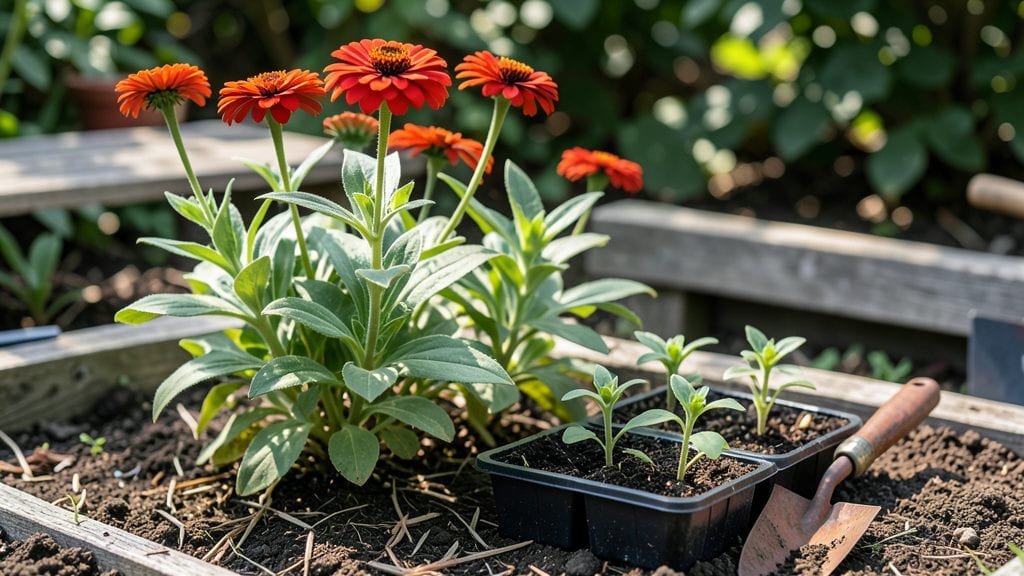
Transform your garden with these zinnia planting tips—the secret to bold, sun-drenched blooms that thrive from summer through frost. 🌻 I’ve learned that the difference between a handful of flowers and a riot of color comes down to soil prep, spacing, and timing—details most gardeners overlook. gardeners skip.
My zinnias now tower over my tomato plants, their petals popping in every shade from fiery orange to deep magenta.
Start with loose, well-draining soil mixed with compost—zinnias hate soggy roots. Plant seeds ¼ inch deep, 6–12 inches apart (closer for dwarf varieties), and keep them moist but not soaked. The key?
Full sun (6+ hours daily) and patience—germination takes 5–10 days, but once those first leaves appear, growth is shockingly fast. By mid-July, you’ll be cutting stems for bouquets that outshine anything from the florist.
📚 In This Guide
- What you need
- Instructions
- Tips and common mistakes
- Wrapping up and next steps
What you need
- ● Zinnia seeds: Choose heirloom or hybrid varieties (e.g., 'Benary’s Giant,' 'Profusion'). Start with 1–2 packets (50–100 seeds) for a small garden or 5+ packets for a full border.
- ● Well-draining potting soil: 1–2 bags (1–2 cubic feet) for seed-starting or 5+ bags (5+ cubic feet) for in-ground planting.
- ● Containers or garden bed: For seedlings: 4–6-inch pots (1–2 per seedling) or biodegradable peat pots (20–50 count).
- ● For transplanting: A sunny garden bed (6+ hours of light/day) or large containers (12+ inches deep) with drainage holes.
- ● Watering can or hose: With a gentle spray nozzle to avoid disturbing seeds.
- ● Garden trowel: For digging small holes (1/4–1/2 inch deep).
- ● Gloves: Lightweight gardening gloves to protect hands.
- ● Plant labels: 20–50 labels (or DIY with popsicle sticks + marker) to track varieties.
- ● Pruning shears: Bypass pruners (for deadheading later).
- ● Seed-starting kit: Includes heat mats (for faster germination) or grow lights.
- ● Compost or fertilizer: Balanced 10-10-10 or fish emulsion (mix 1 tbsp per gallon of water).
- ● Mulch: Straw or shredded leaves (1–2 inches) to retain moisture.
- ● Pest deterrents: Neem oil or row covers (for slugs/snails).
- ● Plant food: Bloom booster (e.g., Miracle-Gro Bloom) for extended flowering.
Step-by-step guide to planting zinnias for stunning summer color
Here's how I grow zinnias that bloom nonstop from early summer until frost—no fancy tricks, just smart timing and care.
🌱 Step 1: Choose the Perfect Planting Spot
Zinnias thrive in full sun, so pick a location that gets at least 6-8 hours of direct sunlight daily. I always check the sunniest spot in my garden first—zinnias will wilt and produce fewer blooms if they're shaded, even slightly. The soil should drain well because soggy roots lead to rot and weak stems.
If your garden soil is heavy clay, mix in 2-3 inches of compost before planting to improve drainage and fertility. Work it into the top 6 inches of soil—this gives roots plenty of room to establish without struggling. I like to plant zinnias in groups of 3-5 plants for a bold, continuous display.
🌱 Step 2: Plant Seeds at the Right Time and Depth
Wait until the soil temperature reaches at least 60°F—zinnias won't germinate well in cooler soil. I test this by pressing my hand into the ground; if it feels warm to the touch, it's ready. Plant seeds ¼ inch deep, spacing them 12-18 inches apart for larger varieties or 6-8 inches apart for dwarf types.
Thin seedlings to the recommended spacing once they develop 2-3 true leaves—this prevents overcrowding and ensures each plant gets enough nutrients. I use a small hand trowel to carefully dig up weaker seedlings and transplant them to another spot in the garden. Water gently after thinning to settle the soil around the remaining plants.
☀️ Step 3: Water and Feed for Continuous Blooms
Water zinnias at the base of the plant early in the morning to reduce evaporation and fungal risks. Aim for 1 inch of water per week, but check the soil—if the top 1 inch feels dry, water again. Avoid wetting the leaves, as this can cause mildew, especially in humid climates.
Feed with a balanced liquid fertilizer (10-10-10) every 2-3 weeks once flowers start appearing. I mix it at half-strength to avoid burning the plants. Deadhead spent blooms regularly by pinching off the faded flowers with your fingers—this encourages more blooms and keeps the plants looking neat. I do this every 2-3 days during peak bloom season.
✂️ Step 4: Prune and Support for Stronger Growth
Pinch back the tips of young zinnias when they reach 6-8 inches tall to encourage bushier growth. This simple step prevents leggy stems and promotes more branches, which means more flowers. Use clean, sharp scissors to make cuts just above a set of leaves—never tear the stems.
Taller varieties may need staking or support, especially in windy areas. I use bamboo stakes or tomato cages inserted gently into the soil beside the plant. Tie the main stems loosely with soft plant ties or old fabric strips to avoid damaging the stems as they grow. Prune back leggy or overcrowded stems in late summer to rejuvenate the plant for a second flush of blooms.
🌿 Step 5: Extend the Season with Simple Care
To keep zinnias blooming until frost, remove any yellow or diseased leaves immediately. This prevents the spread of disease and keeps the plant focused on producing flowers. I also mulch around the base with 1-2 inches of straw or shredded leaves to retain moisture and regulate soil temperature.
If your zinnias start to look tired by late summer, give them a final feeding with a low-nitrogen fertilizer (5-10-10) to boost flower production. Water deeply before the first frost to help the roots store moisture for next year. In colder climates, zinnias won't survive winter, but they self-seed easily—just leave a few plants to go to seed and you'll have new volunteers popping up next spring.
Tips & tricks for perfect zinnia planting
These sun-loving secrets will help you grow zinnias that bloom nonstop all summer long.
Sunlight Secret: I can't stress enough how important those 6-8 hours of direct sunlight really are. If your spot gets less, your zinnias will struggle to produce the vibrant blooms you want. I've seen zinnias in partial shade still bloom, but they're always smaller and less colorful. For the best results, place them where they'll get morning sun and afternoon light—this gives them the energy they need to keep flowering all season.
Soil Temperature Tip: That 60°F soil temperature is non-negotiable for germination. I've learned this the hard way by planting too early in cooler weather. Use a soil thermometer if you're unsure—it's worth the investment. If your soil is too cold, wait it out. Patience here means faster, stronger growth later. I usually plant when my local forecast shows consistent warm days, which is typically late spring in my zone.
Thinning Technique: When thinning seedlings to 2-3 true leaves, I use a small hand trowel to gently lift the weaker plants rather than pulling them. This prevents disturbing the roots of the plants I'm keeping. You can transplant those thinned seedlings to another spot in your garden or share them with fellow gardeners. Just be gentle—zinnias are tough but still delicate at this stage.
Watering Wisdom: The 1 inch of water per week guideline works for most climates, but check the top inch of soil first. In hotter areas, you might need to water more frequently, while cooler climates may need less. I water at the base using a watering can with a narrow spout—this directs water exactly where it's needed without wetting the leaves. Wet foliage is an open invitation to fungal problems, especially in humid weather.
Pro Tips for Zinnia Planting Tips
- These sun-loving secrets will help you grow zinnias that bloom nonstop all summer long.
- Sunlight Secret: I can't stress enough how important those 6-8 hours of direct sunlight really are.
- Soil Temperature Tip: That 60°F soil temperature is non-negotiable for germination.
Frequently asked questions
Got questions about growing zinnias?
You’re not alone! Whether you’re a first-time gardener or a seasoned pro, these sun-loving beauties can still raise a few eyebrows. Here are answers to the most common queries—plus a few pro tips to keep your zinnias thriving all season.
When is the best time to plant zinnias?
Zinnias thrive in warm soil, so wait until after the last frost (typically late spring) when nighttime temps stay above 50°F (10°C). For a longer bloom time, start seeds indoors 6–8 weeks before transplanting or sow directly in the garden once the soil is warm. Pro tip: If you live in a hot climate, you can even plant a second crop in late summer for fall blooms!
How often should I water zinnias?
Zinnias are drought-tolerant once established, but they need consistent moisture during germination and early growth. Water at the base of the plant (not the leaves) 1–2 inches per week, adjusting for rain. Let the soil dry slightly between waterings to prevent rot or powdery mildew. Morning watering is ideal—it gives foliage time to dry before evening.
Why are my zinnias wilting or dropping buds?
Wilting or bud drop usually means underwatering, overheating, or pests. Check for:
- Thrips or aphids (tiny bugs on stems/leaves)
- Overcrowding (zinnias need 12–18 inches of space)
- Fungal issues (yellow spots = powdery mildew; treat with neem oil)
Can I grow zinnias in containers or hanging baskets?
Zinnias adapt well to containers, pots, or baskets as long as the root space is deep enough (at least 6–8 inches). Choose dwarf varieties like ‘Thumbelina’ or ‘Crystal’ for small spaces. Use a well-draining potting mix and a pot with drainage holes. Pro tip: Add a slow-release fertilizer at planting for extra vigor.
What’s the secret to zinnias blooming all season?
Three key factors:
- Deadhead regularly (snip spent blooms to stop seed production)
- Feed lightly with a balanced fertilizer (10-10-10) every 4–6 weeks
- Avoid overwatering (zinnias hate soggy roots)
Wrapping up and next steps
Planting zinnias is a rewarding way to bring vibrant color and joy to your garden! With the right sun-loving location, well-draining soil, and a little patience, you’ll enjoy bold, long-lasting blooms that attract pollinators and brighten up any space.
Whether you’re a beginner or a seasoned gardener, these tips will help you grow stunning zinnias with ease.
Now that you’re armed with the secrets to success, it’s time to grab your gloves and get planting! Start small—try a few varieties in pots or a sunny bed—and watch your garden transform. Happy gardening! 🌸✨