
Pruning
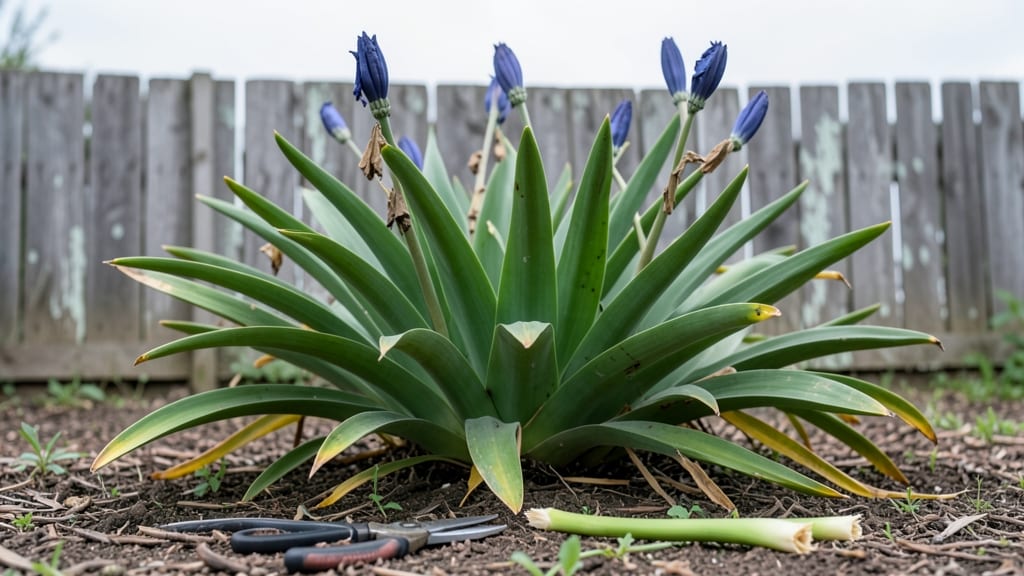
Pruning agapanthus plants transforms them from decent to showstopping—those bold blue blooms keep coming back bigger every year when you know what to cut. 🌿 I used to leave them alone until they looked messy, but after learning the right timing and technique, my clumps now produce three times more flowers than they did before.
The key is deadheading right after blooms fade in late summer, then giving them a clean-up trim in early spring before new growth starts. You’ll need sharp pruners or shears—dull blades tear leaves—and a pair of gloves because agapanthus can be thorny.
This isn’t complicated, but it’s not guesswork either: cut back dead stems to the base, and remove any brown or damaged foliage to keep the plant healthy.
What you’ll get is a plant that looks neat year-round while putting all its energy into blooms instead of seed production. The first year after proper pruning, my agapanthus sent up sturdy new stems by May, and by July, they were covered in buds.
The secret’s in the timing—too early and you stunt growth, too late and you miss the bloom boost.
Works for both in-ground plants and container-grown agapanthus, whether you’re dealing with one clump or a full border. The same rules apply no matter the size—just scale the tools. Ready to turn those floppy stems into a bold, blooming powerhouse?
📚 In This Guide
- What you need
- Instructions
- Tips and common mistakes
- Wrapping up and next steps
What you need
- ● Pruning shears: Bypass pruners (sharp, 5–7" blades) for clean cuts—1 pair (sterilize with rubbing alcohol between cuts).
- ● Garden gloves: Cut-resistant (nitrile or leather) to protect your hands—1 pair.
- ● Disinfectant: 70% isopropyl alcohol or bleach solution (1:9 ratio) to sterilize tools—small spray bottle.
- ● Garden twine or rubber bands: For bundling cuttings if propagating—5–10 ft.
- ● Compost bin or bag: To dispose of pruned debris—1 large bin.
- ● Hand pruners: For smaller stems or tight spaces—1 pair.
- ● Knee pad or stool: For comfort if your Agapanthus is tall—1 unit.
- ● Plant marker or labels: To track pruned sections if experimenting with propagation—5–10 markers.
- ● Slow-release fertilizer: Balanced 10-10-10 or 20-20-20 to feed plants post-pruning—1 small bag.
Step-by-Step instructions for pruning agapanthus plants
Here's my straightforward approach to keep your agapanthus thriving with vibrant blooms every season.
✂️ Step 1: Wait for the Right Time to Prune
Prune your agapanthus right after flowering, when the flower stalks turn brown and crispy. This is usually late summer or early fall, depending on your climate. If you prune too early, you risk cutting off next year's blooms, and if you wait too long, the plant may already be preparing for dormancy.
I like to check the flower stalks weekly in late summer. When they feel dry and brittle to the touch, that's your cue. Grab a handful of stalks—if they crumble easily, it's time to prune. This timing ensures the plant has stored enough energy for next year's growth.
✂️ Step 2: Cut Back the Flower Stalks
Use clean, sharp pruners to cut the flower stalks back to about 2-3 inches above the ground. This removes the spent blooms and redirects the plant's energy toward root and foliage growth for next season. Avoid cutting into the green leaves—they're still photosynthesizing and feeding the plant.
I always make my cuts at a slight angle just above a leaf node or bud. This helps water run off the cut and prevents rot. If your agapanthus has multiple stalks, cut each one individually. You'll notice the plant looks much tidier immediately, but the real magic happens underground as it prepares for winter.
🌱 Step 3: Trim Back Any Dead or Damaged Foliage
After removing the flower stalks, inspect the foliage for any yellowed, brown, or damaged leaves. Use your pruners to trim these back to healthy green growth. This step improves airflow around the plant, reducing the risk of fungal diseases like leaf spot.
I like to work my way around the plant in a circular motion, cutting back any leaves that look less than vibrant. If a leaf is mostly healthy but has a few brown edges, you can leave it—just trim off the damaged parts. The goal is to keep the plant looking its best while encouraging new growth from the base.
🌿 Step 4: Consider Light Pruning in Early Spring
In early spring, before new growth appears, you can give your agapanthus a light trim to shape it or remove any remaining dead foliage. This is optional but helps keep the plant looking neat and encourages fresh, vigorous growth. Avoid heavy pruning in spring, as the plant is just waking up from dormancy.
I usually do this step if the plant looks a bit ragged after winter. A quick once-over with the pruners to tidy up any straggly leaves or stems makes all the difference. You'll see new shoots emerging from the base within a few weeks, signaling that your pruning paid off.
⏰ Step 5: Fertilize and Water After Pruning
After pruning, give your agapanthus a boost by applying a balanced, slow-release fertilizer according to package instructions. This helps replenish nutrients lost during the pruning process. Water the plant deeply 1-2 inches into the soil to encourage root growth and recovery.
I like to water in the morning so the foliage has time to dry out during the day. Overwatering after pruning can stress the plant, so let the top 1-2 inches of soil dry out between waterings. You'll notice new growth within a few weeks, and your agapanthus will be ready to put on a spectacular show next season.
Tips & tricks for pruning agapanthus plants
Here's what I've learned after years of pruning agapanthus—and how to avoid the mistakes I made early on.
Timing is Everything: Don't rush to prune as soon as flowers fade—wait until the stalks are completely brown and crispy, which usually happens in late summer. I learned this the hard way by pruning too early and missing next year's blooms. The plant needs time to transfer nutrients from the flowers to the roots before winter. If you're unsure, do the crumble test: grab a stalk and squeeze—if it feels dry and brittle, it's ready.
The Cutting Technique That Changed Everything: When cutting back those 2-3 inches above ground in Step 2, make sure to cut at a slight angle just above a leaf node or bud. This small detail prevents water from pooling on the cut and causing rot. I used to cut straight across, and some of my plants developed brown spots at the base. A clean cut also helps the plant heal faster and directs new growth upward. Use sharp pruners—dull blades can crush stems and invite disease.
Spring Pruning Strategy: That optional early spring trim in Step 4 is your chance to tidy up without stressing the plant. I only do this if I see ragged leaves from winter, but never cut into healthy green growth. Think of it as a light grooming session—just enough to shape the plant without disturbing its energy reserves. If you notice new shoots emerging, stop pruning immediately to protect those tender growth points.
Post-Pruning Care: After you've finished pruning, don't just walk away! The 1-2 inches of deep watering in Step 5 is crucial for recovery. I've seen plants wilt after pruning when gardeners forget this step. Water in the morning so foliage dries quickly, preventing fungal issues. And here's a pro tip: spread a 2-inch layer of mulch around the base after watering—it helps retain moisture and regulates soil temperature.
Pro Tips for Agapanthus Plants Pruning
- Here's what I've learned after years of pruning agapanthus—and how to avoid the mistakes I made early on.
- Timing is Everything: Don't rush to prune as soon as flowers fade—wait until the stalks are completely brown and crispy, which usually happens in late summer.
- The Cutting Technique That Changed Everything: When cutting back those 2-3 inches above ground in Step 2, make sure to cut at a slight angle just above a leaf node or bud.
Frequently asked questions
Got questions about pruning agapanthus?
You’re not alone! Here are answers to the most common concerns—so you can keep your plants thriving with confidence.
When is the best time to prune agapanthus?
Prune agapanthus after flowering (late summer to early fall) to remove spent blooms and encourage new growth. Avoid pruning in winter or early spring, as this can harm emerging buds. For hard pruning (cutting back to the ground), wait until spring after the last frost.
Do I need to cut agapanthus all the way to the ground?
No—unless your plant is overgrown or leggy. A light trim (deadheading spent flowers) is enough for most agapanthus. Only cut to the ground if the foliage is yellow, damaged, or crowded. This rejuvenates the plant but should be done sparingly (every 2–3 years max).
What if I prune at the wrong time?
Pruning too early (before flowering) removes next year’s blooms. Late pruning (winter) can expose tender growth to frost. If you accidentally prune at the wrong time, don’t panic—agapanthus are resilient! Just adjust your timing next season and focus on watering and mulching to help recovery.
Will pruning make my agapanthus bloom more?
Yes!
Deadheading spent flowers redirects energy to new growth and bigger blooms next season. For a bold display, pair pruning with fertilizing in spring (use a balanced, low-nitrogen fertilizer). Over time, you’ll see healthier stems and larger flower clusters.
Can I prune agapanthus in pots?
Potted agapanthus follow the same rules: deadhead after blooming and trim lightly in spring if needed. Since they have limited root space, avoid heavy pruning—it stresses the plant. Instead, repot every 2–3 years to refresh soil and encourage growth.
Wrapping up and next steps
Pruning your agapanthus isn’t just about tidying up—it’s the secret to showstopping blooms year after year! By deadheading spent flowers and trimming back old growth, you’re setting the stage for bigger, brighter blooms and a healthier plant.
Whether you’re a seasoned gardener or just starting, these simple steps will keep your agapanthus thriving and stunning.
Ready to transform your garden? Grab your pruners and give your agapanthus the care it deserves—your future blooms will thank you! 🌸 Next, check out our guide on fertilizing for maximum impact.