
Plants
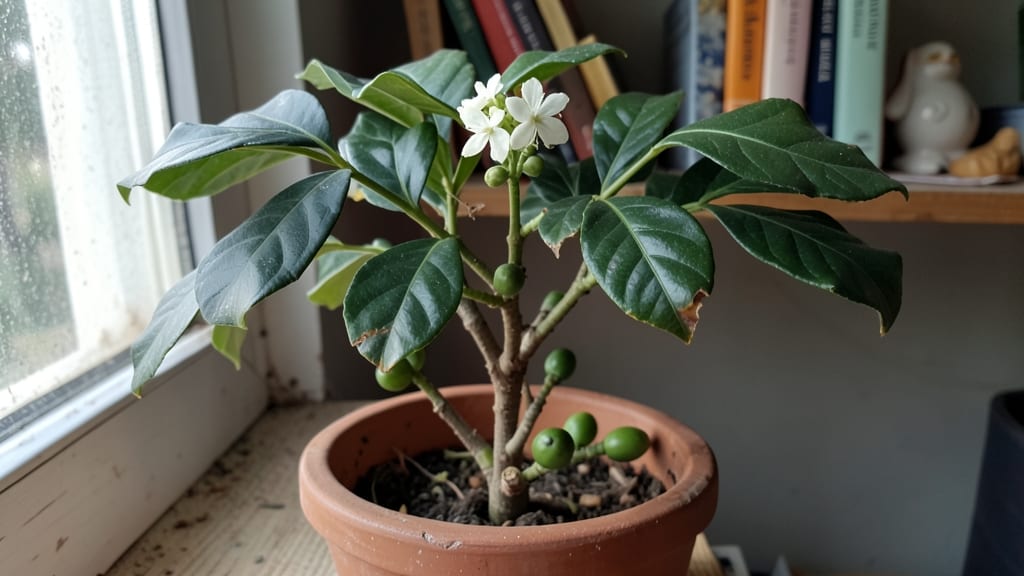
Excessive caffeine exposure stunts caffeine plant growth by disrupting nutrient uptake and root development, while also speeding up wilting. While moderate amounts can deter pests naturally, overapplication damages photosynthesis and delays flowering. Always dilute caffeine sources before applying to soil or leaves.
Caffeine's impact on plants isn't just about overuse—it's about how plants metabolize it. 🌱 High concentrations interfere with nutrient transport systems, essentially starving roots of essential minerals like nitrogen and potassium.
Even ornamental plants like ferns or coleus show stress symptoms like yellowing leaves when exposed to concentrated caffeine sources like coffee grounds. The key is understanding your plant's tolerance: while coffee-loving plants like Arabica thrive with caffeine, most houseplants need diluted solutions (think 1:10 ratio) to avoid harm.
Interestingly, caffeine's pest-repelling properties come from its bitter taste, which deters chewing insects like slugs and aphids. A 1 tablespoon of instant coffee dissolved in 1 quart of water makes an effective spray for garden pests—just avoid spraying on flowering plants, as the chemical can disrupt pollination.
For indoor plants, I've found that lightly rubbing coffee grounds around the soil's edge keeps fungus gnats away without harming the plant itself.
💡 In This Article
- How Caffeine Disrupts Plant Physiology
- Safe Caffeine Applications for Garden Pests
How caffeine disrupts plant physiology
Caffeine interferes with plant growth at a cellular level by disrupting key biochemical pathways. It mimics natural plant hormones like auxins, which regulate root development and cell elongation.
When caffeine concentrations exceed 0.1% in soil, it binds to plant receptors meant for growth hormones, causing roots to become stunted and brittle. The disruption extends to nutrient transporters in roots, reducing their ability to absorb nitrogen and phosphorus—critical for energy production and DNA synthesis.
The damage isn't limited to roots. Caffeine accelerates oxidative stress by generating reactive oxygen species (ROS) in leaf tissues, similar to how UV radiation damages skin. This causes chlorophyll to degrade faster, turning leaves yellow (chlorosis) within 3-5 days of exposure.
The stomata—tiny pores that regulate gas exchange—also malfunction, either closing prematurely (reducing CO₂ intake) or staying open excessively (leading to water loss). In sensitive plants like marigolds, this dual effect creates a vicious cycle of dehydration and nutrient starvation.
Plant families respond differently due to evolutionary adaptations. Coffee plants (Rubiaceae) have developed caffeine tolerance, using it as a natural herbicide against competing weeds. Their roots contain enzymes that break down caffeine efficiently.
In contrast, ornamental plants like petunias or impatiens lack these enzymes, making them vulnerable to even diluted caffeine solutions (1:20 ratio). The toxicity threshold varies wildly: coffee plants thrive with 500-1000 ppm caffeine in soil, while most vegetables wilt at 50 ppm.
Here's what's happening at the molecular level: caffeine's chemical structure (1,3,7-trimethylxanthine) disrupts adenosine receptors in plant cells, which normally help regulate stress responses. Without proper adenosine signaling, plants can't trigger protective mechanisms like antioxidant production or stomatal closure.
The result? A plant that's essentially "confused" about when to conserve water or nutrients, leading to wilting and stunted growth even with adequate sunlight and water.
Visual symptoms provide early warnings. Look for crispy leaf edges, purple stems (a phosphorus deficiency sign), or slow flower bud formation. The most sensitive stage is seedling development, where caffeine exposure can reduce germination rates by up to 40%.
Even mature plants show signs: coffee plants may produce bitter-tasting beans, while tomatoes develop blossom-end rot due to calcium uptake disruption.
What most people don't realize is that caffeine's impact isn't just about concentration—it's about application method. Foliar sprays (directly on leaves) cause faster damage than soil applications because caffeine enters through stomata immediately.
For comparison, a 1 tablespoon of instant coffee in 1 gallon of water (≈0.05% caffeine) is safe for pest control on roses but would harm basil plants. The key is matching the caffeine dose to the plant's evolutionary history with the compound.
For gardeners, this means treating caffeine like a double-edged sword: useful in small doses for pest control, but toxic at higher concentrations. The science shows that moderation and plant-specific knowledge are crucial—what helps your coffee bushes thrive could kill your houseplants next door. 🌱