
Diseases
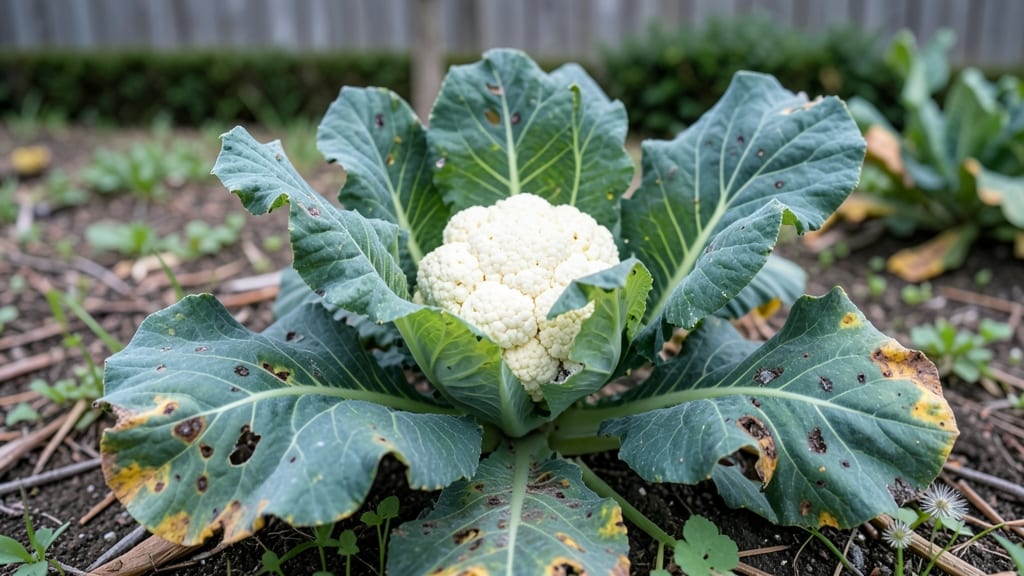
Cauliflower plant diseases like clubroot and black rot can turn your lush heads into sad, stunted messes if you don’t catch them early. 🌱 I’ve seen firsthand how a single infected plant can ruin an entire crop—until I learned the warning signs and quick fixes that actually work.
The key isn’t just sprays; it’s soil prep, spacing, and picking the right varieties to begin with.
Most fungal threats thrive in damp, crowded conditions, so proper airflow and rotation are your first line of defense. I switched to raised beds with sterile mix and noticed fewer issues right away.
Organic options like copper sprays or neem oil work well for mild cases, but severe clubroot might need a soil drench with hydrogen peroxide—just don’t overdo it.
You’ll spot early signs in the leaves—yellowing, wilting, or those telltale black streaks—before the heads even form. Catching it then means you can save the plant with targeted treatments.
Resistant varieties like ‘Purple of Sicily’ or ‘Snowball Y Improved’ cut risks by half, and a simple soil test before planting reveals hidden pH problems.
This isn’t about panic—it’s about prevention. With the right mix of variety selection, soil care, and quick action, you’ll keep your cauliflower patch thriving season after season. Let’s get into the specifics that actually stop these diseases in their tracks.
Root Causes Of Cauliflower Problems
Cauliflower plants, like all vegetables, are vulnerable to diseases—but understanding why these issues arise is the first step to prevention. Fungal infections, bacterial rot, and viral attacks don’t happen randomly; they thrive when specific conditions align.
Below, we break down the key factors that create the perfect storm for cauliflower plant diseases.
Cauliflower thrives in open spaces, but when plants are too close together, humidity lingers, and leaves stay damp longer. Fungal spores like those causing downy mildew or powdery mildew love this environment. Poor airflow also prevents leaves from drying quickly after rain or watering, creating a breeding ground for pathogens.
💡 Pro Tip: Space plants 18–24 inches apart and prune lower leaves to improve circulation. If growing in containers, ensure they’re not packed tightly.
Cauliflower roots need moisture, but standing water is a disaster. Overwatering, heavy clay soil, or containers without drainage holes create soggy conditions that invite root rot (often caused by Phytophthora or Pythium fungi). Even well-draining soil can become problematic if water isn’t managed properly.
🔥 Watch For:
- Yellowing leaves (early sign of root stress)
- Mushy stems or blackened roots (advanced rot)
- Slow wilting despite adequate water (fungal clogging roots)
✨ Fix It: Test soil moisture with your finger—water only when the top 1–2 inches are dry. Use raised beds or containers with drainage holes if your garden retains too much water.
Cauliflower prefers cool weather (55–75°F), but extreme heat or sudden temperature drops weaken plants, making them stress-prone. High humidity (above 70%) combined with warm nights creates ideal conditions for Alternaria leaf spot or black rot. Cold, wet springs also encourage clubroot (a soil-borne fungal disease).
📊 Key Triggers:
Condition
Disease Risk
Hot, humid days (80°F+)
Downy mildew, powdery mildew
Cold, wet soil (below 50°F)
Clubroot, root rot
Rapid temperature shifts
Weakened immunity, bacterial infections
🎯 Prevent It: Choose disease-resistant varieties (like ‘Snowball Y Improved’), mulch to stabilize soil temps, and avoid overhead watering in heatwaves.
Fungal spores and bacterial pathogens can survive for years in soil, especially if previous crops (like cabbage or Brussels sprouts) were infected. Even gardening tools, stakes, or trellises can harbor diseases like blackleg (Leptosphaeria maculans) if not sterilized between uses.
🔪 How It Spreads:
- Reusing infected plant debris as mulch
- Sharing tools between diseased and healthy plants
- Planting in the same spot year after year without rotation
🌡️ Solution: Rotate crops annually, sterilize tools with a 1:10 bleach-water solution, and solarize soil in late summer (cover with clear plastic for 4–6 weeks to kill pathogens).
Cauliflower isn’t just attacked by diseases—pests like aphids, cabbage worms, and flea beetles create entry points for infections. These insects damage leaves, allowing water to pool in wounds and fungi/bacteria to invade. For example, cabbage maggots tunneling into stems can lead to secondary infections like black rot.
👨🍳 Break the Cycle:
- Use row covers early in the season to block pests
- Apply neem oil or insecticidal soap at the first sign of pests
- Encourage beneficial insects (ladybugs, lacewings) to control outbreaks
Fixing Fungal Foes in Cauliflower
Fungal diseases can turn your thriving cauliflower patch into a sad, yellowing mess—but don’t despair! With the right approach, you can save your plants, restore health, and prevent future outbreaks.
Below, we map common fungal threats to practical, step-by-step fixes, plus prevention tips to keep your cauliflower strong. Let’s roll up our sleeves and get growing!
🔥 Fix It Fast – Remove and Replace
- 🔪 Dig Out Infected Plants
- Pull up
- Do NOT compost them—fungal spores can survive. Bag and throw them away or burn them.
- 🌱 Rotate Crops for 3+ Years
- Club root thrives in the same soil for years. Plant
- 💡 Boost Soil pH (Temporarily)
- Club root loves acidic soil.
- Test first! Use a soil pH kit to monitor levels.
- 🛡️ Resistant Varieties
- Next season, choose club root-resistant cauliflower varieties like ‘Polar’ or ‘Snowball Y Improved.’
💡 Prevention Pro Tip 💡
- Avoid over-fertilizing with nitrogen—it weakens roots and makes plants more susceptible. Use a balanced 10-10-10 fertilizer instead.
🍳 Fungal Fumigation – Spray & Spray Again
- 🌿 Prune for Airflow
- Remove
- 💦 Early Morning Sprays (The Secret Weapon)
- At the
- Copper fungicide (follow label rates).
- Reapply every 5–7 days until symptoms vanish.
- 🌞 Avoid Overhead Watering
- Water
💡 Prevention Pro Tip 💡
- Plant mildew-resistant varieties like ‘Snowball 80’ or ‘Purple of Sicily.’ Interplant with marigolds—they repel pests that stress plants (and invite mildew).
👨🍳 The Nuclear Option – Sterilize & Start Fresh
- 🔥 Destroy All Infected Plants
- Black rot spreads
- 🧼 Sterilize Tools & Hands
- Clean
- 🌱 Use Disease-Free Seeds
- Buy
- 🛡️ Copper Sprays (Last Resort)
- If caught early, spray
💡 Prevention Pro Tip 💡
- Rotate crops—don’t plant brassicas in the same spot for 4+ years.
- Avoid wounding leaves (rough handling spreads bacteria).
🥘 The ‘No-Fungus Zone’ Strategy
- 🌿 Space Plants Wide
- White mold thrives in
- 🌡️ Heat Treatment (For Soil)
- Solarize soil in
- 🍄 Biological Controls
- Apply
- 🛡️ Mulch Smartly
- Use
💡 Prevention Pro Tip 💡
- Plant in raised beds—they drain better and reduce humidity near the ground.
Keep these ready to deploy when symptoms strike:
| Problem | Quick Fix | Prevention |
|---|---|---|
| Yellowing leaves | Neem oil spray (1 tbsp/gal water) | Crop rotation + compost tea |
| Powdery white dust | Baking soda spray (weekly) | Reflector screens to reduce humidity |
| Wilting | Hydrogen peroxide (1 tsp/gal water) | Drip irrigation (no overhead water) |
🎯 Final Victory Lap ✨ Fungal diseases are manageable—but the key is speed and prevention. Act at the first sign, sterilize tools, and keep your garden healthy with smart spacing, airflow, and resistant varieties.
Your cauliflower will thank you with tight, creamy heads and zero fungal drama!
💡 Bonus Tip 💡
- Harvest early if disease pressure is high—smaller heads are easier to save than giant, infected ones!
Frequently asked questions
What are the most common cauliflower diseases I should watch for?
Look for clubroot (swollen, gnarled roots), black rot (V-shaped yellow leaf edges), and downy mildew (grayish fuzz on undersides). Powdery mildew (white dust) and Alternaria leaf spot (dark brown spots) are also frequent culprits. Early detection is key—catch these before they spread!
Can I save a cauliflower plant already showing disease symptoms?
It depends! For clubroot, removal is often the only option—don’t compost infected plants. With mildew, prune affected leaves and apply copper fungicide or a baking soda spray. Black rot is usually fatal, so remove and sterilize tools immediately. Always act fast to prevent spread!
How do I prevent fungal diseases in my cauliflower patch?
Start with disease-resistant varieties like 'Snowball Y Improved'. Space plants 18-24 inches apart for airflow, water at the base in the morning, and avoid overhead sprinklers. Rotate crops annually and test soil pH—clubroot thrives in acidic conditions. Mulch with straw to keep soil dry but not soggy.
Is it safe to use homemade sprays for cauliflower diseases?
Yes! A baking soda spray (1 tsp baking soda + 1 tbsp oil + 1 tsp soap per gallon) works well for mildew. For bacterial issues, try hydrogen peroxide (1 tsp per gallon). Always test sprays on a small area first. For severe cases, commercial copper fungicides are more effective but follow label instructions carefully.
How long do fungal spores survive in my garden soil?
Many fungal spores can persist for years—clubroot spores may survive 10+ years in infected soil. Black rot can live in plant debris for 2-3 years. Solarize your soil (cover with clear plastic for 4-6 weeks in summer) or practice 3-year crop rotation to break the cycle. Sterilizing tools between plants also helps prevent spread.